
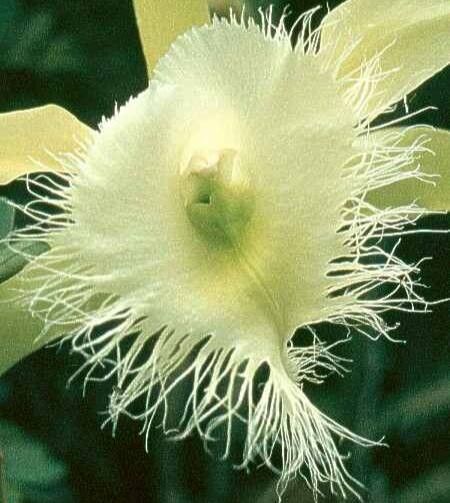
The Art of Multiplying Majesty: Propagating Rhyncholaelia digbyana
The Rhyncholaelia digbyana, with its fragrant, ethereal blooms and striking, ruffled petals, is a true gem in the orchid world. But have you ever considered expanding your collection of these beauties? Thankfully, propagating Rhyncholaelia digbyana isn’t as daunting as you might think. This post will guide you through the basics of multiplying your own majestic orchids.
Understanding the Basics: Why and How?
Rhyncholaelia digbyana, like many orchids, can be propagated through two primary methods: seed germination and division.
-
Seed Germination: This is the most intricate method, mimicking the natural process of orchid reproduction. Seeds are painstakingly sown in a sterile medium and nurtured under specific conditions. While rewarding, this method is best left to experienced orchid enthusiasts due to the demanding requirements.
- Division: This is the most common and accessible method, utilizing the established plant’s growth potential. Rhyncholaelia digbyana naturally forms a “pseudobulb chain,” which can be carefully divided, ideally when new growths are developing.
Division: A Hands-on Approach to Growth
Here’s a step-by-step guide to dividing your Rhyncholaelia digbyana:
-
Choose the Right Time: The optimal time for division is after flowering when new growths are actively forming. This allows for a smooth transition for both the parent plant and the newly divided sections.
-
Preparation: Sterilize your tools (scissors, shears, or knife) with rubbing alcohol and ensure the surrounding environment is clean. Wear gloves to protect your hands.
-
Divide the Chain: Locate the chain of pseudobulbs, ideally with at least 3 pseudobulbs per section for successful growth. Gently separate the pseudobulbs at the base of the oldest pseudobulb in the chosen chain.
-
Prepare for Planting: Secure each newly divided section in a pot with a well-draining orchid potting mix.
- Care and Attention: Keep the divided plants in a humid environment with bright indirect light. Water regularly, allowing the potting mix to dry slightly between waterings. Be patient; new growth may take several weeks to appear.
Important Notes:
- When dividing, always ensure each section has healthy roots and at least one new growth.
- Avoid over-watering newly divided plants.
- Be attentive to the plant’s needs, adjusting watering and light exposure accordingly.
Sharing the Majesty: The Rewards of Propagation
Successful propagation of Rhyncholaelia digbyana is a rewarding experience. You’ll be able to share the beauty of these orchids with others or add to your personal collection. Plus, the process itself offers a deeper connection to the intricate world of orchids, enhancing your appreciation for these captivating plants.