
White Beaksedge: Bringing a Touch of Bog Beauty Home Through Propagation
The world of plants is full of hidden wonders, and Rhynchospora alba, commonly known as White Beaksedge, is no exception. This delicate, captivating sedge, with its distinctive white-tipped seed clusters, brings a unique charm to any landscape. While naturally found in bogs and wetlands, you might be surprised to learn that introducing White Beaksedge to your own garden is achievable through various propagation methods.
Understanding White Beaksedge:
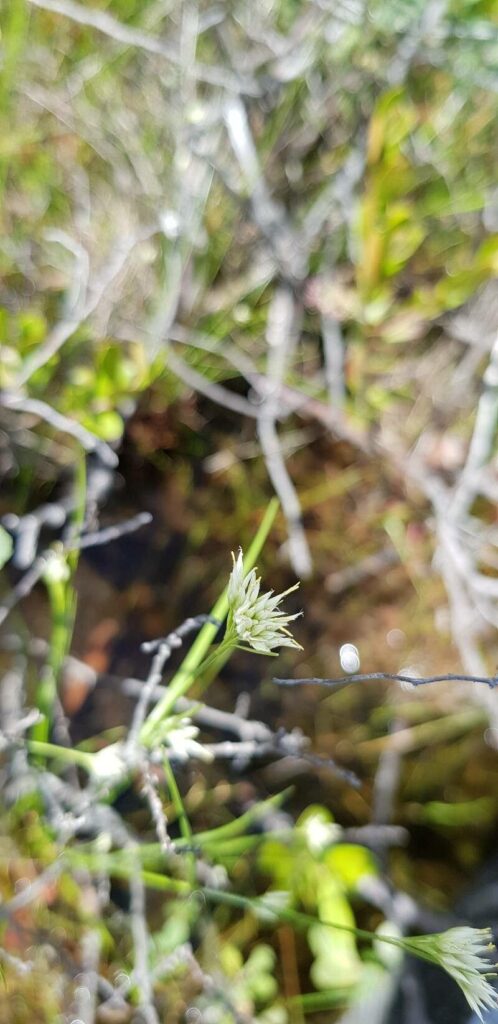
Before diving into propagation, it’s essential to appreciate this plant’s unique characteristics. White Beaksedge is a perennial sedge, typically reaching a height of 1 to 2 feet. Its slender stems boast fine, bright green leaves, but the real showstopper is the inflorescence – clusters of tiny white flowers arranged like a starburst. These “flowers” mature into beaked seeds, giving the plant its common name.
Propagation Methods for White Beaksedge:
-
- Collecting Seeds: The best time to collect seeds is in late summer or early fall when the seed heads turn a light brown. Simply snip off the seed heads and allow them to dry thoroughly in a paper bag.
- Sowing Seeds: White Beaksedge seeds require cold stratification to germinate. You can sow them directly into your garden in the fall, allowing them to experience the natural winter chill. Alternatively, cold stratify them indoors for 6-8 weeks before sowing in early spring.
- Germination: Be patient! White Beaksedge seeds can be slow to germinate, sometimes taking several weeks or even months.
- Division:
- When to Divide: Spring is the ideal time to divide established White Beaksedge clumps.
- How to Divide: Carefully dig up a clump and gently separate it into smaller sections, ensuring each division has a healthy root system and several shoots.
- Transplanting: Replant the divisions immediately at the same depth they were previously growing.
Creating the Perfect Home for Your White Beaksedge:
White Beaksedge thrives in consistently moist to wet soils and prefers slightly acidic conditions. If your garden lacks naturally boggy areas, consider these tips:
- Location: Choose a spot that receives full sun to partial shade.
- Soil Amendment: Amend your soil with peat moss and compost to increase acidity and moisture retention.
- Watering: Water regularly, especially during dry spells, to maintain consistent soil moisture.
- Container Gardening: White Beaksedge adapts well to container gardening. Just be sure to use a well-draining potting mix and keep it consistently moist.
Adding a Touch of Unique Beauty:
While propagating White Beaksedge requires some patience, the reward is well worth the effort. With its delicate beauty and intriguing texture, it adds a touch of the wild to gardens, ponds, and water features. Whether you choose to sow its tiny seeds or divide existing clumps, you’ll be playing a part in bringing a bit of bog magic into your own backyard.