
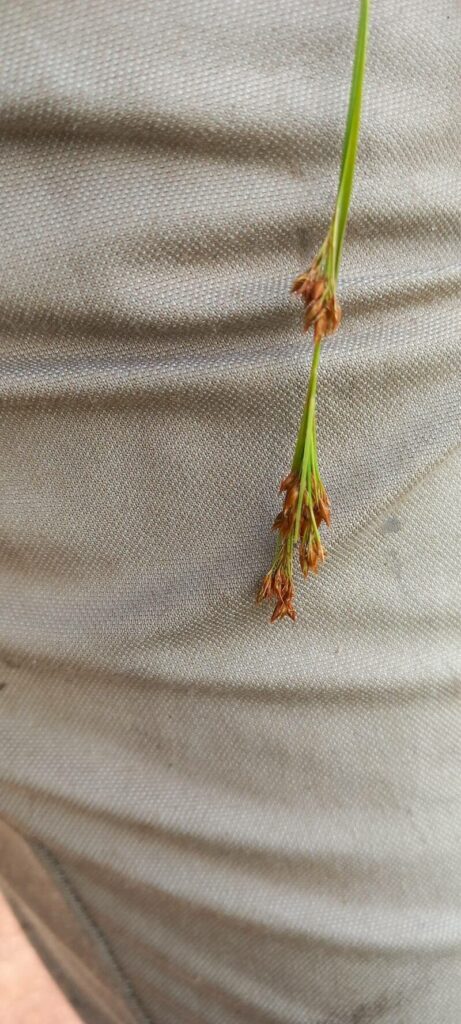
Taming the Beauty: Propagating the Wrinkled Beak-sedge (Rhynchospora Rugosa)
The Wrinkled Beak-sedge (Rhynchospora rugosa) isn’t a household name like roses or lilies, but for plant enthusiasts looking for unique textural elements in their gardens, it’s a hidden gem. This North American native, with its intriguing spiky blooms and relatively low maintenance requirements, can bring a touch of wild elegance to various garden settings. Ready to invite this beauty into your own outdoor space? Let’s dive into the world of propagating Rhynchospora rugosa.
Understanding the Plant
Before we get our hands dirty, it’s helpful to understand a bit about what we’re working with. Rhynchospora rugosa, often called Beaked Rush, thrives in moist, acidic soils and full sun to partial shade. You’ll often find it naturally occurring in bogs, wet meadows, and along stream banks. Knowing its preferences provides clues for successful propagation.
Methods for Success
-
Seed Propagation: Wrinkled Beak-sedge produces small seeds within its characteristic beaked flower heads.
- Collecting Seeds: Harvest seed heads in the late summer or early fall when they turn brown and dry.
- Sowing: Sow seeds directly into a moistened mix of peat moss and sand. Surface sow, as light aids in germination.
- Patience is Key: Germination can take anywhere from a few weeks to a couple of months. Keep the seed tray consistently moist and in a brightly lit area.
-
Division: For more immediate gratification and to ensure plants true to type, division is the preferred method.
- Timing is Everything: Early spring, just as new growth appears, is the ideal time to divide established clumps.
- Divide and Conquer: Carefully dig up a healthy clump, ensuring you get a good root mass. Using a sharp, clean knife or spade, divide the clump into smaller sections, each with a healthy portion of roots and shoots.
- Re-planting: Plant the divisions at the same depth they were growing originally. Water thoroughly and keep the soil consistently moist.
Caring for Your New Propagations
Once you’ve successfully propagated your Wrinkled Beak-sedge, give it the care it needs to thrive:
- Moisture is Crucial: Remember its natural habitat! Regular watering is essential, especially during the first year after planting or division. Consider adding a layer of mulch to help retain moisture.
- Sun and Shade Balance: While it tolerates partial shade, Rhynchospora rugosa truly shines in full sun, producing more robust growth and abundant blooms.
- Feeding for Healthy Growth: A slow-release fertilizer specifically formulated for wetland plants can be beneficial, applied in spring.
Adding Beauty and Wildlife Value
Beyond its own aesthetic appeal, Rhynchospora rugosa plays a valuable role in supporting biodiversity. It provides shelter for small wildlife and attracts beneficial insects. The seed heads offer food for birds.
Propagating your own Rhynchospora rugosa might seem a bit unusual at first, but the process is relatively straightforward. By following these simple guidelines, you’ll be well on your way to enjoying the unique beauty of this captivating sedge in your own garden for years to come.