
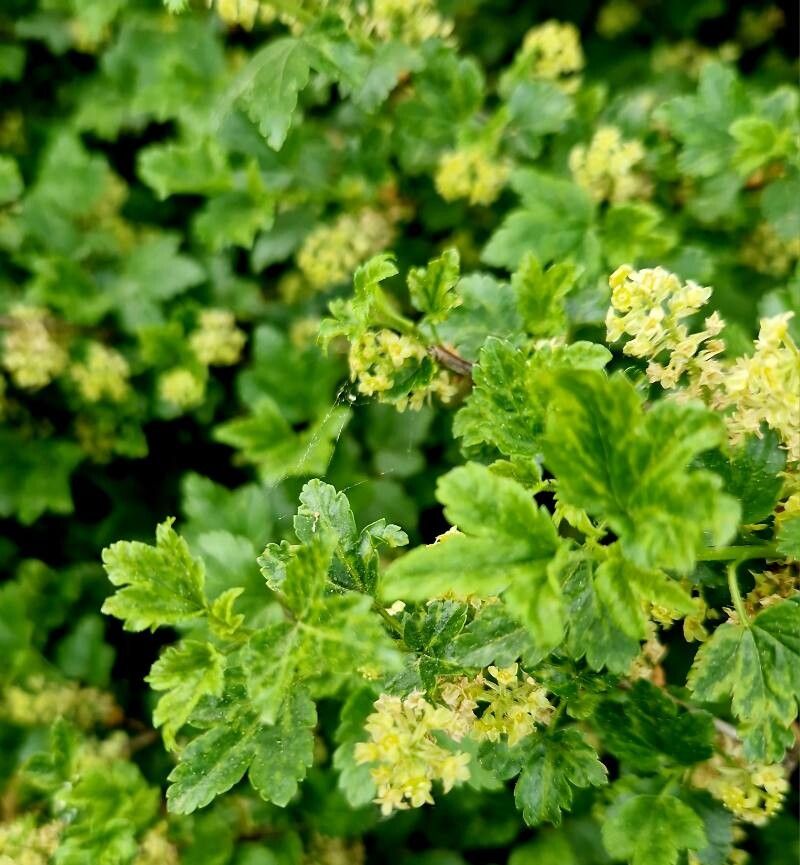
Unleash Your Inner Gardener: Propagating Ribes Alpinum for a Bountiful Hedge
The Ribes alpinum, also known as the alpine currant, is a favorite among gardeners looking for an attractive, low-maintenance hedge. This hardy deciduous shrub, with its vibrant green foliage and charming spring flowers, can be a stunning addition to any landscape. But did you know that propagating your own Ribes alpinum is easier than you think?
Forget expensive trips to the nursery; with a little patience and the right techniques, you can multiply your Ribes alpinum and create a lush green haven right in your backyard. Let’s explore two common and effective propagation methods:
1. Hardwood Cuttings: A Step towards Cloning Success
Think of hardwood cuttings as mini-me clones of your parent plant. This method harnesses the plant’s innate ability to regenerate, and the fall season provides the perfect window of opportunity.
What you’ll need:
- Sharp pruning shears or secateurs: Clean cuts are crucial to prevent disease.
- Rooting hormone powder: This gives your cuttings a head start on root development.
- Seed trays or pots: Choose containers with good drainage.
- Suitable potting mix: A blend of peat moss and perlite works well.
Let’s get started:
- Timing is key: Wait until late fall, after your Ribes alpinum has entered dormancy and the leaves have fallen.
- Select healthy stems: Choose pencil-thick branches, ideally from the current year’s growth.
- Make the cut: Cut a 6-8 inch section, making the bottom cut just below a leaf node (the bump where leaves emerge) and the top cut about an inch above a node. Remove any leaves from the lower portion.
- Hormone boost: Dip the bottom inch of each cutting in rooting hormone powder.
- Plant your cuttings: Insert them into the potting mix, ensuring at least two nodes are buried. Water gently.
- Patience is a virtue: Place your cuttings in a sheltered location, protected from harsh winter conditions.
- Spring surprise: Come spring, you should see new growth, indicating successful rooting.
2. Layering: A Grounded Approach to Propagation
Layering is another easy technique, mimicking how runners naturally sprout roots in the wild. It involves encouraging a branch to develop roots while still attached to the parent plant.
What you’ll need:
- Sharp knife or pruners
- Small stone or garden staple
- Suitable potting mix
Let’s get started:
- Choose a flexible branch: Select a low-growing, healthy branch.
- Wound the branch: Lightly wound the underside of the branch with a shallow cut or scrape to encourage root development.
- Prepare the soil: Dig a small trench near the parent plant and fill it with your potting mix.
- Bury the branch: Bend the wounded portion of the branch down and secure it in the trench using a stone or garden staple. Ensure the leaves at the tip of the branch remain above the soil.
- Keep it moist: Water the layered branch regularly.
- Patience, once again: It might take several months for roots to establish. Once new growth appears, sever the layered branch from the parent plant.
Reap the Rewards of Your Labor
Now that you’ve mastered these propagation techniques, you can create a flourishing Ribes alpinum hedge without breaking the bank. Imagine, years down the line, admiring your lush green hedge, a testament to your patience and green thumb. It’s a truly rewarding experience, and it all starts with a cutting, a layer, and a little love.