
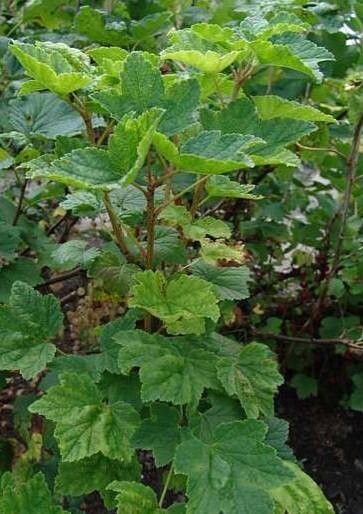
Spreading the Skunk Currant Love: A Guide to Propagating Ribes glandulosum
Ribes glandulosum, more commonly known as Skunk Currant or Sticky Currant, might not have the most appealing name (who wants a smelly currant?), but don’t let that deter you! This North American native, boasting beautiful cascading flowers and vibrant fall foliage, deserves a spot in your garden. And the best part? It’s surprisingly easy to propagate, allowing you to multiply your Skunk Currant joy – without the skunky scent, we promise!
This guide will take you through the two most common propagation methods:
1. Propagating Skunk Currant from Cuttings:
Taking cuttings is a highly effective way to propagate Ribes glandulosum, yielding quick results and preserving the parent plant’s characteristics.
When to take cuttings:
The optimal time is late spring or early summer when the plant is actively growing, and the stems are semi-hardwood. This means the stems are mature but still flexible and haven’t turned completely woody.
How to take cuttings:
- Select healthy, non-flowering stems: Choose stems that are about 4-6 inches long and show vigorous growth.
- Make a clean cut: Using sharp, sterilized pruning shears, cut just below a leaf node (the point where the leaf joins the stem) at a 45-degree angle.
- Prepare the cutting: Remove the lower leaves, leaving 2-3 leaves at the top. If the remaining leaves are large, cut them in half horizontally to reduce moisture loss.
- Hormone treatment (optional): While not mandatory, dipping the cut end in rooting hormone can encourage faster and more successful root development.
- Planting: Plant the cuttings in a pot filled with a well-draining potting mix (a mixture of peat moss, perlite, and vermiculite works well). Bury the bottom node or two of the cutting in the mix.
- Creating a humid environment: Cover the pot with a clear plastic bag or use a propagation dome to retain moisture and humidity. Place the pot in a bright location but out of direct sunlight.
- Watering: Keep the soil consistently moist but not waterlogged. Mist the cuttings regularly to maintain humidity.
- Rooting: In about 4-6 weeks, your cuttings should develop roots, and new growth will emerge. Once the roots are established, you can transplant them to individual pots.
2. Propagating Skunk Currant from Seed:
Propagating Ribes glandulosum from seed is slightly more time-consuming but can be a rewarding experience if you enjoy the entire growing journey.
Collecting Seeds:
- Harvest ripe berries in late summer or early fall.
- Extract the seeds: Crush the berries gently and rinse away the pulp to collect the small seeds.
Stratification (Cold Treatment):
Skunk Currant seeds require a period of cold stratification to mimic natural winter conditions and break their dormancy.
- Mix the seeds with a moist medium: Combine the seeds with damp vermiculite or sand.
- Refrigerate: Seal the mixture in a plastic bag and store it in the refrigerator for 8-12 weeks.
- Sowing: After stratification, sow the seeds in a seed tray or pots filled with seed-starting mix, gently pressing them into the soil.
- Light and Warmth: Place the tray in a bright location, out of direct sunlight, and maintain a temperature of around 65-75°F (18-24°C).
- Watering: Keep the soil consistently moist but not soggy.
- Germination: Germination can be slow and erratic, ranging from a few weeks to a couple of months.
- Transplanting: Once the seedlings have developed a couple of true leaves, you can transplant them into individual pots or your garden.
Conclusion:
Propagating Ribes glandulosum is a fulfilling endeavor that allows you to expand your garden with this beautiful and versatile shrub. Whether you choose to take cuttings for quicker results or try your hand at starting from seed, the process is surprisingly straightforward. With a little patience and care, you’ll soon have more Skunk Currant plants to appreciate and enjoy their unique charm. Just remember, no skunky smell included!