
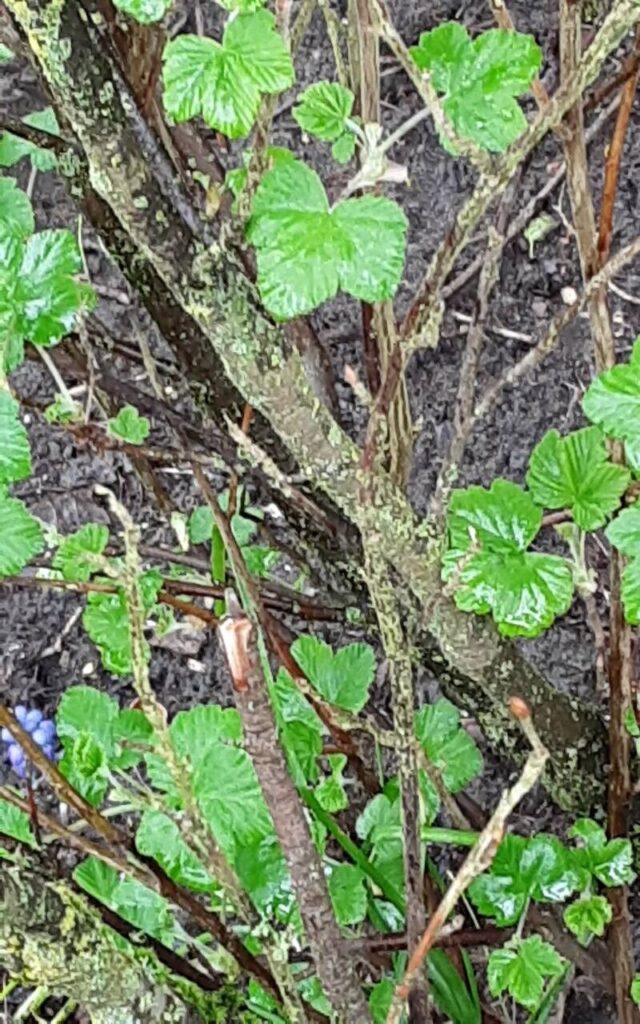
Unlocking the Secrets of Nevadan Currant Propagation: A Beginner’s Guide
The Nevadan Currant (Ribes nevadense) is a beautiful and hardy native shrub boasting delicate white blossoms in spring and a delightful burst of red berries in summer. But did you know that you can easily multiply your Nevadan Currant collection through propagation?
This guide will walk you through the process of multiplying your Nevadan Currant, breaking down the techniques into simple steps that even beginner plant enthusiasts can follow.
Choosing the Right Approach:
There are two primary methods for propagating Nevadan Currants:
- Cuttings: Taking cuttings from healthy, mature stems is a reliable method for propagating Ribes nevadense. This method involves taking cuttings from non-flowering stems in the early summer.
- Seed Propagation: While effective, seed propagation is a longer and more unpredictable process compared to cuttings. If you’re looking for a new challenge or have abundant seeds, this method can be rewarding.
Cuttings: Your Shortcut to New Growth
Here’s how to take cuttings from your Nevadan Currant:
- Select the Cuttings: Choose healthy, non-flowering stems with firm, mature wood. Cuttings should be about 6 inches long, with at least three nodes (leaf junctions) present.
- Prepare the Cuttings: Using a sharp knife or pruning shears, make a clean cut just below a node, ensuring a slanted cut for optimal root growth.
- Remove Lower Leaves: Remove the lower leaves on the stem, leaving only the top two or three leaves. This helps focus energy on root development.
- Dip in Rooting Hormone: To boost rooting success, dip the cut end of each cutting in a rooting hormone solution.
- Potting Up: Fill small pots with a well-draining potting mix. Insert each cutting about 2 inches deep into the soil, ensuring that the top two or three leaves are above the soil level.
- Keep Them Moist: Gently water the pots thoroughly, ensuring the entire soil is moist but not soggy.
- Protect from Sunlight: Place the pots in a shady location, ideally indoors in a warm environment, to encourage rooting.
- Maintain Humidity: Cover each pot with a plastic dome or bag to create a humid environment that will help the cuttings develop roots.
- Patience is Key: Rooting can take anywhere from 4 to 8 weeks. Monitor the cuttings regularly, ensuring the soil remains moist.
- Transplanting Outdoors: Once your cuttings have developed roots, you can carefully transplant them into individual pots or directly outside in a well-prepared location.
Seed Propagation: Embracing the Natural Cycle
If you choose to propagate your Nevadan Currant from seeds, follow these guidelines:
- Harvest the Seeds: Gently harvest the ripe berries from your plant, and carefully remove the seeds from the flesh.
- Clean and Dry: Clean the seeds thoroughly with water to remove any remaining fruit pulp, and allow them to dry completely.
- Stratification: The seeds require a cold stratification period to break dormancy before germination. Mix the seeds with moist peat moss or vermiculite and store them in a sealed plastic bag in the refrigerator for 6 to 8 weeks.
- Sowing: Once the stratification period is complete, sow the seeds in individual pots filled with a well-draining seed starting mix.
- Keep Them Damp: Keep the soil moist but not waterlogged.
- Provide Light: Place the pots in a bright location, avoiding direct sunlight that can scorch the delicate seedlings.
- Thinning: Once the seedlings have grown a few true leaves, thin them out to allow space for optimal growth.
- Transplanting: As the seedlings continue to grow, gradually acclimate them to outdoor conditions before transplanting them into their final planting location.
Whether you choose cuttings or seeds, propagating Nevadan Currants is a rewarding experience. By mastering these techniques, you can easily expand your collection of this beautiful and hardy native shrub, bringing pops of vibrant red and white into your garden year after year.