
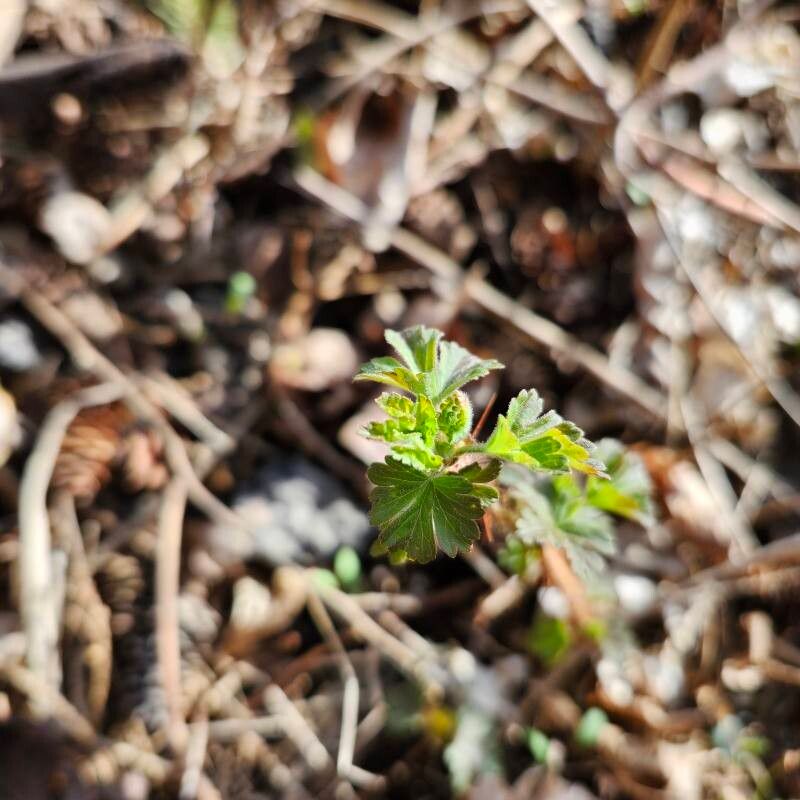
Unleashing the Power of Gooseberry: Propagating Ribes oxyacanthoides
The humble gooseberry, with its tart-sweet flavor and versatility in the kitchen, is a beloved addition to many gardens. But did you know that propagating your own Ribes oxyacanthoides, commonly known as the Canadian gooseberry, can be a truly rewarding experience? Whether you’re looking to expand your berry patch or simply share the bounty with friends, this guide will equip you with the tools and knowledge to propagate gooseberry with confidence.
Understanding Propagation Methods
There are two primary methods for propagating Ribes oxyacanthoides:
1. Hardwood Cuttings: This technique involves taking cuttings from dormant, woody stems during the late fall or early winter months. It capitalizes on the plant’s natural ability to regenerate from dormant buds.
- Step-by-Step Guide:
- Select healthy, one-year-old stems that are around pencil thickness.
- Cut 6-8 inch long sections, making a clean cut just below a bud at the bottom and above a bud at the top.
- Remove any buds or leaves from the lower third of the cutting.
- Dip the bottom end in rooting hormone (optional but recommended).
- Plant the cuttings in a well-draining potting mix, burying the bottom third.
- Water thoroughly and keep consistently moist.
- Place in a cool, sheltered location with indirect sunlight.
- Rooting should occur within a few months, and you can transplant your cuttings to larger pots or the garden once they show significant growth.
2. Layering: This method takes advantage of the plant’s ability to root from stems that are still attached to the parent plant. It’s a simple technique with a high success rate.
- Step-by-Step Guide:
- Choose a flexible, low-growing stem from your gooseberry plant.
- Wound the stem slightly by making a small cut or scraping off a layer of bark about 6-12 inches from the tip.
- Bend the wounded portion down to the ground and bury it in a shallow trench, using a rock or landscape pin to hold it in place.
- Keep the soil moist.
- After a few months, roots should have developed from the wounded area.
- Carefully sever the rooted section from the parent plant and transplant it.
Tips for Success
- Timing is Key: Hardwood cuttings are best taken during dormancy, while layering can be done in spring or early summer.
- Choose the Right Material: Select healthy, disease-free stems for both methods.
- Provide Optimal Conditions: Moisture, good drainage, and indirect sunlight are crucial for successful rooting.
- Be Patient: It takes time for roots to develop, so don’t be discouraged if you don’t see results immediately.
Propagating your own Ribes oxyacanthoides can be a rewarding experience, connecting you with the ancient practice of plant propagation. With a little patience and the right techniques, you can enjoy an abundant harvest of delicious gooseberries for years to come.