
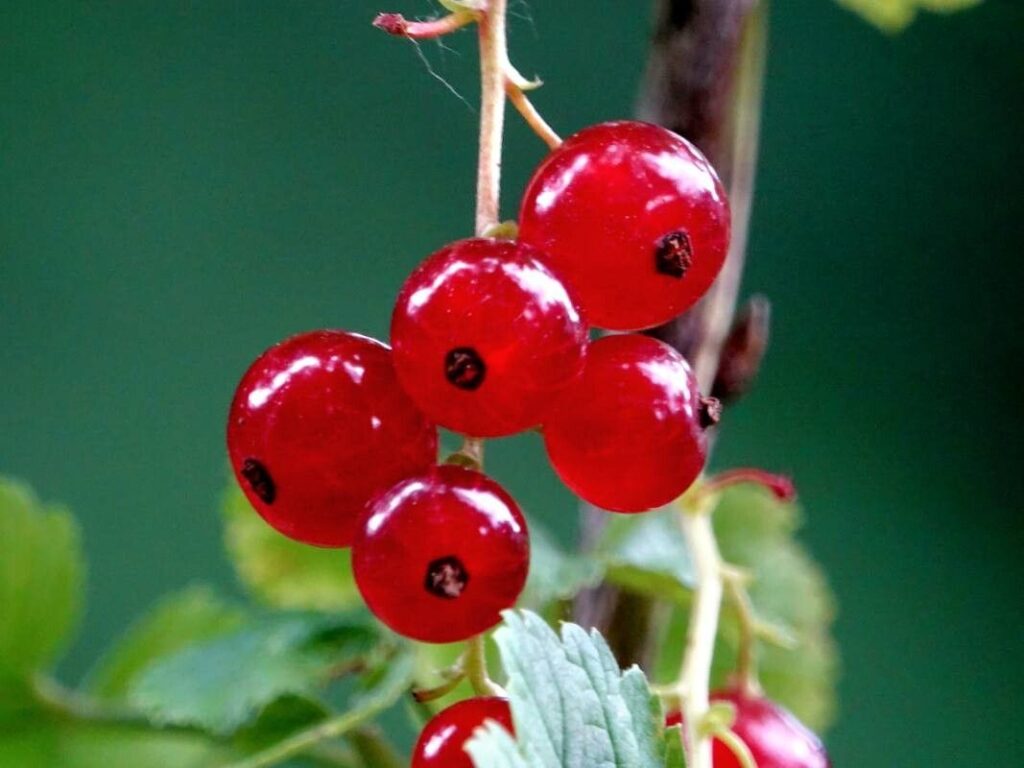
From One to Many: How to Propagate Your Own Red Currant Bushes
Have you ever been captivated by the vibrant red jewels adorning a red currant bush? You probably haven’t stopped at admiring their beauty; you’ve likely dreamed of having them bloom and fruit in your own garden.
Good news! You don’t have to rely solely on purchasing new plants. Red currants (Ribes rubrum) are remarkably easy to propagate, allowing you to multiply your existing bushes and share the joy of their juicy berries with friends and family.
Let’s delve into the world of red currant propagation, unveiling the secrets to creating your own lush currant patch.
Methods of Multiplication:
There are three primary methods for propagating red currants:
-
Cuttings: This method involves taking stem cuttings from healthy, mature bushes. You’ll want to select strong, 6-8 inch sections of a year-old wood, cutting them just below a bud. Dip the cut end in a rooting hormone for improved success, then insert them into a mix of peat moss and perlite. Keep them moist and in a shaded location, and within several weeks, you should start seeing roots.
-
Layering: This method utilizes the existing branches of your red currant bush. Choose a flexible branch and bend it down to the ground, burying a portion of it in the soil. Secure it with a rock or a wire, ensuring the tip remains above the ground. Over time, roots will develop from the buried section, and you can sever the new plant from the parent bush the following spring.
- Softwood Cuttings: This method utilizes new, soft growth. Take cuttings of about 4 inches long during the summer months, removing leaves from the bottom two inches. Treat them with rooting hormone and plant them into a moist growing medium. Cover them with a plastic dome for increased humidity and warmth.
The Ideal Time to Propagate:
The best time to propagate red currants depends on the technique you choose.
- Cuttings: Take hardwood cuttings in late autumn or early winter, or softwood cuttings in early summer.
- Layering: This method can be done in late spring or early summer.
- Softwood Cuttings: Take softwood cuttings in early summer.
Tips for Success:
- Choose the Right Time: Picking the right time for each method is crucial for success.
- Use Fresh Material: Ensure the cuttings or layers you use are fresh and healthy.
- Provide Adequate Moisture: Maintain consistent moisture levels during the rooting process.
- Offer Shade and Protection: Protect your new plants from harsh sunlight and wind.
- Be Patient: Propagation takes time, but the reward is plentiful.
Beyond Multiplication:
Propagation is not only about creating new plants but also about safeguarding the genetic diversity of your currant collection. This means you can propagate from your favorite varieties, ensuring their unique traits continue for generations to come.
So, take the leap and embark on this rewarding journey. By mastering red currant propagation, you can cultivate a vibrant currant patch filled with the sweet rewards of your own handiwork, season after succulent season.