
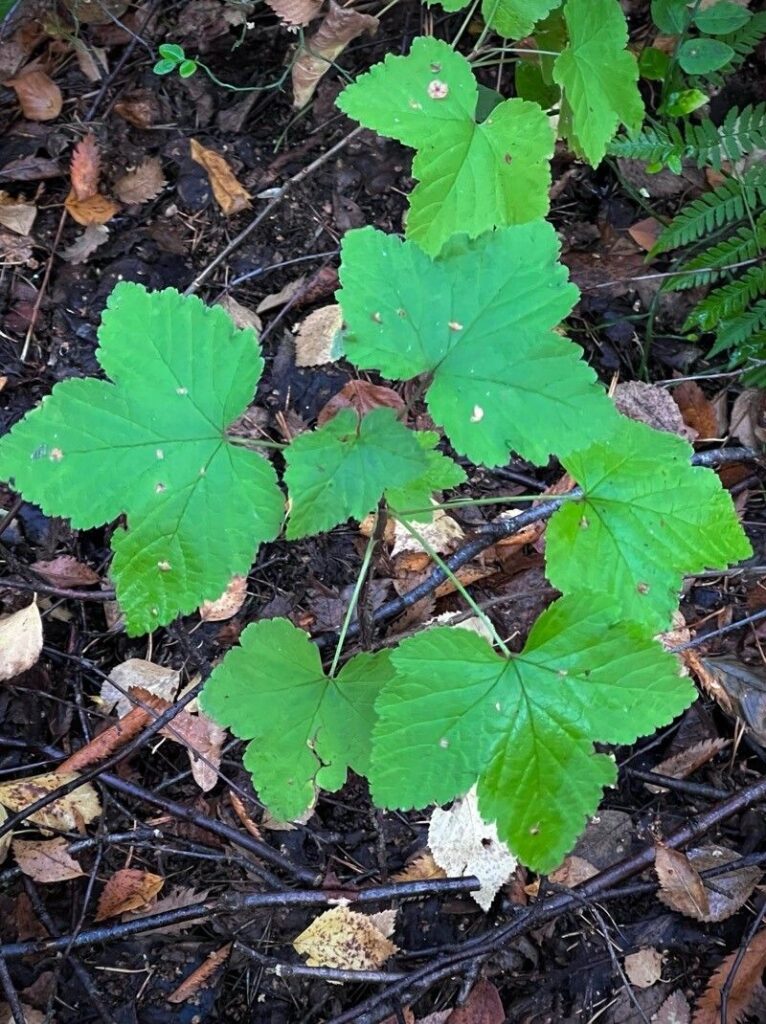
Beyond the Birds: Propagating Your Own Ribes Triste (American Red Currant)
The American Red Currant, or Ribes triste, is a hardy shrub prized by foragers and wildlife enthusiasts for its vibrant, tart berries that dangle like crimson jewels against lush green foliage. While birds may be the most enthusiastic consumers of these berries, wouldn’t you like to enjoy some yourself? The good news is, propagating your own Ribes triste is a rewarding endeavor, even for gardening novices.
Understanding the Options: Seeds vs. Cuttings
Propagation, simply put, is the process of creating new plants. For Ribes triste, you have two primary methods:
-
Seeds: While possible, propagating from seed has its drawbacks. First, Ribes triste seeds require stratification, a period of cold treatment to mimic winter conditions and trigger germination. Second, the offspring may not exhibit the same characteristics as the parent plant.
- Cuttings: This method involves taking a portion from an existing healthy plant to grow a new one and is often the preferred approach for Ribes triste. Cuttings are more likely to replicate the parent’s attributes and bypass the need for stratification.
The Cutting Edge: A Step-by-Step Guide:
Ready to get your hands dirty? Here’s how to propagate Ribes triste from cuttings:
1. Timing is Key: Take your cuttings in the early morning during late spring or early summer when the plant is actively growing.
2. Choose Wisely: Select healthy, non-flowering stems about 4-6 inches long. Look for sections with several nodes (small bumps on the stem where leaves emerge).
3. Prepare the Cutting: Using sharp, clean pruning shears, make a cut just below a node at a 45-degree angle. Remove the leaves from the bottom half of the cutting.
4. Encourage Root Development: Dip the cut end in rooting hormone powder (available at most garden centers). This isn’t mandatory, but it significantly increases your chances of success.
5. Potting Mix Matters: Plant your cuttings in a well-draining soil mixture. A combination of peat moss and perlite works well.
6. Create a Humid Environment: Cover the pot with a clear plastic bag or use a humidity dome to trap moisture and encourage rooting.
7. Location, Location, Location: Place the pot in a bright location, but out of direct sunlight.
8. Patience is a Virtue: Rooting can take several weeks. Keep the soil consistently moist but not soggy.
9. Transplant Time: Once new growth appears, it’s a sign your cuttings have rooted. You can now carefully transplant them to individual pots or directly into your garden in a spot with well-drained soil and partial shade.
Reaping the Rewards:
While your new Ribes triste plants mature, envision the joy of harvesting your own tart, juicy currants. Whether enjoyed fresh, transformed into delicious jams, or left for your feathered friends, successfully propagating your own Ribes triste is a satisfying accomplishment for any plant enthusiast.