
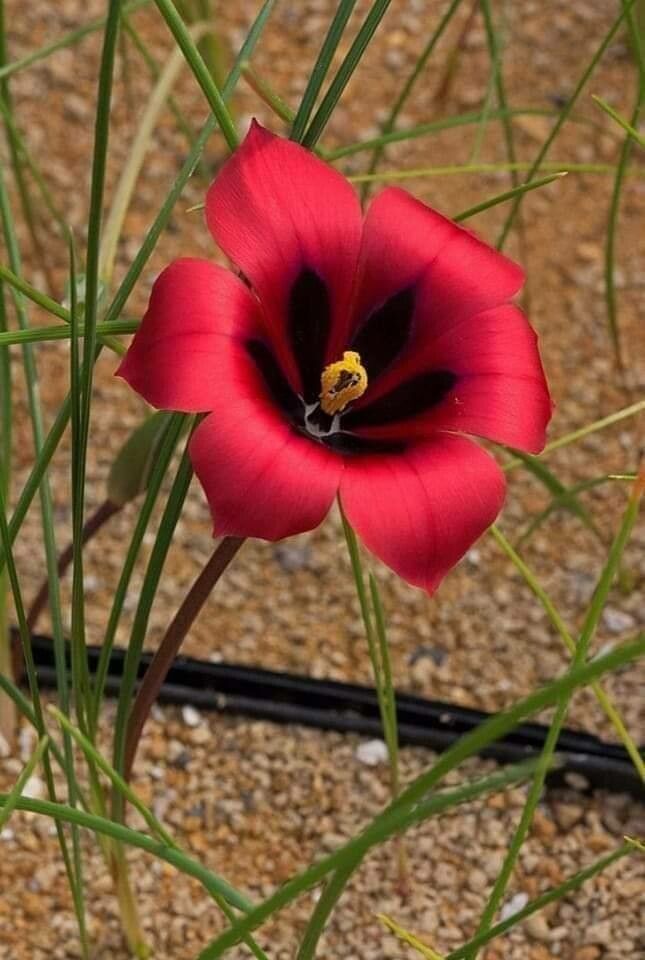
Tiny Treasures: Growing More Romulea monadelpha with Ease
Have you ever been captivated by the delicate beauty of a tiny flower? Romulea monadelpha, with its striking yellow star-shaped blooms, is a true charmer. But did you know it’s easy to share this beauty with others? Propagation is the key, and it’s a simple process, even for beginners.
Understanding Romulea monadelpha:
This dainty perennial, native to Southern Africa, boasts small, grass-like leaves and blooms that dance on slender stems. Its vibrant yellow flowers, often accented with a maroon “eye” at the center, bring a burst of sunshine to any garden bed or container. Given their small size, these flowers are often overlooked, but they are an absolute delight when planted en masse.
There are two main ways to propagate Romulea monadelpha, ensuring you can enjoy an abundance of these charming blooms:
1. From Seed:
- Timing: Sow seeds in autumn for spring blooms.
- Process: Use a seed tray or pot filled with a well-draining seed compost. Scatter the seeds thinly and cover them lightly with compost. Water gently, ensuring the soil remains moist. Place the container in a bright, sunny location but avoid direct sunlight.
- Germination & Care: Germination should happen within a few weeks. Thin out seedlings once they have grown a few true leaves. Once established, they require regular watering but need well-draining soil to prevent root rot.
2. Division:
- Timing: The best time to divide Romulea monadelpha is in autumn, after they have finished flowering.
- Process: Gently lift the plant from the ground. Separate the clumps into smaller divisions, making sure each section has a healthy portion of roots and foliage. Plant the divisions immediately in a new location.
Tips for Success:
- Soil & Location: Romulea monadelpha prefers well-draining, sandy soil. They thrive in sunny to partially shaded spots.
- Watering: Water regularly during the growing season, ensuring the soil doesn’t become waterlogged. During winter, water only very lightly.
- Fertlizer: They don’t require heavy fertilization. A light application of balanced slow-release fertilizer in spring can help them bloom abundantly.
Romulea monadelpha: A Gem for Your Garden
Their small size doesn’t diminish their appeal. Their bright yellow blooms, delicate form, and ease of propagation make them an ideal choice for rock gardens, containers, or even as a low-growing ground cover. Propagation is the key to expanding your collection and sharing the joy of Romulea monadelpha with others—giving them a unique bloom that will brighten any garden.