
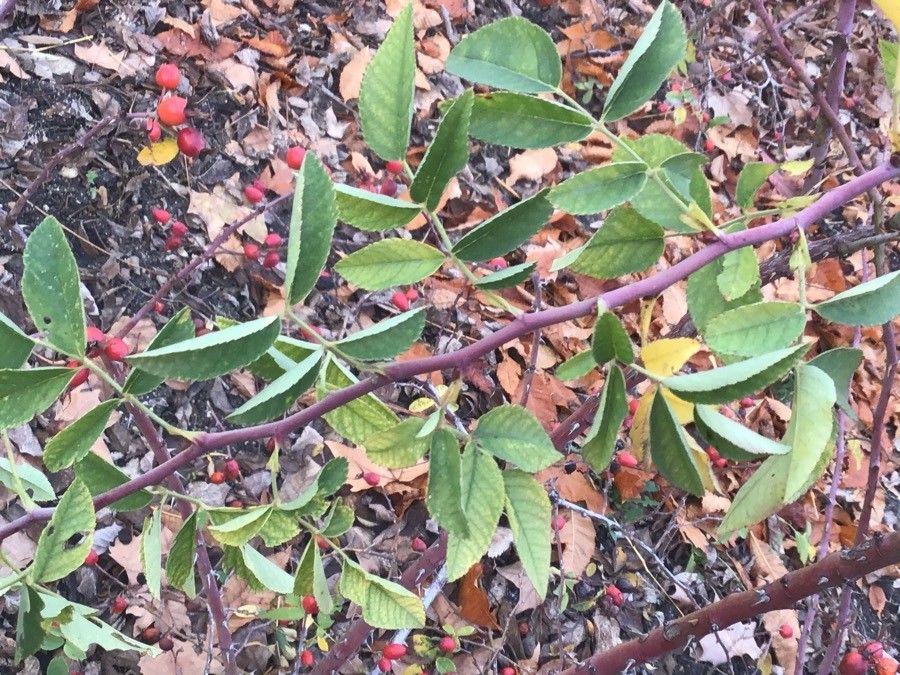
Unlocking the Secrets of Rosa Caesia: A Propagation Primer
The world of roses is vast and captivating, filled with vibrant colors, intoxicating scents, and a rich history. While hybrid tea roses often steal the show, there’s a certain charm to exploring lesser-known species like Rosa caesia. This wild rose, native to Europe, captivates with its delicate pink blossoms and robust nature. If you’re looking to invite its unique beauty into your garden, understanding propagation is key.
Decoding Rosa Caesia: A Quick Look
Before diving into propagation, let’s get acquainted with Rosa caesia. This resilient rose species boasts bluish-green foliage and delicate pink flowers that grace the plant in early summer. It thrives in a variety of conditions, tolerating partial shade and showing resilience against common rose diseases. This makes it an excellent choice for both experienced gardeners and enthusiastic beginners.
Propagation Techniques for Rosa Caesia:
Propagating Rosa caesia can be a rewarding experience, and thankfully, this resilient species can be multiplied through various methods. Let’s explore the most effective ones:
1. Seed Propagation:
While possible, propagating Rosa caesia from seed can be unpredictable. The seeds require a period of cold stratification to mimic natural winter conditions and encourage germination.
- Collecting Seeds: Harvest ripe hips (the fruit of the rose) in autumn and extract the seeds.
- Stratification: Mix the seeds with damp vermiculite or sand and store them in a refrigerator (around 4°C) for 2-3 months.
- Sowing: In spring, sow the stratified seeds in a well-draining seed-starting mix, lightly covering them with soil.
- Patience: Germination can be slow and sporadic, so patience is key.
This method offers a higher success rate and is the most common way to propagate Rosa caesia.
- Timing is Key: Take cuttings in late autumn or early winter when the plant is dormant.
- Choosing the Right Cuttings: Select healthy, woody stems from the current year’s growth. Cuttings should be around 6-8 inches long.
- Preparing the Cuttings: Remove any leaves from the lower third of the cutting. Make a clean cut just below a leaf node.
- Planting: Dip the cut end in rooting hormone (optional but recommended) and plant it in a pot filled with a well-draining mix of peat moss and perlite.
- Environment: Keep the cuttings in a cool, sheltered location with indirect light. Mist regularly to maintain humidity.
3. Layering:
Layering is a simple technique where you encourage a stem to develop roots while still attached to the mother plant.
- Choose a Stem: Select a flexible stem close to the ground.
- Prepare the Stem: Gently wound the stem by making a small cut or scrape on the underside.
- Bury the Stem: Bend the wounded portion of the stem down and bury it a few inches deep in the soil. Use a rock or landscape pin to hold it in place.
- Patience: Roots will typically develop within a year. You can then separate the layered stem from the parent plant.
Nurturing Your New Rosa Caesia Plants:
Once your Rosa caesia propagations have developed roots, it’s crucial to provide them with the right care:
- Watering: Keep the soil consistently moist but not waterlogged.
- Light: Provide ample sunlight, ideally 6 hours per day.
- Fertilizer: Use a balanced, slow-release fertilizer in spring to encourage healthy growth.
- Pest and Disease Control: Monitor your plants for any signs of pests or diseases and address them promptly.
Propagating Rosa caesia can be an enjoyable and rewarding gardening endeavor. By understanding the unique characteristics of this rose species and implementing the appropriate methods, you can successfully cultivate new plants and enjoy the beauty of Rosa caesia for years to come.