
Propagating Rosa carolina: The Challenges and Rewards of Cultivating the Pasture Rose
Introduction:
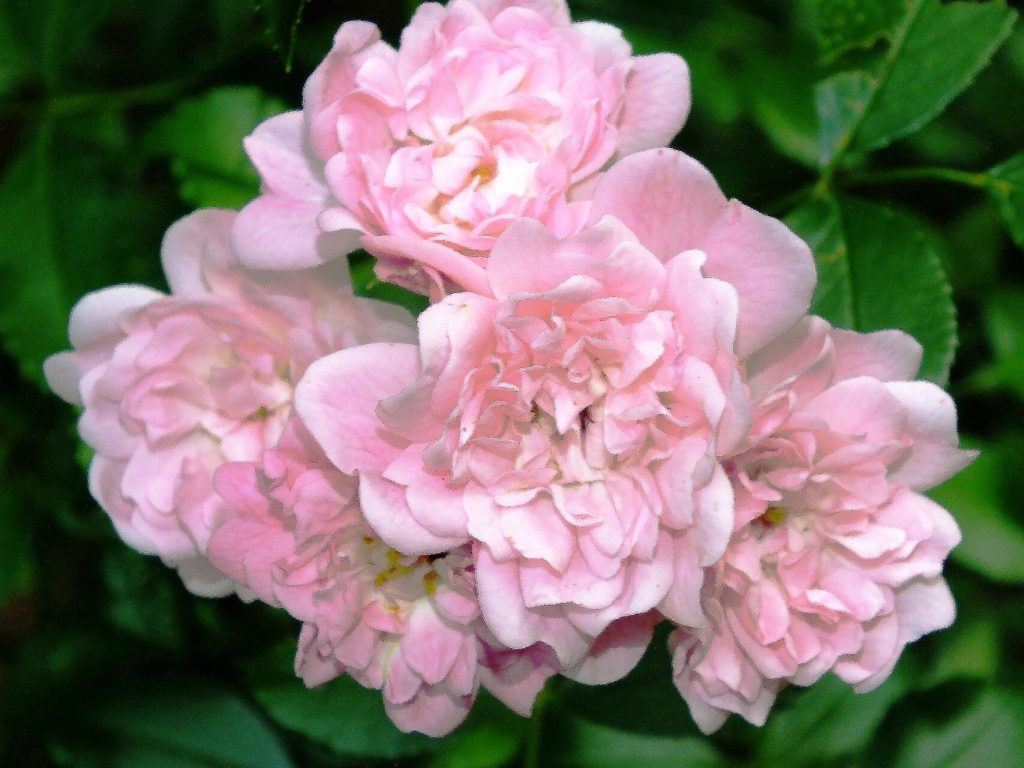
Rosa carolina, commonly known as the Pasture Rose, is a charming native North American wild rose prized for its delicate pink flowers, fragrant foliage, and adaptability to various soil conditions. Its resilience and attractive qualities make it a desirable addition to native plant gardens and naturalistic landscapes, boosting its popularity among gardeners seeking low-maintenance, ecologically sound options. However, propagation isn’t always straightforward, making successful cultivation a rewarding experience. Its unique aspects, such as its relatively small size compared to other roses and its propensity for self-seeding (though not always reliable for consistent propagation), present both opportunities and challenges for propagation.
Seed Germination:
Seed germination for Rosa carolina is viable, but presents significant challenges. The seeds possess a hard seed coat, requiring stratification to break dormancy. This process mimics the natural winter conditions necessary for germination.
Challenges: Low germination rates are common, even with proper stratification. Seed viability can also be variable, depending on the maturity and health of the parent plant and environmental conditions. Seedlings can be slow to establish.
Practical Tips: Stratify seeds for 3-4 months in moist peat moss or vermiculite at temperatures near 4°C (39°F). After stratification, sow seeds in well-draining seed-starting mix at a depth of about twice the seed diameter. Maintain consistently moist (but not waterlogged) conditions and provide ample sunlight. Germination can range from several weeks to several months.
Rewards: Successful germination yields genetically diverse plants, potentially leading to unique variations within your garden. Germination offers a relatively inexpensive method for larger-scale propagation compared to other techniques.
Cuttings:
Cuttings are a viable method for propagating Rosa carolina, offering a faster and more reliable approach than seed germination.
Challenges: Success rates depend heavily on timing and technique. Hardwood cuttings taken in late autumn or winter generally show lower success rates than semi-hardwood cuttings taken in late summer or early autumn. Proper rooting hormone application is crucial.
Practical Tips: Take semi-hardwood cuttings of about 6-8 inches long, removing lower leaves. Dip the cut ends in rooting hormone and plant them in a moist mixture of perlite and peat moss. Keep consistently moist and under high humidity, ideally in a propagator or covered container. Rooting may take several weeks.
Rewards: Cuttings produce genetically identical plants to the parent, ensuring the preservation of desirable traits. This method allows for quicker propagation compared to seed germination.
Division:
Division is a viable method, but only applicable to established plants with multiple canes.
Challenges: Division can stress the plant, potentially leading to reduced vigor or even plant death if not performed properly. It’s most successful with mature plants that have developed a robust root system. This method is not suitable for large-scale propagation.
Practical Tips: Divide the plant in early spring or late autumn, ensuring each division includes sufficient root mass and several healthy canes. Plant the divisions immediately in well-prepared soil. Water thoroughly after planting and provide shade during the initial establishment period.
Rewards: Allows for rapid multiplication of a desirable plant with consistent traits, offering a quick way to increase the number of plants without starting from seed or cuttings.
Tissue Culture:
Tissue culture is a viable, albeit more complex and specialized method for propagating Rosa carolina. It often requires specific laboratory equipment and sterile conditions.
Challenges: This is a technically demanding technique requiring specialized knowledge and equipment making it unsuitable for the average home gardener. Sterility is paramount to prevent contamination. Costs associated with lab equipment and supplies are also high.
Practical Tips: Lab conditions are essential, featuring sterile environments and plant growth regulators. Explant selection and subsequent subculturing are crucial for achieving healthy plantlets. This is best left to professionals or specialized nurseries.
Rewards: Offers the potential for large-scale, rapid propagation of disease-free plants, maintaining genetic uniformity and preserving rare or desirable cultivars.
Conclusion:
Propagating Rosa carolina presents a range of challenges, from the low germination rates of seeds to the technical demands of tissue culture. Yet, the rewards of successfully cultivating this beautiful wild rose are significant. The unique satisfaction comes not just from the beauty of the plant itself, but also from conquering the challenges of propagation. Whether through the patience of seed germination, the precision of cuttings, or the controlled environment of tissue culture, mastering any of these methods brings a sense of accomplishment that enhances the enjoyment of this lovely native rose. For the home gardener, starting with cuttings or attempting division offers workable avenues to expand your Rosa carolina patch, while appreciating the complexity and inherent beauty of this engaging species.