
Taming the Wild Rose: Propagating Rosa Dumalis
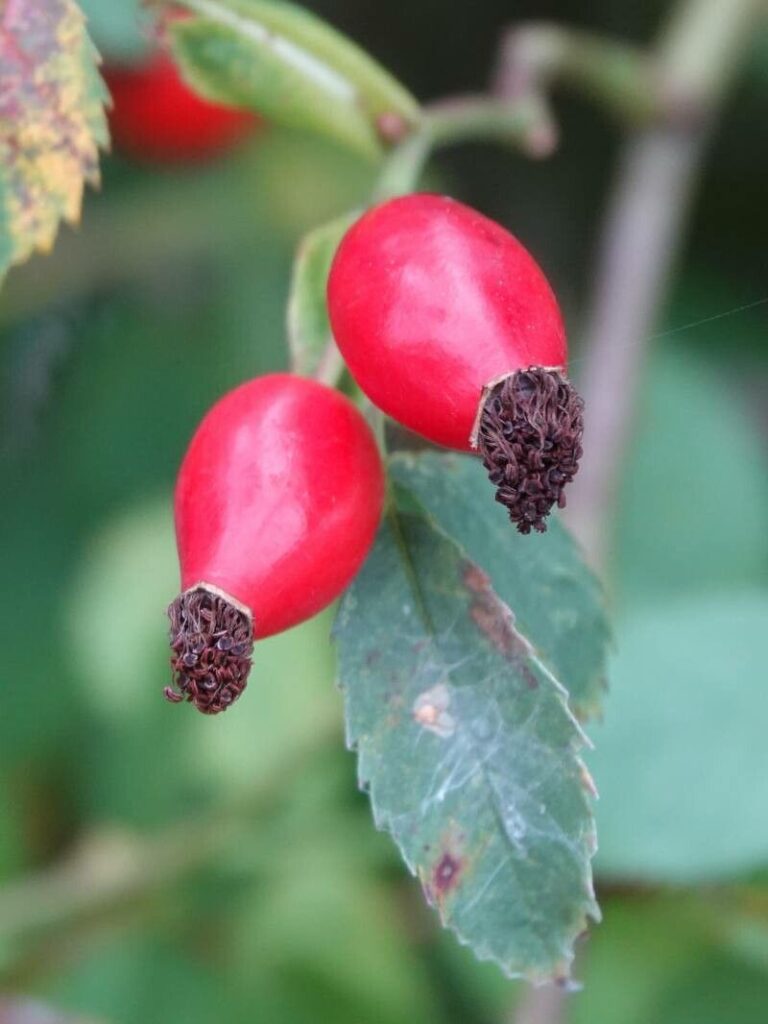
The Rosa dumalis, also known as the glaucous dog rose, is a captivating sight with its delicate pink blooms and vibrant red hips. This wild rose, native to Europe and Western Asia, can add a touch of untamed beauty to your garden. But how do you cultivate this charming species? Let’s explore the world of Rosa dumalis propagation, unraveling the secrets to successfully growing new plants.
Method 1: Seed Propagation – Embracing the Element of Surprise
Collecting seeds from ripe rose hips in autumn offers a rewarding, albeit unpredictable, propagation journey. Here’s how:
- Harvesting: Choose plump, red rose hips after the first frost. Extract the seeds and clean off any remaining pulp.
- Stratification: Mimic winter’s chill by placing the seeds between damp paper towels in a sealed bag. Refrigerate for 6-8 weeks.
- Sowing: Plant the stratified seeds in a seed tray filled with seed compost, covering them lightly.
- Patience: Germination can be erratic, taking several weeks or even months. Maintain consistent moisture and anticipate a mix of characteristics in the resulting plants.
Method 2: Cuttings – The Path to Clones and Consistency
Taking hardwood cuttings in late autumn or early spring provides greater control over the final plant’s characteristics:
- Selection: Choose healthy, dormant stems from the current year’s growth.
- Preparation: Cut 6-8 inch sections, making a clean cut below a node at the base and above a node at the top. Remove any leaves from the lower half.
- Hormone Boost (Optional): Dip the bottom inch of each cutting in rooting hormone to encourage faster root development.
- Potting: Plant the cuttings in a well-draining potting mix, burying the bottom third of the stem.
- Nurturing: Water well and cover the pot with a plastic bag or place it in a propagator to create a humid environment.
Method 3: Layering – Encouraging Natural Root Development
This technique, ideal for established plants, encourages existing stems to sprout roots:
- Selection: Choose a flexible stem close to the ground.
- Wounding: Gently scrape or make a small cut on the underside of the chosen stem portion.
- Bending & Burying: Bend the wounded section down and bury it a few inches deep in the soil, securing it with a landscape staple or rock.
- Patience: Roots will develop over several weeks or months. Once established, you can separate the newly rooted section from the mother plant.
Caring for Your New Rosa Dumalis Progeny
Regardless of your chosen propagation method, young Rosa dumalis plants thrive in well-drained soil and appreciate full sun to partial shade. Water regularly, especially during dry spells.
A Rewarding Endeavor
Propagating Rosa dumalis is an enriching experience for any gardener. Whether you choose the serendipitous path of seeds or the more controlled methods of cuttings or layering, the reward of nurturing new life from an existing plant is deeply satisfying. With a bit of patience and the right techniques, you can soon have a flourishing patch of Rosa dumalis gracing your garden with its wild charm.