
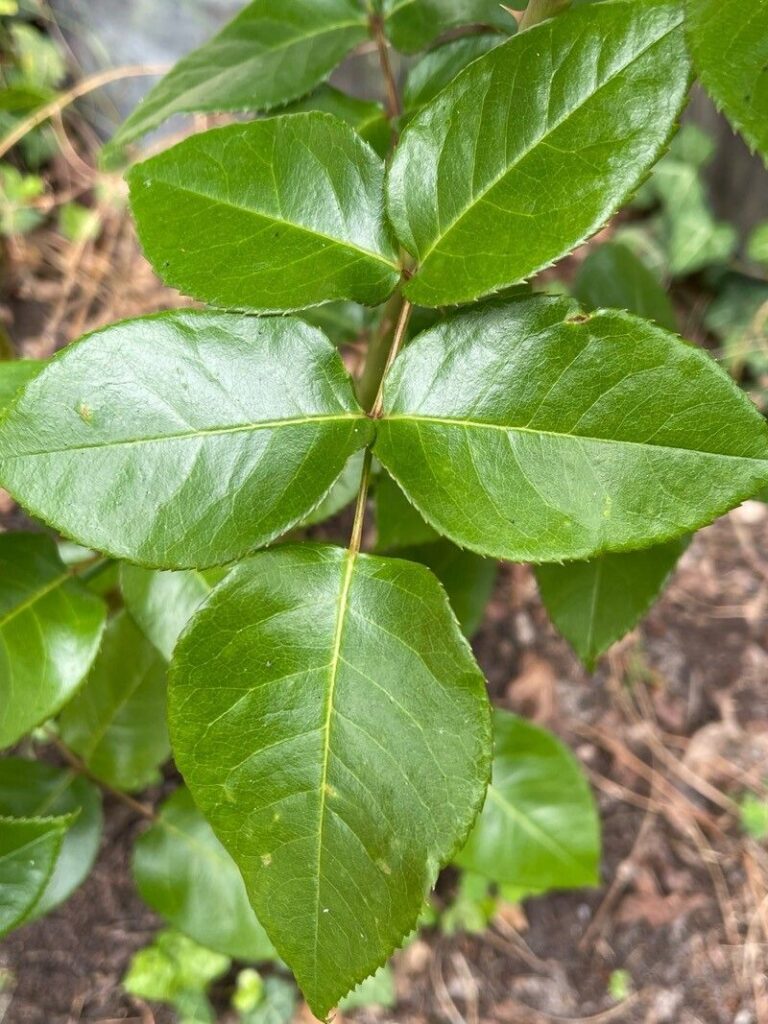
Unveiling the Secrets to Propagating Damask Roses: From Cuttings to Blooms
The Damask rose, Rosa × damascena, with its intoxicating fragrance and lush petals, has captivated hearts for centuries. From gracing ancient gardens to inspiring countless poems and perfumes, this rose holds a special place in horticultural history. If you’re eager to welcome its beauty and aroma into your own garden, you’ll be happy to know that propagating Damask roses, while requiring a touch of patience, is an achievable feat for any gardening enthusiast.
Let’s delve into the methods that’ll have you well on your way to cultivating your own fragrant haven:
1. Cuttings: The Pathway to Clones
Taking cuttings, a form of asexual propagation, allows you to create exact replicas of your prized Damask rose. Here’s how:
- Timing is Key: Late fall or early spring, when the plant is dormant, is the ideal time.
- Choose Wisely: Select healthy, mature stems that have just finished flowering. Avoid those with buds or flowers.
- Create the Cuttings: Using sterilized pruning shears, take cuttings about 6-8 inches long. Make a clean cut just below a leaf node.
- Prepare the Cuttings: Remove the leaves from the bottom third of the cutting, leaving 2-3 sets at the top.
- Root Hormone (Optional but Recommended): Dip the cut end in rooting hormone powder to stimulate growth.
- Potting Up: Plant the cuttings in a well-draining potting mix, burying the bottom node.
- Create a Humid Environment: Cover the pot with a plastic bag or humidity dome to retain moisture.
- Patience: Place the pot in a warm, bright location, out of direct sunlight. Roots should form in 6-8 weeks.
2. Layering: Encouraging Roots While Still Attached
Layering, a method that encourages root development while the stem is still attached to the parent plant, is another viable option for propagating Damask roses.
- Select a Stem: Choose a healthy, flexible stem close to the ground.
- Wound the Stem: Lightly wound the underside of the stem using a sharp, clean knife.
- Bury the Wounded Section: Bend the stem gently and bury the wounded section in a shallow trench filled with moist potting mix.
- Secure and Water: Use a landscape staple or rock to hold the stem in place. Water regularly.
- Sever and Transplant: After several weeks, check for root development. Once established, sever the layered stem from the parent plant and transplant it.
3. Division: Separating for Multiplication
For established Damask rose bushes, division is a practical method to propagate new plants.
- Timing: Late fall or early spring, when the plant is dormant, is best.
- Digging Up: Carefully dig up the entire rose bush, ensuring you get as much of the root system as possible.
- Dividing the Clumps: Using a sharp spade or garden knife, divide the bush into sections, each with a healthy set of roots and canes.
- Replanting: Replant the divisions in well-prepared soil, ensuring they are at the same depth they were originally growing.
Nurturing Your Newly Propagated Damask Roses
Whether you choose cuttings, layering, or division, remember that your newly propagated Damask roses will need consistent care and attention, especially during their first year:
- Water Regularly: Keep the soil consistently moist but not waterlogged.
- Fertilize: Feed with a balanced fertilizer every 4-6 weeks during the growing season.
- Protect from Pests and Diseases: Monitor for any signs of pests or diseases and address them promptly.
Propagating Damask roses is a rewarding endeavor that allows you to expand your rose collection and share these fragrant beauties with others. With a bit of patience and care, you’ll be well on your way to creating a fragrant haven filled with these captivating blooms.