
Propagating Rosularia serrata: A Gardener’s Guide to a Challenging but Rewarding Succulent
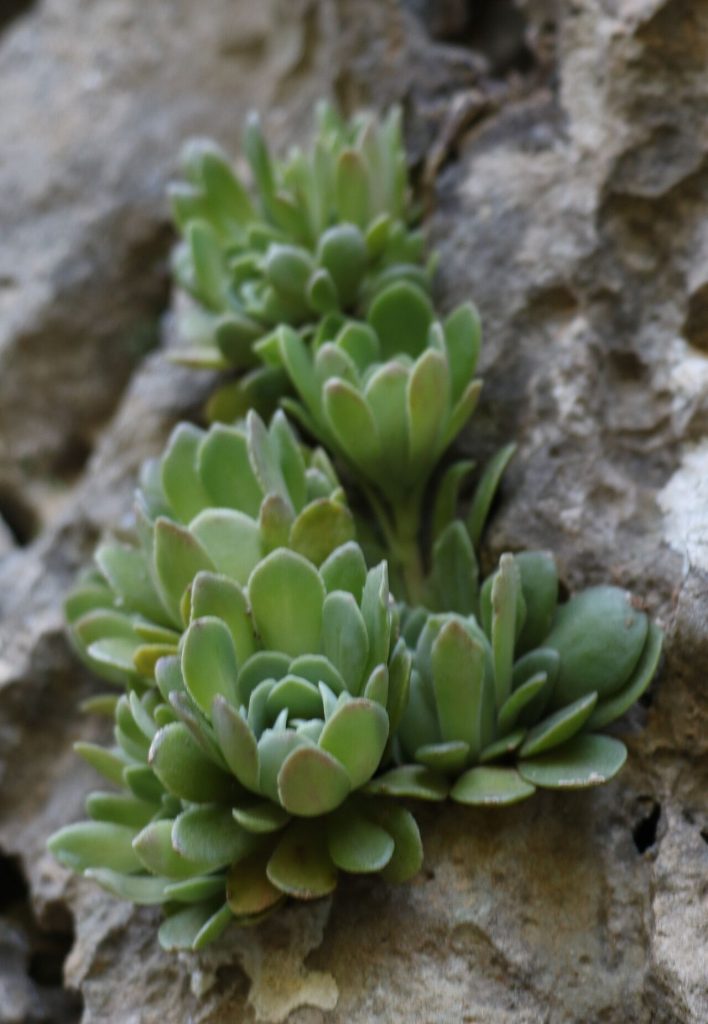
Rosularia serrata, sometimes called the Serrated Rosularia, is a captivating succulent prized for its rosette-shaped foliage and delicate, star-like flowers. Its intricate leaf arrangement, often exhibiting a beautiful serrated edge, makes it a highly sought-after addition to rock gardens, alpine houses, and succulent collections. While its beauty is undeniable, propagating Rosularia serrata presents unique challenges that many gardeners find both daunting and deeply rewarding. This article explores various propagation methods, weighing their viability and outlining practical steps for success.
Seed Germination:
Currently, there are no known reliable methods for seed germination propagation of Rosularia serrata. While seed production might occur under ideal conditions, germination rates have proven consistently low and unpredictable, making this method impractical for most home gardeners. Further research into specific germination requirements, such as light intensity, temperature fluctuations, and potentially specific soil compositions, is needed to assess the feasibility of this approach.
Cuttings:
Cuttings offer a more reliable method of propagation for Rosularia serrata.
Challenges: Rooting cuttings can be slow and prone to rot if not executed precisely. The succulent’s delicate nature increases the risk of damage during harvesting and handling.
Practical Tips: Take stem cuttings of approximately 5-7 cm in length from healthy, mature plants during the growing season (spring or early summer). Allow the cut ends to callous for a few days before planting in a well-draining, gritty succulent potting mix. Ensure the cuttings are planted shallowly, only burying the bottom node. Use a humidity dome or cover to maintain high humidity levels, and place the cuttings in a bright, but not directly sunny, location. Avoid overwatering; allow the soil to dry completely between waterings.
Rewards: Cuttings offer a relatively fast and efficient way to increase the number of plants, preserving the characteristics of the parent plant.
Division:
Division is a viable and efficient propagation method for Rosularia serrata, particularly for established, mature plants.
Challenges: Care must be taken to avoid damaging the roots during the division process. Properly preparing the divided plants for replanting is crucial to prevent rot or stress.
Practical Tips: Gently remove the plant from its pot and carefully separate the offsets or offshoots that have formed around the base of the mother plant. Each offset should have its own set of roots. Replant each division in its own pot filled with well-draining succulent mix. Water sparingly.
Rewards: Division results in multiple plants quickly, maximizing the propagation effort. It is often the easiest and most successful method.
Tissue Culture:
Tissue culture is a more advanced method not typically undertaken by hobbyist gardeners.
Challenges: Tissue culture requires specialized equipment, a sterile environment, and specific knowledge of plant hormone manipulation techniques. It’s a time-consuming and technically demanding process.
Practical Tips: This method requires a controlled laboratory setting. Small sections of healthy plant tissue are sterilized and placed on a nutrient-rich agar medium containing plant hormones to stimulate growth and shoot development.
Rewards: Tissue culture offers the potential for mass production of plants, eliminating the challenges associated with other methods. It also allows for the preservation of rare or endangered varieties. However, the high cost and specialized setup make it impractical for most home propagators.
Conclusion:
Propagating Rosularia serrata presents a unique opportunity to appreciate the resilience and adaptability of this fascinating succulent. While seed propagation is currently unreliable, cuttings and division offer viable pathways, each presenting its own set of challenges and rewards. The slow, meticulous process inherent in these methods mirrors the slow, rewarding growth of the plant itself. The satisfaction of overcoming these hurdles and witnessing a tiny cutting transform into a flourishing rosette is profoundly rewarding. For aspiring propagators, patience, attention to detail, and a willingness to experiment are your greatest assets. Embark on this journey with enthusiasm, and the unique beauty of Rosularia serrata will undoubtedly enrich your gardening experience.