
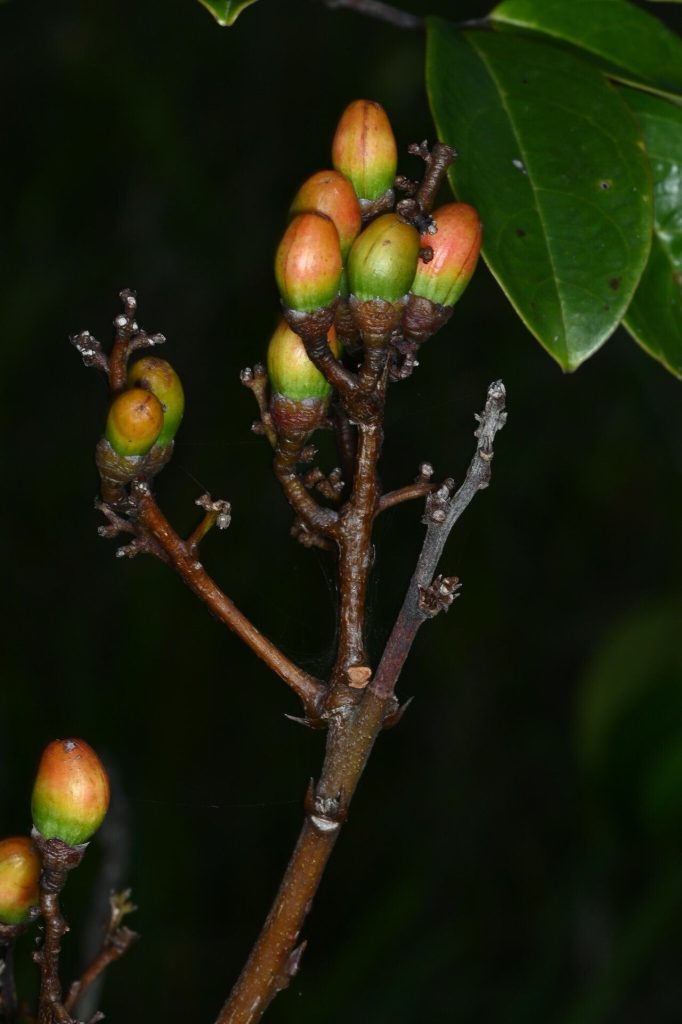
Propagating Rourea frutescens: A Gardener’s Guide to a Challenging but Rewarding Vine
Rourea frutescens, also known as the Guinea pepper vine or simply Rourea, is a captivating climbing shrub prized for its attractive foliage and potential as a groundcover or ornamental climber. Its glossy, dark green leaves and adaptable nature make it a desirable addition to many gardens, though its propagation presents unique challenges. This guide explores various methods for propagating Rourea frutescens, outlining their successes and drawbacks.
Seed Germination:
Currently, there are no known reliable methods for seed germination propagation of Rourea frutescens. While seeds may be produced, reports of successful germination are scarce, suggesting significant dormancy challenges or low seed viability. Further research is needed to determine if specific pre-treatments (such as stratification or scarification) could improve germination rates.
Cuttings:
Cuttings offer a more promising avenue for propagating Rourea frutescens.
Challenges: Rooting success can be inconsistent, and the process can be relatively slow. The type of cutting (hardwood, semi-hardwood, softwood) may influence success, and environmental conditions play a crucial role.
Practical Tips: Semi-hardwood cuttings taken in late summer or early autumn are likely to yield the best results. Use a sharp, clean blade to take 4-6 inch cuttings, removing lower leaves to prevent rot. Dip the cut end in a rooting hormone powder before planting in a well-draining propagation mix (e.g., perlite and peat moss). Maintain high humidity (using a propagator or covering with a plastic bag) and consistent moisture, but avoid overwatering. Rooting may take several weeks or even months.
Rewards: This method can produce genetically identical plants to the parent, preserving desirable traits. It’s also relatively simple once mastered.
Division:
Division is a viable approach, particularly for established plants.
Challenges: This method is only feasible when the plant has developed substantial root growth and is relatively large. Careful handling is essential to avoid damaging the roots.
Practical Tips: The plant should be dug up carefully, and the root ball gently separated into smaller sections, each with its own healthy root system and stems. Replant each section immediately in well-prepared soil. Keep the divided sections moist until established.
Rewards: Division offers rapid multiplication of mature plants, resulting in quicker garden impact compared to cuttings.
Tissue Culture:
Tissue culture propagation offers the possibility of large-scale production of Rourea frutescens.
Challenges: This is a sophisticated technique requiring specialized equipment, sterile conditions, and substantial expertise in plant tissue culture. Developing effective protocols for Rourea frutescens would require laboratory experimentation.
Practical Tips: The process involves taking small pieces of sterile plant tissue (e.g., shoot tips or nodal segments) and culturing them on a nutrient medium fortified with hormones to induce cell division and shoot development. This process is best conducted under sterile conditions within a laboratory setting.
Rewards: Tissue culture allows for the rapid multiplication of clones and helps to eliminate viral infection, producing disease-free stock.
Conclusion:
Propagating Rourea frutescens presents various challenges, but with persistence, it is certainly achievable. While seed germination remains problematic, cuttings and division methods are more promising, each with its own set of advantages and disadvantages. Tissue culture presents an opportunity for large scale propagation but demands specialized facilities and expertise. The reward for successfully cultivating this beautiful vine, however, makes the effort worthwhile. The unique satisfaction of nurturing a cutting into a thriving plant, or dividing a mature specimen into multiple individuals, is a testament to the tenacity and rewarding patience of the gardener. The successful propagation of Rourea frutescens, regardless of the method chosen, provides a tangible sense of accomplishment and a lovely addition to any garden. So, embrace the challenge and enjoy the journey!