
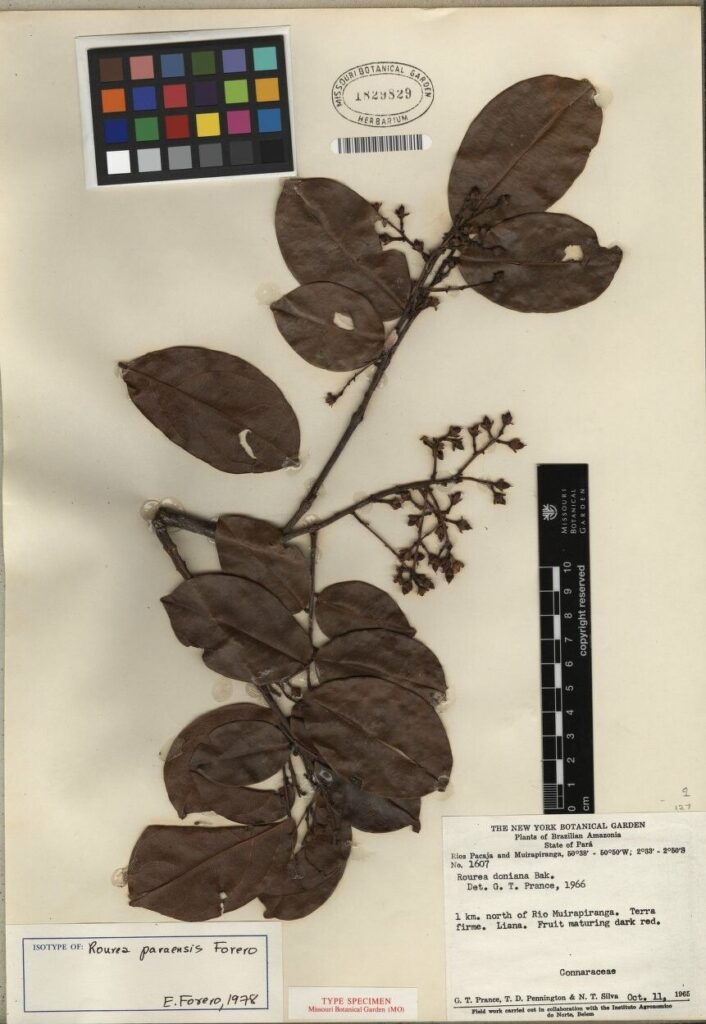
Taming the Wild Beauty: Propagation Techniques for Rourea paraensis
The Rourea paraensis, also known as the “Red-Fruited Kunth Vine,” is a captivating plant with its vibrant red berries and lush foliage. This tropical climber, native to South America, can add a touch of exotic elegance to any garden or home. However, finding Rourea paraensis for sale can be a challenge. That’s where propagation comes in!
This article delves into the different techniques you can use to propagate this stunning plant, allowing more enthusiasts to welcome its beauty into their lives.
Understanding the Plant
Before we delve into propagation, it’s essential to understand the plant’s basic needs. Rourea paraensis thrives in warm climates, enjoying partial shade to full sun. It prefers well-drained soil and requires regular watering, especially during its growing season. This background knowledge will prove invaluable as you navigate the propagation journey.
Seed Propagation: A Test of Patience
While possible, propagating Rourea paraensis from seed can be a time-consuming and somewhat unpredictable endeavor. The seeds have a hard outer shell, requiring specific treatments to enhance germination rates:
1. Seed Scarification: Gently rub the seed coat with sandpaper or a file to break its dormancy. This process allows moisture to penetrate the seed, promoting germination.
2. Soaking: Soak the scarified seeds in lukewarm water for 24 hours.
3. Sowing: Sow the seeds in a seed-starting mix, keeping them moist and warm. Germination can take several weeks or even months.
4. Patience is Key: Seed propagation demands patience, as success isn’t guaranteed. However, the satisfaction of nurturing a plant from seed to maturity can be incredibly rewarding.
Cuttings: A Faster Route to Success
Propagating Rourea paraensis from cuttings generally yields quicker and more reliable results. Here’s how you can do it:
1. Timing is Everything: The best time to take cuttings is during the plant’s active growing season, ideally in spring or early summer.
2. Selecting the Right Cuttings: Choose healthy, non-flowering stems that are around 4-6 inches long.
3. Preparing the Cuttings: Remove the lower leaves from the cutting, leaving only a couple of leaves at the top. This directs the plant’s energy towards root development.
4. Rooting Hormone (Optional): While not strictly necessary, dipping the cut end in rooting hormone can significantly improve the success rate.
5. Planting the Cuttings: Plant the cuttings in a well-draining potting mix, ensuring the bottom node (where the leaves were removed) is buried in the soil.
6. Maintaining Humidity: Cover the pot with a plastic bag or humidity dome to create a warm, humid environment. This fosters faster root development.
7. Patience and Observation: Keep the soil consistently moist but not waterlogged. Within a few weeks, you should start to see new growth, indicating successful rooting.
Nurturing Your New Propagations
Successfully propagating your Rourea paraensis is just the first step. Here are some care tips to ensure your new plants thrive:
- Gradual Acclimatization: Once your cuttings show signs of growth, gradually acclimate them to outdoor conditions before transplanting them into their permanent locations.
- Well-Drained Soil: Use a well-draining potting mix or amend your garden soil to ensure optimal drainage.
- Adequate Sunlight: Provide your plants with at least 4-6 hours of sunlight daily.
- Watering Wisely: Water deeply, allowing the soil to dry slightly between watering sessions.
- Regular Fertilization: Feed your plants with a balanced liquid fertilizer during the growing season.
Propagating Rourea paraensis might require a little effort, but the rewards are well worth it. By mastering these techniques, you can expand your plant family and share the captivating beauty of this tropical climber with fellow plant enthusiasts.