
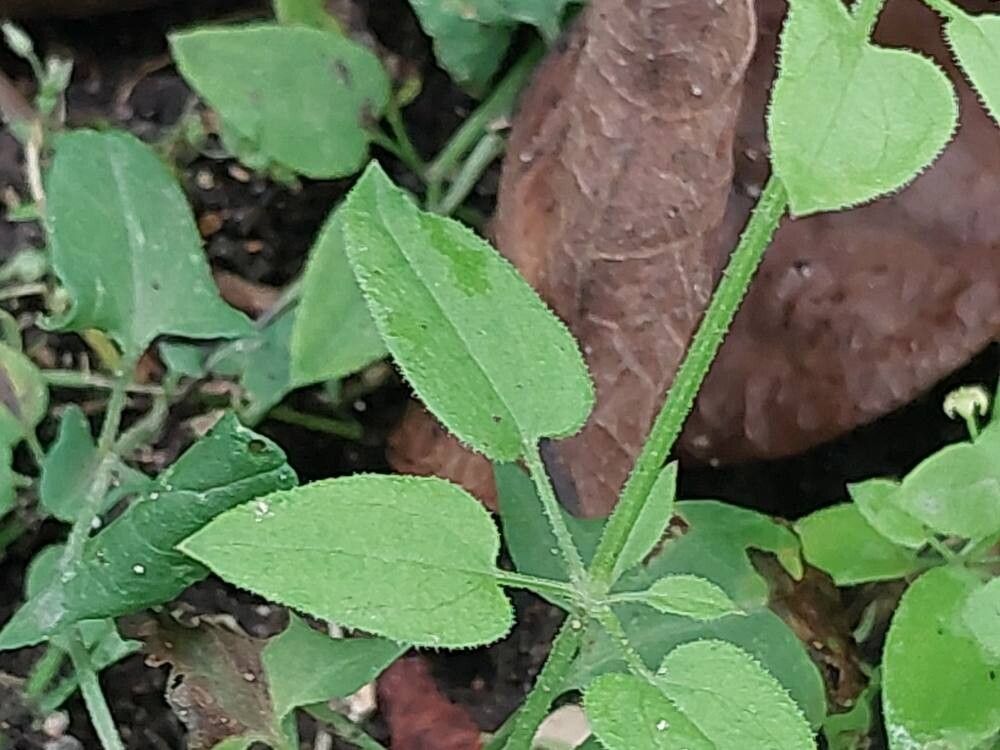
Propagating Rubia cordifolia: A Gardener’s Guide to the Indian Madder
Rubia cordifolia, commonly known as Indian Madder, is a fascinating and increasingly popular plant among gardeners. This perennial climber, belonging to the Rubiaeae tribe, boasts vibrant green foliage and produces small, star-shaped flowers. Its historical significance as a source of red dye adds to its appeal, alongside its ability to thrive in a range of conditions, making it a robust addition to any garden. However, propagation of Rubia cordifolia can present some unique challenges. This article explores different propagation methods, weighing their viability and offering practical advice.
Seed Germination:
Currently, there are no known reliable methods for seed germination propagation of Rubia cordifolia. While seeds may be produced, germination rates are extremely low, and the process is unpredictable. Further research is needed to determine optimal germination conditions, if any exist.
Cuttings:
Cuttings represent a more viable method for propagating Rubia cordifolia.
Challenges: Success depends heavily on timing and technique. Taking cuttings from actively growing shoots during spring or early summer is crucial. The rooting process can be slow.
Practical Tips: Use semi-hardwood cuttings, approximately 4-6 inches long, taken from healthy stems. Remove lower leaves to prevent rot. Dip the cut ends in rooting hormone before planting in a well-draining potting mix, such as a mix of peat moss and perlite. Maintain consistently moist (but not waterlogged) conditions and high humidity, ideally using a propagation tray with a humidity dome.
Rewards: Cuttings offer a relatively quick method of producing genetically identical plants. This is particularly beneficial if you have a prized cultivar.
Division:
Division is another successful propagation method for established Rubia cordifolia plants.
Challenges: This method requires a mature plant with well-developed root systems. Care must be taken to avoid damaging the roots during division, as this can hinder establishment of the new plants.
Practical Tips: Divide the plant in spring or autumn. Ensure each division has sufficient roots and foliage. Plant immediately after division into well-prepared soil. Water thoroughly and provide shade until plants are established.
Rewards: Division is a simple and effective technique for increasing the number of plants quickly, maintaining the genetic characteristics of the mother plant.
Tissue Culture:
Tissue culture offers a potential high-yield method for propagating Rubia cordifolia.
Challenges: This technique requires specialized equipment and aseptic conditions, making it less accessible to home gardeners. Establishing a suitable protocol for Rubia cordifolia may also require experimentation.
Practical Tips: This method is best left to experienced tissue culturists or laboratories. Protocols would need to be developed to determine optimal media components and growth regulators for successful shoot multiplication and root induction.
Rewards: Tissue culture allows for rapid multiplication of plants, offering large-scale propagation potential, disease-free stock and the possibility of preserving rare or endangered genotypes.
Conclusion:
Propagating Rubia cordifolia presents a spectrum of challenges and rewards. While seed germination proves unreliable, cuttings and division are viable options for the home gardener, providing satisfying results with careful technique and patience. Tissue culture offers the potential for large-scale propagation but requires specialist knowledge and resources. The unique satisfaction of cultivating this plant stems directly from overcoming the difficulties inherent in its propagation. The persistence required underscores the special connection gardeners develop with their plants, making the eventual success all the more rewarding. Don’t be discouraged by the initial hurdles. Experiment, learn from setbacks, and enjoy the journey of nurturing this beautiful and historically significant plant.