
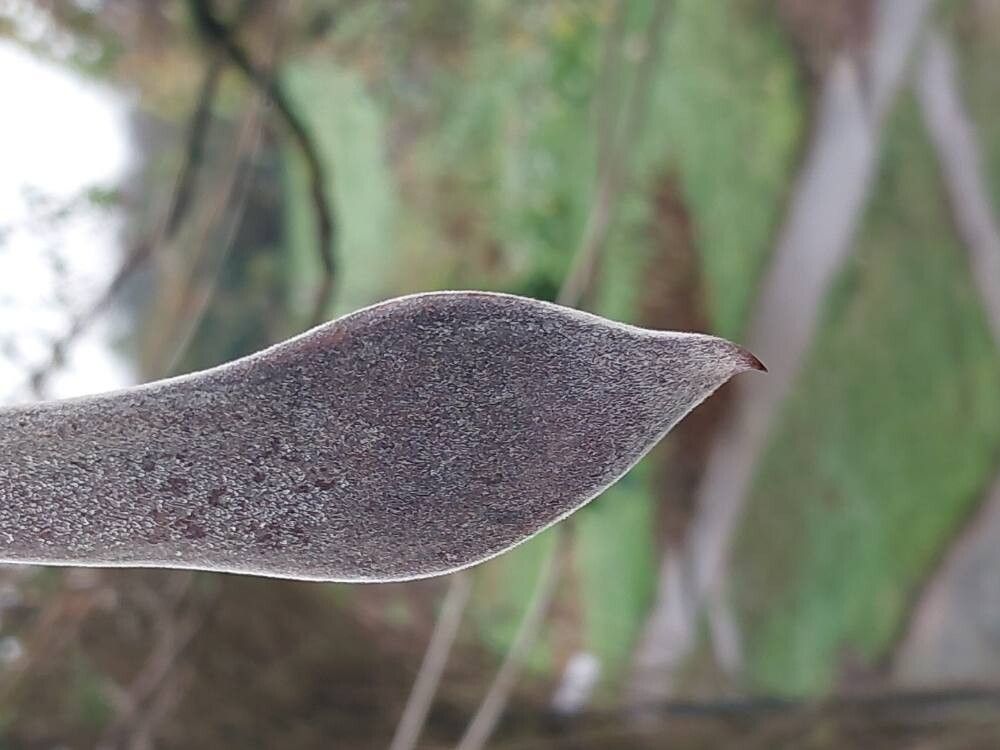
Propagating Wisteria × formosa: A Gardener’s Challenge and Reward
Wisteria × formosa, a hybrid often referred to as the Chinese-Japanese wisteria, is a captivating climbing plant prized for its profuse, fragrant blooms and vigorous growth habit. Its cascading flower clusters, often in shades of purple or white, make it a highly sought-after addition to gardens worldwide. The unique aspect of this hybrid, resulting from a cross between Wisteria floribunda and Wisteria sinensis, lies in its potential for a combination of desirable traits from its parent species, including hardiness and flower abundance. However, successfully propagating this beauty presents unique challenges.
Seed Germination:
Currently, there are no known reliable methods for seed germination propagation of Wisteria × formosa. While Wisteria floribunda and Wisteria sinensis can be propagated from seed, the hybrid’s seed germination rate appears to be extremely low, if existent at all. This is often due to hybrid vigor affecting seed viability and the complex genetic interaction between its parent species.
Cuttings:
Cuttings offer a more reliable method for propagating Wisteria × formosa. However, it presents its own challenges.
- Challenges: Success relies heavily on technique and timing. Wisteria cuttings can be difficult to root, requiring sterile conditions and diligent care. Hardwood cuttings taken in late winter or early spring, and semi-hardwood cuttings in summer, have shown the best results.
- Practical Tips: Use sharp, clean tools to take 6-8 inch cuttings from healthy, non-flowering stems. Dip the cut ends in rooting hormone powder. Plant the cuttings in a well-draining propagation mix (e.g., perlite and peat moss), ensuring good moisture retention but avoiding waterlogged conditions. High humidity is crucial; a propagator lid or plastic bag over the pot will improve chances of success. Bottom heat can also accelerate rooting.
- Rewards: Cuttings offer a way to ensure the exact genetic characteristics of the parent plant are replicated, avoiding the genetic variability associated with seedling propagation. This is particularly important when preserving rare or prized cultivars.
Division:
Dividing established Wisteria × formosa plants is another option, but it’s limited in its application.
- Challenges: Mature wisterias have extensive root systems, making division a physically demanding task. Improper division can severely damage the plant and hinder its recovery. Furthermore, the size and maturity of the plant need to be considered. Division is not feasible for young plants.
- Practical Tips: Division should ideally be carried out in late winter or early spring, before new growth begins. Carefully dig up the plant and use a sharp, clean spade to divide the root ball into sections, ensuring each section has established roots and healthy shoots. Plant the divisions in well-prepared soil with adequate space for growth.
- Rewards: Division is a relatively straightforward method, once the plant is of sufficient size, offering a quick way to increase the number of plants. It avoids the complexities and challenges of cuttings or tissue culture.
Tissue Culture:
Tissue culture is the most technically demanding method but potentially the most rewarding for mass propagation.
- Challenges: Requires specialized equipment and aseptic techniques to prevent contamination. Skilled technicians are needed to execute the process effectively. It’s also a more costly method than cuttings or division.
- Practical Tips: This involves establishing sterile cultures from small plant tissues, using nutrient media under controlled conditions. This method requires training and specialized equipment.
- Rewards: Offers the potential for rapid and large-scale propagation, especially valuable for preserving rare and endangered cultivars. It also allows propagation of disease-free plants, offering a headstart on overcoming common wisteria ailments.
Conclusion:
Propagating Wisteria × formosa presents unique challenges across all methodologies. Seed propagation at this time is unreliable, cuttings provide a reliable but time demanding route, division is practical only with mature plants, and tissue culture requires expertise and resources. However, the rewards—whether enjoying the genetic diversity from cuttings or the rapid multiplication from tissue culture—are worth the efforts invested. The immense satisfaction of successfully nurturing a cutting into a mature, flowering Wisteria × formosa outweighs the difficulties. The dedication and persistence required will be handsomely rewarded with the breathtaking beauty and intoxicating fragrance of this remarkable vine. Aspiring propagators should choose the method best suited to their skill set and resources, remembering that patience and meticulous care are paramount to success.