
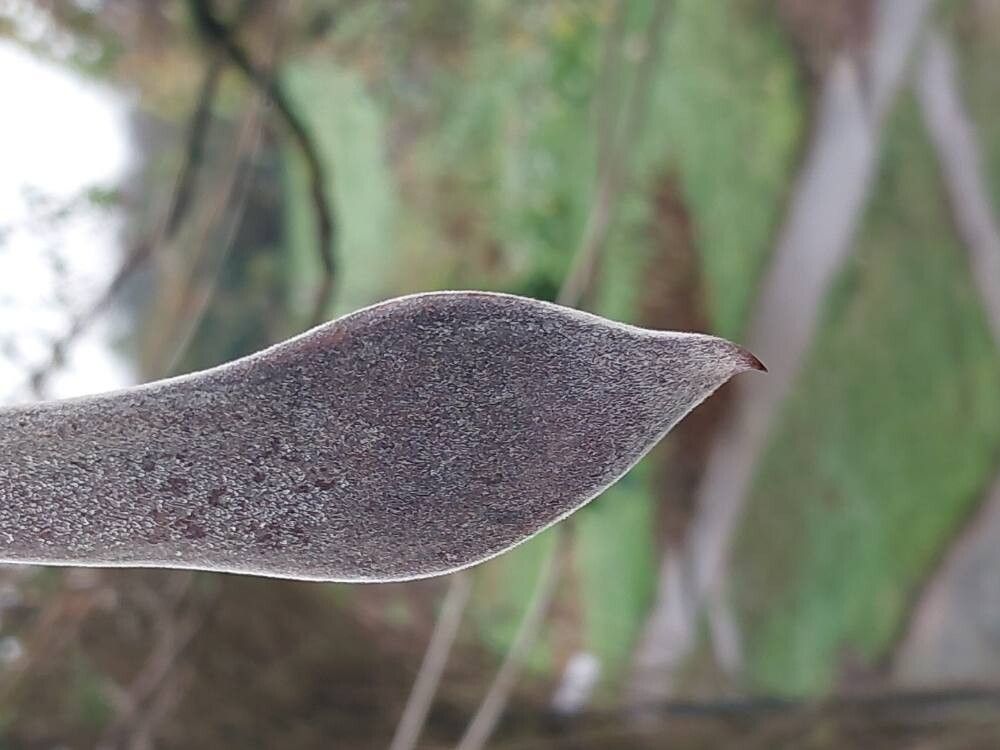
Propagating Wisteria × formosa: A Gardener’s Challenge
Introduction:
Wisteria × formosa, a hybrid often simply called “formosa wisteria,” is a captivating climber prized for its profuse, fragrant blooms and vigorous growth habit. Its cascading flowers, typically a rich lavender-purple, create a breathtaking spectacle, making it a highly sought-after addition to gardens, especially in temperate climates. However, its popularity contrasts with the relative difficulty in propagation. Unlike some wisteria species, Wisteria × formosa presents unique challenges, making successful propagation a rewarding accomplishment for the dedicated gardener.
Seed Germination:
Currently, there are no known reliable methods for seed germination propagation of Wisteria × formosa. The hybrid nature of the plant likely contributes to low seed viability and inconsistent germination rates, even under optimal conditions. While seeds may be produced, the genetic complexity inherent in hybrids often results in offspring with unpredictable characteristics and significantly reduced germination potential.
Cuttings:
Cuttings represent a more promising approach to propagating Wisteria × formosa. However, success depends heavily on precise timing and technique.
Challenges: Wisteria cuttings can be notoriously difficult to root. The hardiness of the wood and the plant’s tendency to produce callus rather than roots makes it challenge.
Practical Tips: Semi-hardwood cuttings taken in late summer or early autumn offer the best chance of success. Choose healthy, non-flowering shoots of about 6-8 inches in length. Remove lower leaves, dip the cut ends in rooting hormone, and plant them in a well-draining propagation mix (e.g., perlite and peat moss). Maintain high humidity using a propagation dome or plastic bag, and provide bottom heat for optimal root development.
Rewards: Successful rooting from cuttings ensures the preservation of desirable traits from the parent plant, creating genetically identical offspring. It’s also a more efficient method for large scale propagation than other methods.
Division:
Division of established plants is another, albeit limited, method for increasing Wisteria × formosa.
Challenges: This method is only feasible for mature plants with well-developed root systems, and severely stresses the parent plant. Improper division can lead to the death of both the parent plant and the divisions.
Practical Tips: Division should be conducted in early spring or late autumn, when the plant is dormant. Careful excavation and separation of the root system is crucial, ensuring each division retains a healthy portion of roots and active buds. Replanting should be done promptly and with minimal root disturbance.
Rewards: A relatively straightforward method for increasing numbers of plants when dealing with established specimens. However, the number of plants gained is usually limited.
Tissue Culture:
Tissue culture offers a highly specialized yet potentially effective method for propagating Wisteria × formosa.
Challenges: This method requires specialized equipment, sterile conditions, and a considerable level of horticultural expertise. The establishment of aseptic cultures and subsequent propagation can be complex and time-consuming.
Practical Tips: This highly technical method typically involves isolating and culturing meristematic tissue under controlled conditions. Specialized media are used to promote shoot multiplication and root formation in a sterile laboratory setting.
Rewards: This method ensures the production of a large number of genetically uniform plants free from disease, and is essential for scaling up the production of superior cultivars.
Conclusion:
Propagating Wisteria × formosa presents a spectrum of challenges. While seed propagation is impractical, cuttings present a more viable route, albeit demanding precise techniques and patience. Division offers a limited alternative, suitable only for established plants. Tissue culture, although highly specialized, offers the greatest potential for large-scale production. The rewards, however, are significant: the ability to cultivate this magnificent climber, to share it with others, and to witness the stunning spectacle of its blossoms – a fitting reward for the dedicated effort. The unique satisfaction of successfully propagating Wisteria × formosa lies precisely in overcoming these challenges, transforming a seemingly difficult task into a deeply rewarding horticultural triumph. Aspiring propagators should consider starting with cuttings and, if resources allow, explore tissue culture for a more significant increase in plant numbers. Remember patience and persistence are paramount to success.