
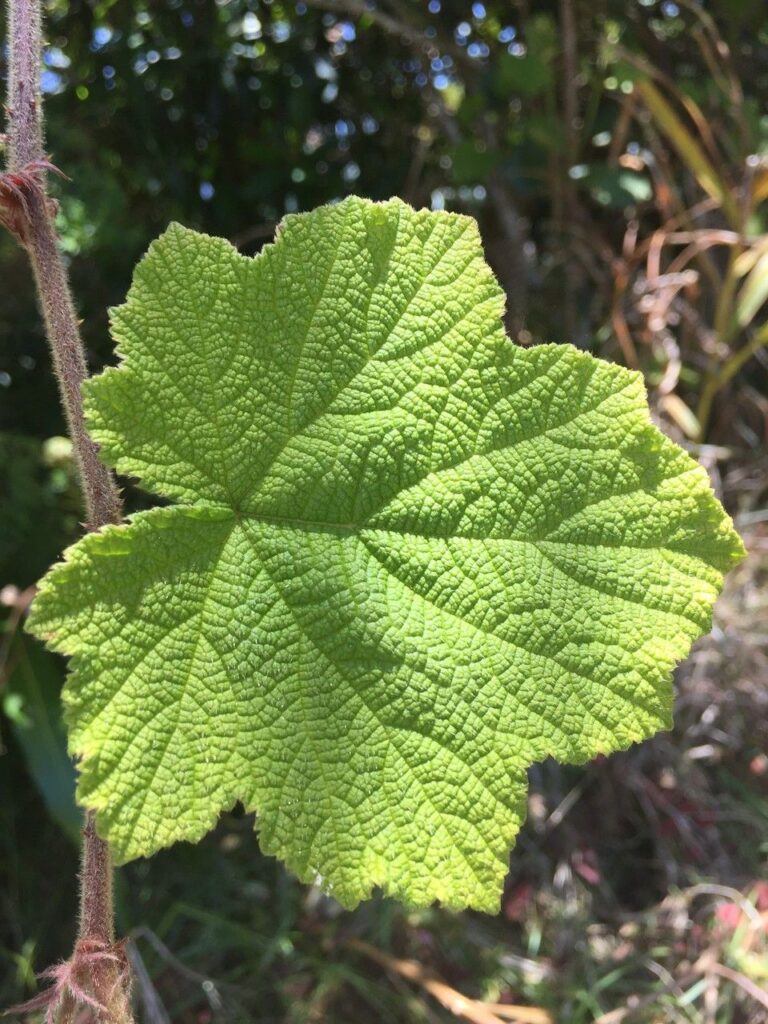
Taming the Brambles: Successfully Propagating Rubus alceifolius
The Rubus genus boasts some of our most beloved fruits — raspberries, blackberries, and dewberries. But tucked within this diverse family is a lesser-known member, Rubus alceifolius, also known as the giant raspberry or Mysore raspberry. While its vigorous growth habit has deemed it invasive in some regions, gardeners interested in a unique and rewarding challenge might find taming this sprawling beauty a worthwhile endeavor. And the first step to doing just that is successful propagation.
Two Paths to Raspberry Domination
Rubus alceifolius can be propagated through two main methods, each with its own advantages and considerations:
1. Seed Propagation: Embracing the Unpredictable
Like many plants, Rubus alceifolius produces an abundance of seeds. While readily available, seed propagation requires a bit more patience and a touch of luck:
- Harvesting the Goods: Gently crush ripe berries and collect the small, hard seeds.
- Pre-treating for Success: These tough seeds benefit from scarification. Lightly rub them between two pieces of sandpaper or soak overnight in warm water to improve germination rates.
- Sowing the Future: Sow seeds in a well-draining seed starting mix, covering lightly. Keep the soil consistently moist and provide plenty of bright, indirect light.
- Patience is Key: Germination can be erratic, taking anywhere from a few weeks to a few months.
2. Cutting Propagation: A Shortcut to Success
For faster results and greater predictability, cuttings reign supreme:
- Timing is Everything: Take semi-hardwood cuttings in late spring or early summer when the plant is actively growing.
- Making the Cut: Choose healthy, non-flowering stems about 4-6 inches long. Make a clean cut just below a leaf node.
- Encouraging Roots: Remove leaves from the lower third of the cutting and dip the end in rooting hormone (optional, but beneficial).
- Creating a Humid Haven: Plant the cuttings in a well-draining growing medium, ensuring at least one node is buried. Maintain high humidity by covering the pot with a plastic bag or using a humidity dome.
- Waiting for Roots: Cuttings usually root within 4-6 weeks. You’ll know they’ve taken when you see new growth.
Transplanting & Beyond:
Whether starting from seed or cuttings, transplant your Rubus alceifolius into larger pots or outdoors once they are well-established. Choose a sunny location with well-drained soil. This vigorous grower will quickly establish itself and reward you with stunning foliage and, eventually, delicious berries.
A Note of Caution:
Remember, Rubus alceifolius can be an aggressive spreader. Consider planting it in a contained area or be prepared to manage its growth.
With a bit of care and attention, propagating Rubus alceifolius can be a rewarding experience for gardeners of all skill levels. So why not roll up your sleeves, get your hands dirty, and welcome this fascinating plant into your garden?