
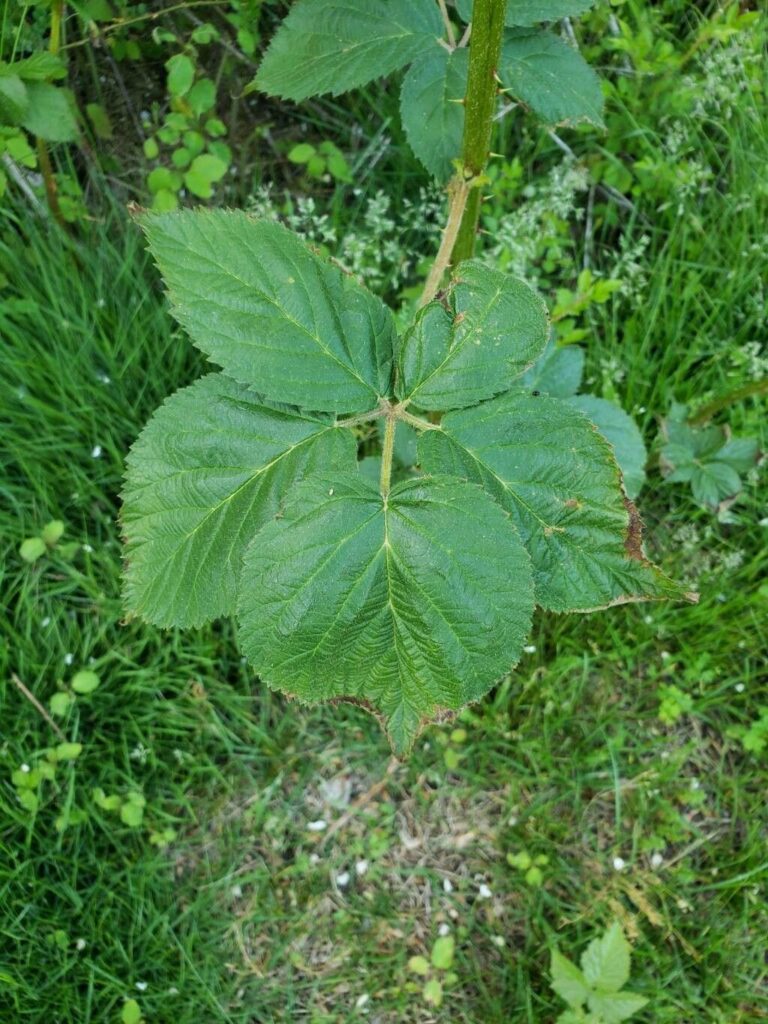
Taming the Wild: Easy Propagation Techniques for Rubus argutus (Sawtooth Blackberry)
The sawtooth blackberry, known scientifically as Rubus argutus, is a fascinating plant with a bit of a dual personality. In the wild, it’s a vigorous grower, readily spreading and earning its reputation as a “weed.” But beneath that untamed exterior lies a treasure trove of delicious, sweet-tart berries. If you’re looking to harness the bounty of the sawtooth blackberry in your own backyard, then understanding its propagation methods is key. Fortunately, this plant is surprisingly easy to multiply, offering several straightforward techniques for both novice and seasoned gardeners.
Going Back to the Roots: Propagation by Root Cuttings
One of the most effective ways to propagate Rubus argutus is through root cuttings. This method takes advantage of the plant’s ability to develop new shoots from relatively small sections of its root system.
Here’s how you can do it:
- Timing is Everything: Late fall or early spring is the ideal time to take root cuttings, while the plant is dormant.
- Unearth the Treasure: Carefully dig around the base of a healthy sawtooth blackberry plant and select several pencil-thick roots.
- Cut with Purpose: Using sharp, clean shears, cut the roots into sections of about 2-3 inches in length.
- Prepare the Propagation Bed: Choose a well-drained potting mix or a dedicated section in your garden with loose, fertile soil.
- Lay Down the Roots: Place the root cuttings horizontally in the soil, burying them about an inch deep.
- Patience is a Virtue: Keep the soil consistently moist but not waterlogged. It may take several weeks or even months for new shoots to emerge.
Branching Out: Propagation by Tip Layering
Tip layering is another excellent method, particularly for beginners, as it boasts a high success rate. This technique encourages new roots to form on a stem while it’s still attached to the mother plant.
Here’s how it works:
- Select a Suitable Stem: Look for a long, flexible stem on your sawtooth blackberry plant in late summer.
- Wound and Bury: Gently wound the stem about 12 inches from the tip by lightly scraping the surface. Bend the wounded section down to the ground and bury it in a small trench about 3-4 inches deep.
- Secure and Water: Use a small rock or landscape pin to secure the buried section in place. Keep the soil consistently moist.
- Separation Anxiety: After a few weeks, gently tug on the buried stem. If you feel resistance, it indicates new roots have formed. You can now sever the rooted stem from the mother plant and transplant it to its permanent location.
Beyond the Basics: Seed Propagation and Beyond
While root cuttings and tip layering are the most reliable methods, Rubus argutus can also be grown from seed. However, be aware that seeds may not always produce plants identical to the parent plant. Other techniques, such as hardwood cuttings and tissue culture, are also possible but are often more challenging and best suited for experienced propagators.
By understanding the various propagation methods for Rubus argutus, you can unlock the potential of this flavorful blackberry variety, transforming a “wild” plant into a cultivated treasure in your own garden. So, get ready to enjoy the fruits of your labor—literally!