
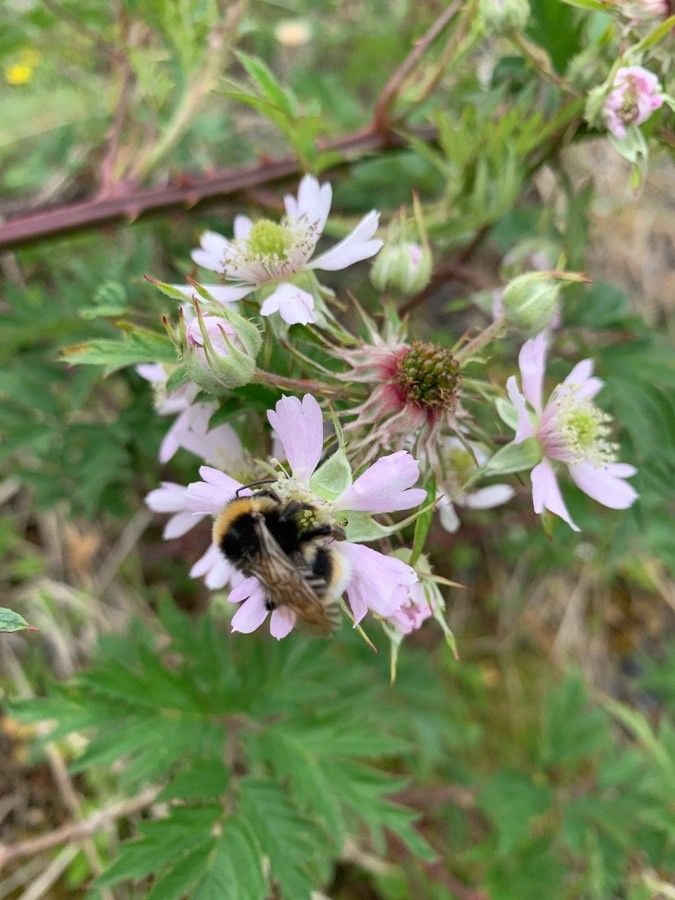
Propagating Rubus atrovirens: A Gardener’s Guide to the Evergreen Blackberry
Rubus atrovirens, commonly known as the evergreen blackberry or trailing blackberry, is a captivating groundcover prized for its glossy, dark green foliage that persists throughout the year. Its cascading habit and delicate white flowers, followed by edible, albeit smaller, berries, make it a desirable addition to gardens, particularly in areas with mild winters. While not as widely cultivated as other Rubus species, its unique evergreen character fuels its growing popularity among gardeners seeking year-round interest. Its propagation, however, presents a unique set of challenges.
Seed Germination:
Currently, there are no known reliable methods for seed germination propagation of Rubus atrovirens. While technically possible, the germination rate is extremely low, and seedlings often exhibit unpredictable growth patterns. The challenges primarily stem from the hard seed coat and dormancy requirements that are yet to be fully understood. Further research is needed to determine optimal stratification techniques and germination conditions for this species.
Cuttings:
Cuttings offer a more reliable method for propagating Rubus atrovirens. The best success is achieved using semi-hardwood cuttings taken in late summer or early autumn.
- Challenges: The success rate can be moderate, depending on factors like environmental conditions (humidity and temperature) and the quality of the cutting material. Root formation can be slow.
- Practical Tips: Select healthy, non-flowering stems. Cuttings should be approximately 4-6 inches long, with several nodes. Remove lower leaves and dip the cut end in rooting hormone. Plant cuttings in a well-draining, moist medium such as a perlite and peat moss mix. Maintain high humidity using a propagator or plastic covering.
- Rewards: This method produces true-to-type plants, preserving the desirable characteristics of the mother plant. It is relatively straightforward compared to other propagation techniques.
Division:
Division is a simple and highly effective method for propagating Rubus atrovirens.
- Challenges: This method is limited to established plants with well-developed root systems. Care must be taken to avoid damaging the roots during division, which can hinder the establishment of new plants.
- Practical Tips: The best time to divide is during the dormant season (late winter or early spring). Carefully dig up the mother plant, gently separate the root crown into smaller sections, each with multiple stems and roots. Replant the divisions immediately.
- Rewards: Division offers a quick and efficient way to produce numerous new plants, preserving the genetic characteristics of the original. The established root systems of divisions lead to faster establishment compared to cuttings.
Tissue Culture:
Tissue culture is a potentially viable method for large-scale propagation of Rubus atrovirens, although it requires specialized equipment and expertise.
- Challenges: This method requires a sterile laboratory environment and specific media formulations. The establishment and maintenance of sterile cultures can be difficult. It is also a more expensive and labor-intensive method.
- Practical Tips: This technique is best left to professionals due to the requirement of sterile lab and equipment. However, if exploring this avenue, use an established protocol suitable for other Rubus species as a starting point.
- Rewards: Tissue culture allows for the production of a large number of genetically identical plants in a relatively short period. This is particularly useful for the mass production of superior cultivars.
Conclusion:
Propagating Rubus atrovirens presents unique challenges depending on the chosen method. While seed germination is currently unreliable, cuttings and divisions provide reasonable success rates for the home gardener. Tissue culture offers potential for large-scale propagation but demands specialized knowledge and resources. The rewards of successfully cultivating this appealing evergreen blackberry are substantial, however, offering the unique satisfaction of nurturing a plant that may prove challenging but ultimately brings beautiful foliage and delicious bounty to a garden. Despite the hurdles, the persistence and ingenuity invested in propagation are well worth the effort for those captivated by the charm of the evergreen blackberry. Remember to observe your plants closely and adapt your techniques to find what suits your specific conditions and preferences. The journey is as rewarding as the final product.