
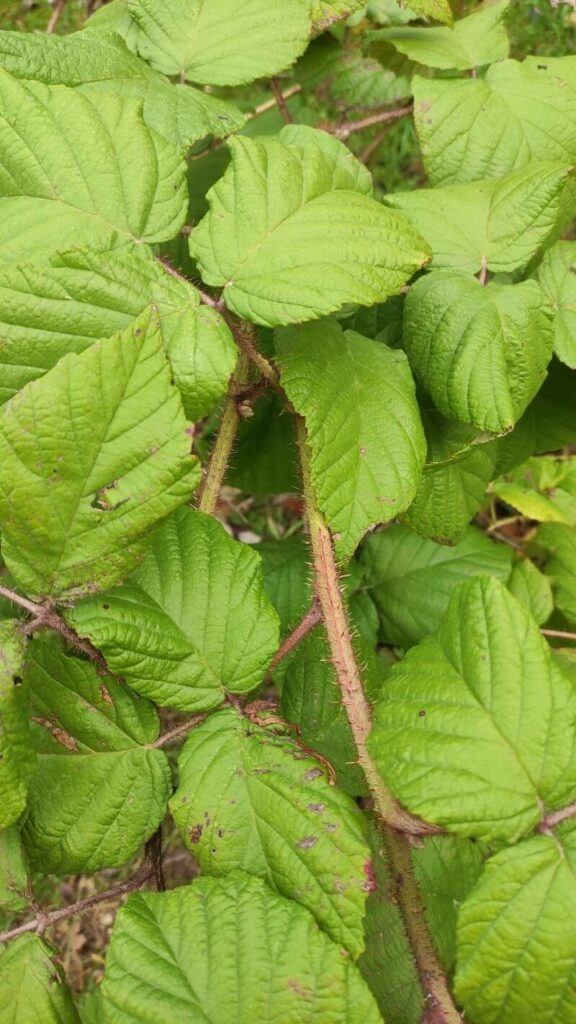
Unlocking the Secrets of Rubus Caucasicus Propagation: From Seeds to Shoots
The beautiful, hardy Rubus caucasicus, also known as the Caucasian Raspberry, is a prized addition to any garden. Its cascading foliage and graceful, white blossoms are a sight to behold, attracting pollinators and adding a touch of elegance to any landscape. But if you’re looking to expand your collection of these captivating plants, you’ll need to understand the secrets of their propagation.
Unlike some plants that can be easily divided or grown from cuttings, Rubus caucasicus can be a bit trickier. But with the right knowledge and a bit of patience, you can successfully multiply your collection and share the beauty of these plants with others.
The Seed Approach: A Long and Rewarding Journey
Starting Rubus caucasicus from seed is a journey of patience and rewarding results. Here’s how to do it:
- Harvesting Seeds: Once the bright red berries mature, carefully crush them and collect the seeds. Thoroughly rinse and dry the seeds on a paper towel.
- Stratification: To encourage germination, the seeds require a period of cold stratification. This mimics the natural winter conditions they experience in the wild. Store the seeds in a sealed container filled with slightly moist vermiculite or peat moss in the refrigerator for 6-8 weeks.
- Sowing Seeds: After stratification, sow the seeds in small pots filled with well-draining potting mix. Keep the soil moist and maintain a warm temperature of 70-75 degrees Fahrenheit (21-24 degrees Celsius).
- Germination: Germination often takes several weeks, in some cases even months. Be patient and keep the seeds moist and well-lit.
The Cutting Approach: A Faster Option
While not as widely practiced as seed propagation, Rubus caucasicus can be propagated through cuttings. This method offers a quicker way to multiply your plants:
- Timing is Key: The best time for taking cuttings is during the early summer months when the plant is actively growing.
- Cutting Selection: Choose healthy, non-flowering stems that are about 6-8 inches long. Make a clean cut just below a leaf node, which is the point where leaves grow from the stem.
- Preparation: Remove the leaves from the bottom 2 inches of the stem and dip the cut end into rooting hormone powder for successful root development.
- Propagation: Plant the cuttings in a well-draining potting mix. Keep them moist, in a shaded area, and maintain a warm temperature.
- Rooting Process: It may take 4-6 weeks for the cuttings to develop roots. Once established, they can be transplanted to their permanent locations.
Important Considerations:
- Soil: Rubus caucasicus prefers well-draining soil that is rich in organic matter.
- Sun Exposure: This plant thrives in partial shade to full sun.
- Watering: Keep the soil consistently moist but not waterlogged.
- Pest and Disease Control: Regularly monitor for insects and diseases and take appropriate steps for control.
In Conclusion:
Whether you choose the seed or cutting route, propagating Rubus caucasicus is an exciting and rewarding journey. With patience and attention to detail, you can enjoy the cascading beauty of this captivating plant in your own garden and share its elegance with others. Just remember to provide it with the right conditions and care, and this beautiful plant will flourish and grace your landscape for years to come.