
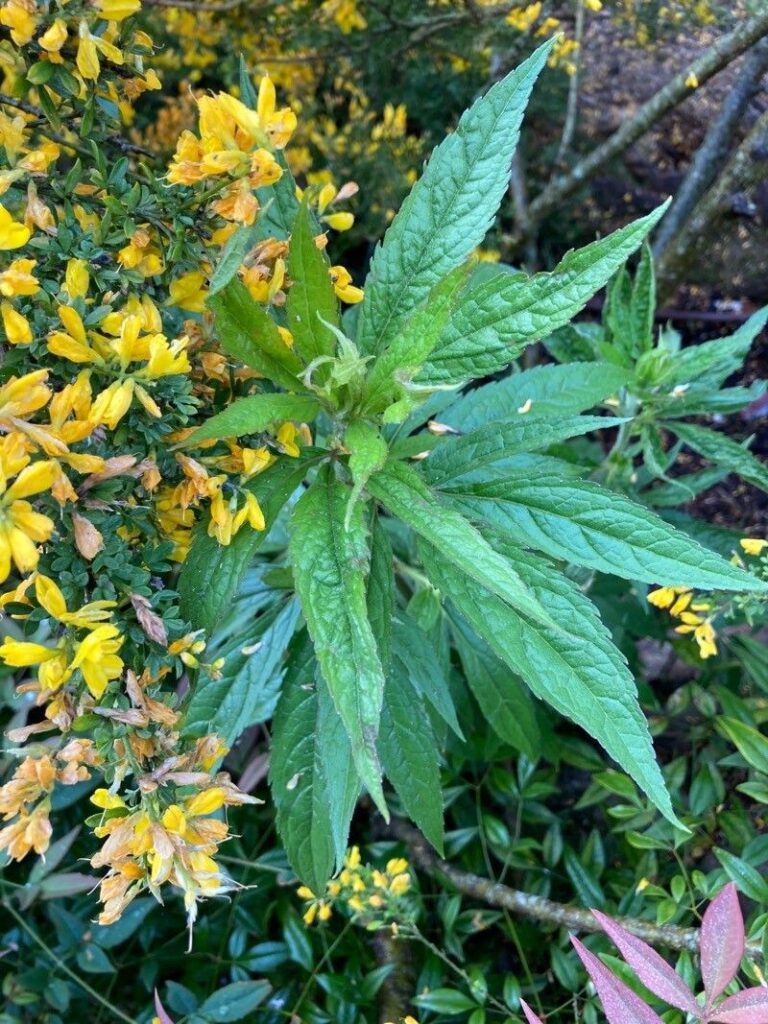
Unlocking the Secrets to More Black-Eyed Susan Beauties: Propagating Rudbeckia alpicola
Rudbeckia alpicola, the charming alpine coneflower, brings joy with its sunny disposition and bright yellow petals surrounding a deep brown central cone. While you might know this beauty as a captivating wildflower, did you know you can easily cultivate more of these cheerful blooms in your own garden? Let’s delve into the rewarding world of propagating Rudbeckia alpicola and unlock the secrets to a garden brimming with these sunny delights.
Two Paths to Propagation Success
Rudbeckia alpicola can be propagated through two main methods, each offering its own advantages:
1. Seed Starting: A Journey from Tiny Specks to Vibrant Blooms
- Timing is key: For best results, start your seeds indoors 6-8 weeks before the last expected frost.
- Sowing the seeds: Use a seed-starting mix, lightly press the seeds into the soil, and mist generously with water.
- Light and warmth: Place your seed tray in a warm location (around 70°F) with bright, indirect light.
- Patience is a virtue: Germination can take anywhere from 10-21 days. Once your seedlings develop their first set of true leaves, you can transplant them into individual pots.
Pro Tip: Cold stratification, the process of exposing seeds to cold temperatures, can improve germination rates for Rudbeckia alpicola. To do this, simply place your seed tray in the refrigerator for 4 weeks before moving it to a warm location for germination.
2. Division: Multiplying the Beauty of Mature Plants
- When to divide: Early spring or fall, when the plant is dormant, are the ideal times to divide your Rudbeckia alpicola.
- Dividing the clump: Carefully dig up the entire plant, ensuring you get as much of the root system as possible. Gently separate the plant into smaller clumps, each with a healthy set of roots and shoots.
- Replanting: Replant your divisions at the same depth they were previously growing, ensuring adequate spacing between each clump (around 12-18 inches apart).
Pro Tip: Divisional propagation also offers an opportunity to rejuvenate older plants and maintain their vigor.
Caring for Your New Rudbeckia Alpicola
Regardless of your chosen propagation method, your new Rudbeckia alpicola plants will thrive in well-drained soil and a sunny location. While they are relatively drought-tolerant once established, regular watering, especially during their first year, is essential.
A Garden Abloom with Sunshine
Propagating Rudbeckia alpicola is a rewarding endeavor that allows you to multiply the beauty of this charming wildflower. With a little patience and care, you can have a garden overflowing with these sunny blooms, brightening your landscape and inviting pollinators to your doorstep. So why wait? Embrace the joy of propagation and watch your garden transform into a vibrant haven for these captivating alpine coneflowers.