
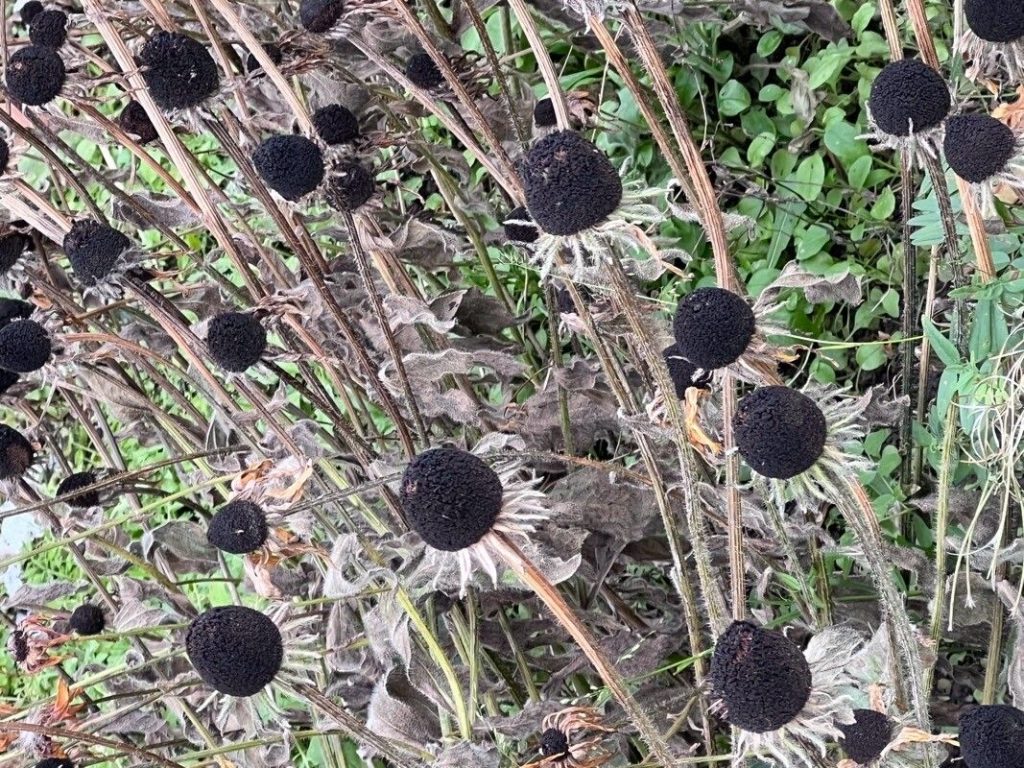
Propagating the Rare Beauty: Rudbeckia occidentalis
Introduction:
Rudbeckia occidentalis, commonly known as the western coneflower or California coneflower, is a striking perennial boasting a unique, almost otherworldly appearance. Unlike its flamboyant cousins with their vibrant yellow petals, R. occidentalis features dark, almost black, central cones dramatically contrasted by drooping, spidery, dark-brown to purplish-black ray florets. This unusual aesthetic makes it a highly sought-after plant among gardeners, particularly those appreciating the subtly dramatic in their landscapes. However, its propagation presents unique challenges compared to other Rudbeckia species, contributing to its somewhat rarer status in cultivation. Because of its relative rarity and specific needs, understanding the best propagation methods is crucial for its preservation and widespread enjoyment.
Seed Germination:
Currently, there are no known reliable methods for seed germination propagation of Rudbeckia occidentalis. While the plant does produce seeds, their germination rate is extremely low, even under optimal conditions. The reasons for this poor germination are likely a combination of factors, including potential seed dormancy mechanisms and the plant’s specific, often challenging, environmental requirements for successful seedling establishment.
Cuttings:
Propagating Rudbeckia occidentalis via cuttings presents moderate challenges but is considerably more successful than seed germination.
-
Challenges: Softwood cuttings taken in early summer offer the best chance of success, but rooting hormones are highly recommended to encourage root development. High humidity and consistent temperatures are critical throughout the rooting process. Rot is a significant concern, requiring careful attention to sanitation and well-draining media.
-
Practical Tips: Use a sharp blade to take 4-6 inch cuttings from new growth, removing lower leaves to prevent rot. Dip the cut ends in a rooting hormone solution before inserting them into a well-draining mix of perlite and peat moss. Cover the cuttings with a humidity dome or plastic bag to maintain high humidity levels. Regular misting is crucial, keeping the media consistently moist but not soggy.
-
Rewards: Cuttings provide a relatively quick way to increase the number of plants, maintaining the genetic characteristics of the mother plant. This method is particularly valuable for preserving desirable cultivars or rare selections.
Division:
Division is a viable and relatively straightforward method for propagating established Rudbeckia occidentalis plants.
-
Challenges: Successful division relies on the plant being sufficiently mature and having developed a robust root system. Dividing too early can weaken the plant, inhibiting its growth and flowering. The ideal time is early spring or autumn after flowering.
-
Practical Tips: Carefully dig up the mature plant and gently separate the root ball into smaller sections, ensuring each division has a healthy portion of roots and foliage. Replant the divisions immediately in well-drained soil, ensuring the crown remains just at soil level. Water thoroughly after planting.
-
Rewards: Division is a simple and successful method once the plant is established, resulting in quick increases in the plant population.
Tissue Culture:
While potentially achievable, tissue culture propagation of Rudbeckia occidentalis is not a commonly employed method for home gardeners. This technique requires specialized equipment, a sterile laboratory environment, and significant expertise in plant tissue culture.
-
Challenges: Establishing sterile cultures and maintaining a contamination-free environment are major obstacles. Optimizing the growth media and hormonal balance for successful shoot multiplication and rooting is complex and requires experience.
-
Practical Tips: This method is best left to professional nurseries specializing in plant propagation.
-
Rewards: Tissue culture allows for rapid multiplication of desirable genotypes, allowing for large-scale propagation and the effective preservation of genetic diversity.
Conclusion:
Propagating Rudbeckia occidentalis presents unique challenges, but the rewards are well worth the effort. While seed germination offers limited success, cuttings and division provide viable and moderately accessible pathways to successfully increase your stock of this stunning plant. The unique, almost somber beauty of R. occidentalis makes the effort to cultivate it particularly satisfying. While the propagation challenges might seem daunting, remember that each successful propagation – from a tiny cutting taking root to a vigorous division thriving – represents a meaningful victory and a contribution towards preserving this fascinating species. Don’t be discouraged by initial setbacks; persevere, experiment, and celebrate the unique beauty this remarkable plant brings to your garden.