
Conquering the Wild: How to Propagate Sheep Sorrel (Rumex acetosella)
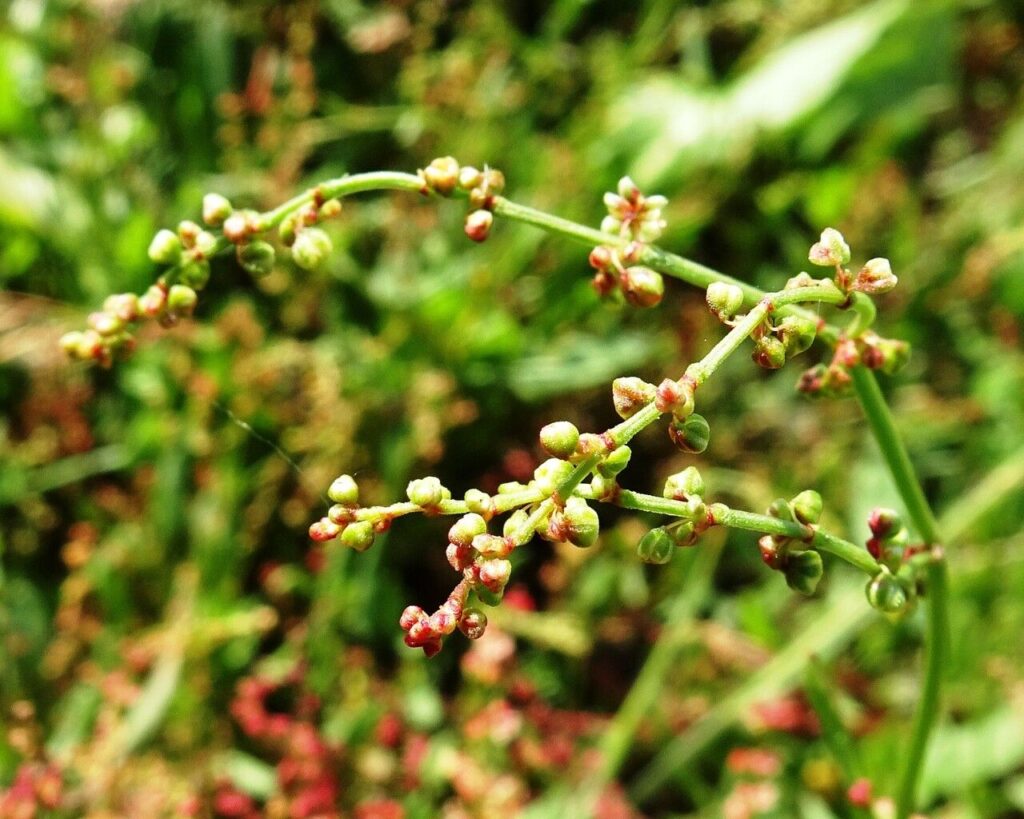
Sheep sorrel, with its cheerful, heart-shaped leaves and delicate green flowers, might seem like a dainty addition to your garden. But beneath this unassuming exterior lies a plant with a fierce determination to thrive, sometimes even a bit too enthusiastically. If you’re looking to tame this wild spirit and bring its unique charm to your garden, propagation is the key.
While you might readily find this plant growing freely in meadows and fields, propagating sheep sorrel can be a fun and rewarding experience. It offers you control over its presence in your garden, preventing it from taking over while allowing you to enjoy its beauty. So, let’s delve into the world of sheep sorrel propagation!
The Power of Seeds:
This resilient plant produces an abundance of tiny, dark brown seeds that are the most common way to propagate sheep sorrel. Here’s the process:
1. The Seed Harvest:
- Choose mature, brown seed pods from the plants.
- Gently rub them between your fingers to release the seeds.
- Spread the seeds on a paper towel to dry for a few days.
2. Sowing Success:
- You can direct sow the seeds outdoors in spring or fall. Choose a well-drained sunny location.
- Sow the seeds in shallow troughs or directly into the soil.
- Lightly cover the seeds with soil and water them gently.
- Important: Keep the soil consistently moist, as it’s crucial for germination.
3. Patience is Key:
- It may take a few weeks for the seeds to germinate.
- Once seedlings emerge, thin them out to 6-8 inches apart for optimal growth.
Division – Another Path to Propagation:
Sheep sorrel, like many perennials, can also be propagated through division.
1. When to Divide:
- Division is best done in spring or early fall when the plant is actively growing.
2. The Process:
- Carefully dig up the plant, taking care not to damage the root system.
- Use a sharp knife or trowel to divide the plant into sections, ensuring each section has healthy roots and foliage.
- Plant the divisions in their new location, ensuring proper spacing.
Beyond the Garden:
While sheep sorrel can be a delightful addition to your garden, it’s essential to be mindful of its vigorous nature. This plant has the potential to become invasive, so it’s wise to contain its growth.
- Container Gardening: Consider growing sheep sorrel in pots or raised beds to keep its spread under control.
- Regular Maintenance: Maintain your sheep sorrel patch by regularly removing any unwanted seedlings or plants that appear outside the designated area.
Bonus Tip:
Sheep sorrel is a welcome addition to a wildflower meadow or a pollinator-friendly garden. The delicate flowers attract a variety of pollinators, adding life and color to your outdoor space.
Conclusion:
Propagating sheep sorrel is a straightforward process that offers a rewarding experience. By choosing your preferred method, whether through seeds or division, you can enjoy the beauty of this unique plant in your own garden. Just remember to keep its vigorous nature in mind and enjoy its charm responsibly. This way, you can successfully tame this wild plant and harness its delightful charm to enhance your garden’s beauty.