
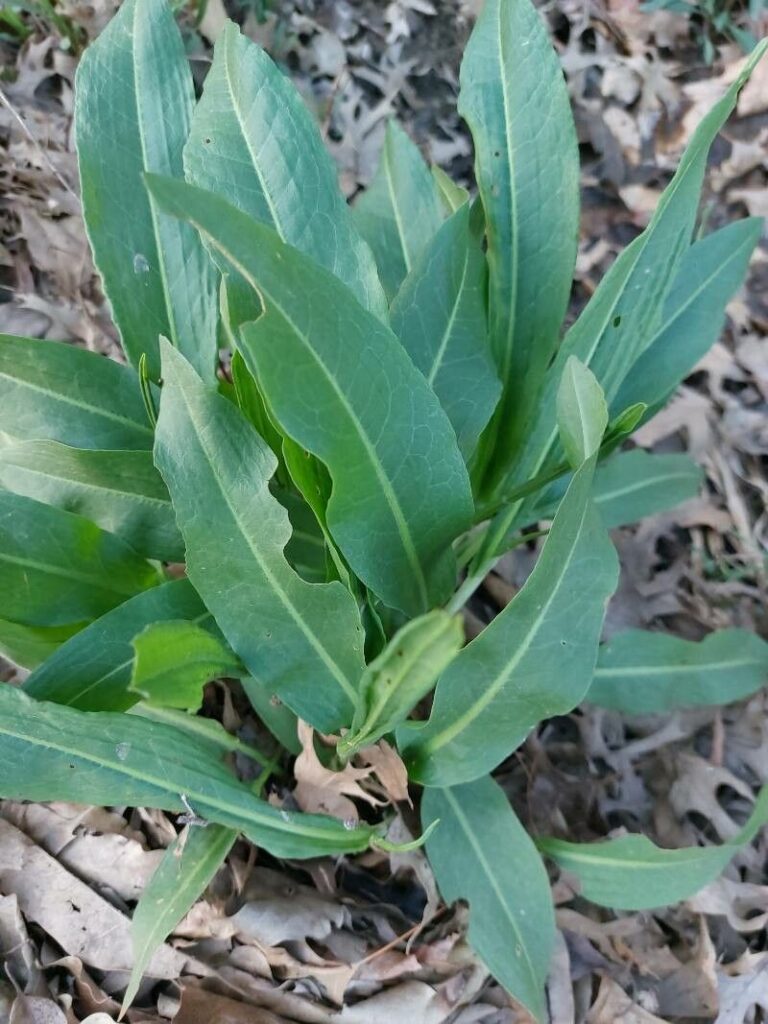
From Seed to Stand: Unlocking the Secrets of Rumex altissimus Propagation
Rumex altissimus, commonly known as “Tall Dock,” is a striking plant with a robust presence in the wild. With its towering stalks and large, heart-shaped leaves, it commands attention – but did you know that its propagation can be a fascinating journey? While this wild beauty might be a bit of a challenge to control in your garden due to its vigorous growth habit, understanding its propagation methods can be key to appreciating its resilience and even cultivating it for its unique qualities.
Seeds: Nature’s Tiny Treasures
Rumex altissimus relies primarily on seed dispersal for propagation. Its tiny, reddish-brown seeds are packed within three-winged structures called achenes. These achenes are dispersed by the wind, ensuring that the plant can travel far and wide. The seeds themselves are surprisingly resilient, capable of surviving harsh conditions and germinating even in dry, disturbed soil.
A Step-by-Step Guide to Seed Propagation
- Collection: Look for mature seed heads that have turned brown and dry. These are ripe and ready to be harvested. Gently remove the heads and place them in a paper bag to dry.
- Storage: Once completely dried, store the seeds in an airtight container in a cool, dark place. Rumex altissimus seeds have good viability and can remain viable for up to two years.
- Sowing: Sow the seeds directly outdoors during the late summer or early fall for a spring emergence. Alternatively, start them indoors in a seed tray a few weeks before the last frost. Ensure the soil is well-draining and moist; seeds favor a slightly acidic pH (around 6.0-6.5).
- Germination: Expect germination in 14-21 days. Keep the soil consistently moist but not waterlogged.
- Thinning: Once the seedlings have a few true leaves, thin them out to give them room to grow, removing any weak or overcrowded plants.
An Alternative: Root Cuttings
For a slightly quicker propagation method, consider using root cuttings. However, this requires a bit more finesse.
- Harvesting: Dig up a healthy Rumex altissimus plant and carefully extract a section of its root. Aim for segments about 4-6 inches long and 1/4-1/2 inch thick.
- Preparing the Cuttings: Remove all leaves and side shoots from the root section. Cut the top end of the root at an angle.
- Planting: Plant the cuttings horizontally in a well-draining soil-less mix. Ensure the top of the root is just below the soil surface.
- Watering: Keep the cuttings moist but avoid overwatering.
- Growth and Development: New shoots should appear within a few weeks. Once they become established, they will start to produce their characteristic large leaves.
Knowing When to Exercise Caution
Rumex altissimus is considered an invasive species in some regions. While its unique appearance and resilience are attractive, its rapid growth and ability to spread can be challenging in a controlled environment. If you choose to cultivate this plant, consider containing its growth by planting it in a designated area and regularly removing its seed heads.
Embrace Your Green Thumb
Whether you choose to start with seeds or experiment with root cuttings, propagating Rumex altissimus can provide a valuable learning experience while expanding your understanding of this captivating plant. Remember, with a little patience and the right techniques, you can witness the magic of bringing a wild beauty into your own backyard.