
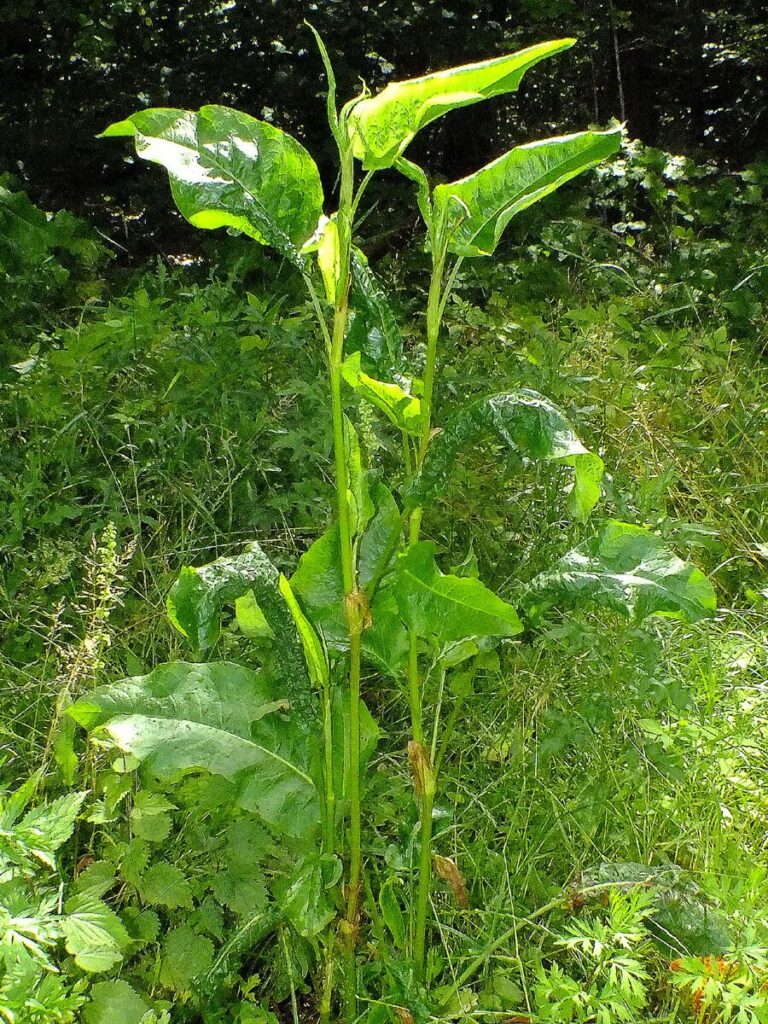
Taming the Curly Dock: A Guide to Propagating Rumex Crispus
Curly dock (Rumex crispus), sometimes called yellow dock or curled dock, is often seen as a pesky weed. This resilient plant, however, boasts fascinating historical uses in herbal remedies and can even be eaten (in moderation!). If you’re looking to cultivate curly dock, whether for its intriguing properties or simply to support local biodiversity, propagation is surprisingly straightforward.
This guide explains the two main methods of propagating curly dock:
1. Seed Propagation: A Game of Patience
Curly dock is a prolific seed producer. You can often find packets of seeds online or at specialized nurseries. However, harvesting your own is a satisfying (and free!) alternative. Here’s how to do it:
- Seed Collection: In late summer or early fall, identify mature curly dock plants by their tall, branching stems and characteristic reddish-brown seed heads. Once the seeds turn brown and dry, carefully clip the seed heads and place them in a paper bag to dry further.
- Seed Preparation (Optional): Curly dock seeds have a hard outer coating that can delay germination. While not essential, you can speed up the process through cold stratification. Simply mix the seeds with damp sand or vermiculite and store them in the refrigerator for 4-6 weeks before sowing.
- Sowing: In spring, after the last frost, sow your seeds directly outdoors or start them indoors 4-6 weeks before the last frost date. Sprinkle the seeds on the soil surface and lightly press them down, ensuring they receive adequate light.
- Watering and Thinning: Keep the soil consistently moist but not waterlogged. Once seedlings emerge and have a couple of true leaves, thin them out to provide adequate spacing (around 12-18 inches).
2. Root Cuttings: Fast-Tracking Your Curly Dock Patch
This method provides a head start compared to seeds, yielding mature plants sooner:
- Timing is Key: Aim to take root cuttings in early spring when the plant is dormant but showing signs of new growth.
- Taking the Cutting: Choose a healthy, mature curly dock plant. Carefully dig around the base and expose a portion of the root system. Using a sharp, sterilized knife or shears, cut a 4-6 inch section of root that is at least ½ inch thick.
- Planting the Cutting: Prepare a pot or garden bed with loose, well-draining soil. Plant the root cutting vertically, ensuring that the top end (the part closest to the plant’s crown) is about an inch below the soil surface.
- Nurturing Growth: Water thoroughly after planting and maintain consistent moisture. Place the pot or protect the planting area with a cloche or plastic wrap to create a humid environment. Shoots should emerge within a few weeks.
Whichever method you choose, remember that curly dock prefers:
- Full Sun: While it tolerates some shade, curly dock thrives in at least 6 hours of direct sunlight.
- Moist, Well-Drained Soil: Though adaptable to different soil types, curly dock prefers fertile, well-drained soil.
- Moderate Watering: Water regularly, especially during dry spells, but avoid overwatering as it can lead to root rot.
Propagating curly dock is a rewarding experience. With a bit of patience and care, you’ll soon have a flourishing patch of this resilient and historically intriguing plant!