
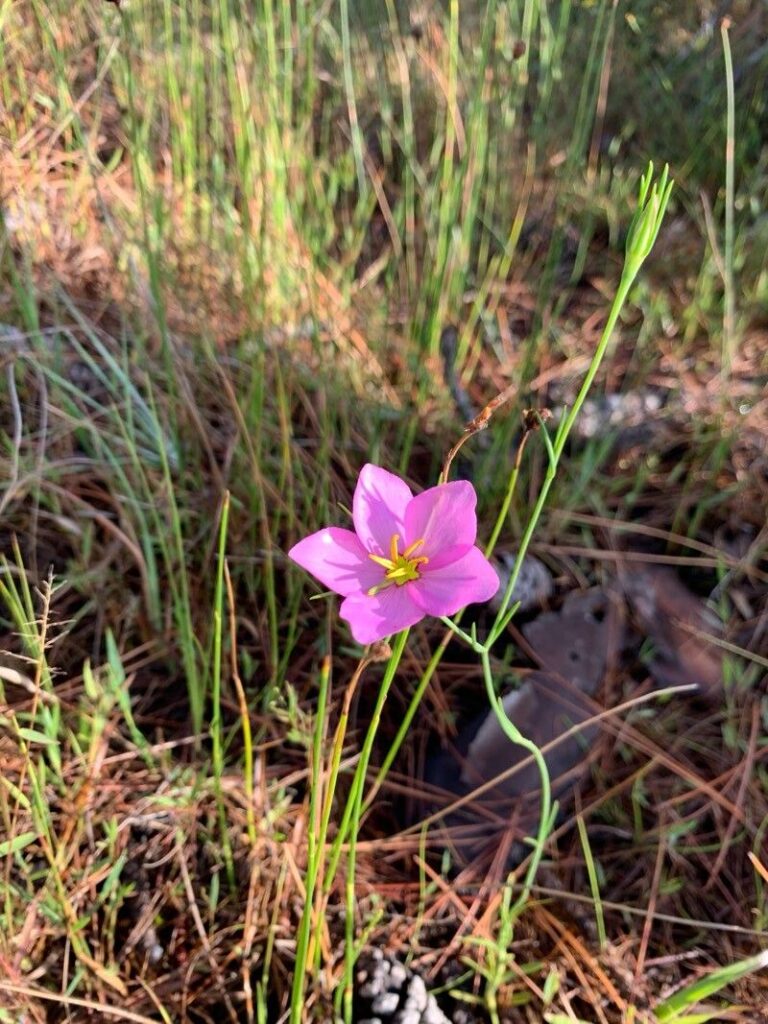
Unveiling the Secrets: How to Propagate the Showy Rosegentian (Sabatia grandiflora)
The Showy Rosegentian (Sabatia grandiflora), with its captivating star-shaped blooms, is a true gem of the southeastern United States. Imagine this vibrant wildflower gracing your garden, attracting butterflies and bees with its delicate beauty. While discovering this plant in its natural habitat is a treat, wouldn’t it be wonderful to cultivate this beauty at home? Let’s delve into the world of propagating Sabatia grandiflora, exploring the techniques that will help you grow this enchanting species.
Understanding the Plant:
Before embarking on our propagation journey, it’s essential to understand the life cycle of this fascinating plant. Sabatia grandiflora is a biennial or short-lived perennial, meaning it completes its life cycle in two years or survives a few years while blooming annually. This characteristic plays a significant role in choosing the most suitable propagation method.
Two Paths to Propagation:
1. Seed Starting: A Rewarding Journey from Seed to Bloom
- Seed Collection: The adventure starts with collecting seeds from mature, dried seed capsules in late summer or early fall. Timing is key, as the capsules tend to disperse seeds quickly.
- Sowing: Sabatia grandiflora seeds prefer cold stratification, mimicking their natural environment. Sow the seeds in a seed tray filled with well-draining seed starting mix, gently pressing them onto the surface. Place the tray in a refrigerator (around 40°F) for 4-6 weeks to break their dormancy.
- Light and Warmth: After stratification, move the tray to a bright location, but avoid direct sunlight. The ideal temperature for germination is between 65-75°F.
- Transplanting: Be patient! Germination may take a few weeks to a couple of months. Once the seedlings develop a couple of sets of true leaves, carefully transplant them into individual pots or your garden bed.
- Patience is Key: Remember, the first year is focused on vegetative growth, with flowering commencing in the second year.
2. Division: Multiplying Your Floral Bounty
For established plants, division offers a quicker method to increase your Sabatia grandiflora population.
- Timing: Early spring, before new growth begins, is the ideal time for division.
- Gentle Separation: Carefully dig around the plant, ensuring you lift a good portion of the root system. Using clean, sharp shears or a knife, divide the plant into sections, each containing healthy roots and shoots.
- Replanting: Plant the divisions in well-prepared soil, spacing them according to their mature size. Water thoroughly and provide adequate moisture as they establish themselves.
Essential Care for Successful Propagation:
No matter your chosen propagation method, these tips will aid in nurturing your Sabatia grandiflora:
- Well-Drained Soil: These plants are susceptible to root rot. Ensure excellent drainage by amending heavy soils with sand or organic matter.
- Sunlight Requirements: Provide at least 6 hours of sunlight daily for optimal growth and blooming.
- Watering: Water deeply but infrequently, allowing the soil to dry slightly between waterings.
- Fertilizer: A light application of balanced fertilizer in spring can encourage healthy growth.
Propagating Sabatia grandiflora is a labor of love, requiring patience and care. However, the reward of witnessing the exquisite blooms in your own garden is well worth the effort. Whether you choose seed starting or division, this guide equips you with the knowledge to embark on this fulfilling horticultural journey. So why wait? Begin your Sabatia grandiflora propagation adventure today!