
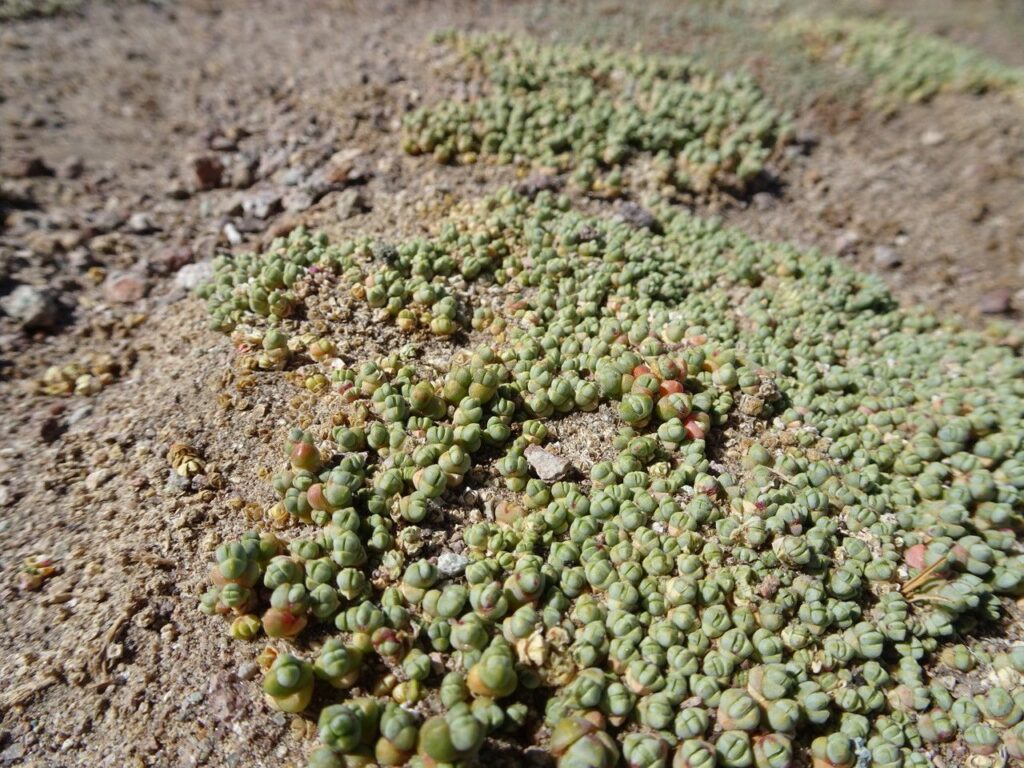
Plump Up Your Plant Game: Propagating the Unique Salicornia Pulvinata
Have you heard of Salicornia pulvinata? No? Well, get ready to meet your new favorite succulent! Also known as the Sea Pickle, Pickleweed, or even Sea Beans (when pickled, yum!), this fascinating plant isn’t your typical houseplant. Native to salt marshes and coastal areas, Salicornia pulvinata is a succulent with a unique segmented appearance, almost like miniature green beans stacked on top of each other. But what truly makes this plant special is its resilience and, you guessed it, its ease of propagation!
Why Propagate?
Propagation, for the uninitiated, is essentially multiplying your plants for free! It’s a fun and rewarding way to grow your plant family, share the love with friends, or even replace an older plant.
Two Roads to Salicornia Success
For Salicornia pulvinata, you have two main methods of propagation at your fingertips:
1. Seed Starting: A Journey of Patience
- Timing is Key: Salicornia seeds are best sown in the spring, mimicking their natural growth cycle.
- Soil Savvy: These salt-tolerant champions still prefer well-draining soil. A mix designed for cacti or succulents is a good choice.
- Sowing the Seeds: Sprinkle seeds on the surface and lightly press them in – no need to bury them deeply.
- Moisture Management: Keep the soil consistently moist, not waterlogged. A spray bottle can be your best friend here.
- Light and Warmth: Place your seed tray in a bright location but out of direct sunlight. A warm spot will encourage germination.
- Be Patient: Germination can take anywhere from a few weeks to a couple of months. Don’t lose hope!
2. Cuttings: The Faster Route to Green Glory
- The Right Cut: Select a healthy stem that is at least 3-4 inches long.
- Callus Formation is Key: Let the cutting sit out for a day or two, allowing the cut end to form a callus. This step is crucial to prevent rotting.
- Planting Time: Fill a small pot with well-draining soil and gently insert the callused end of the cutting.
- Keep it Cozy: Maintain a warm and humid environment. A humidity dome or clear plastic bag over the pot can be helpful.
- Root Watch: In a few weeks, you should start seeing new growth, a telltale sign that roots have developed.
Caring for Your Salicornia Clones:
Whether you’ve nurtured seedlings or cuttings, caring for your new Salicornia babies is relatively simple:
- Sun Lovers, Salt Tolerant: Provide them with plenty of sunlight and don’t be afraid to water with slightly salty water (a teaspoon of sea salt per gallon) to mimic their natural habitat.
- Don’t Overdo It: Salicornia pulvinata are drought-tolerant, so allow the soil to dry out completely between waterings.
- Pinch and Prune: Pinching back the growing tips will encourage bushier growth.
From Propagation to Plate:
Yes, you read that right! Salicornia pulvinata is edible, boasting a salty, slightly crunchy texture. You can enjoy it fresh, pickled, or even sautéed.
Propagating Salicornia pulvinata is a rewarding journey for plant enthusiasts of all levels. With a little patience and care, you can have a mini-marsh of your own, complete with these unique and surprisingly versatile succulents. So why not give it a try? You might just discover a new favorite plant – and a new favorite snack – along the way.