
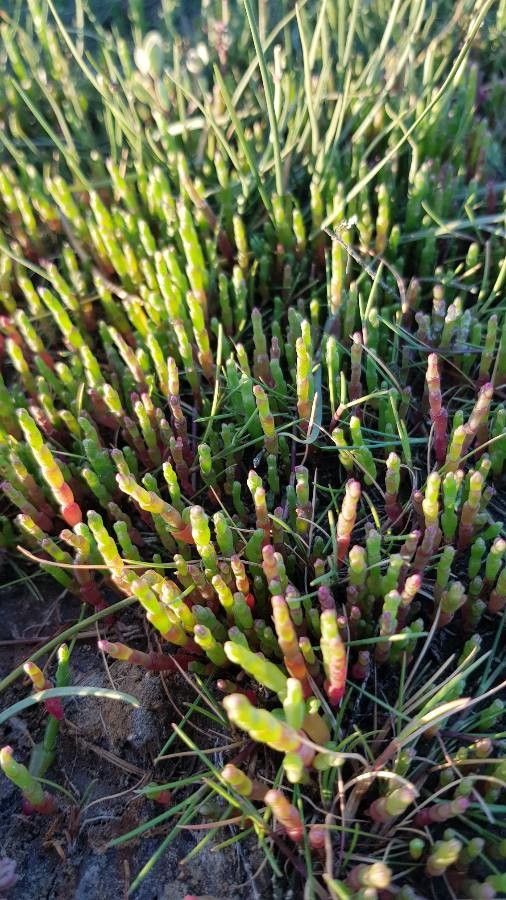
Bringing the Beach Home: Propagating Samphire (Salicornia quinqueflora)
Samphire, also known as sea asparagus or glasswort (specifically Salicornia quinqueflora in Australia), is gaining popularity as a unique and tasty addition to gardens and plates. This succulent, with its vibrant green, jointed stems and salty crunch, thrives in salty, coastal environments. If you’re looking to add a touch of the seaside to your garden and enjoy this foraged delicacy at home, then propagating your own samphire is a rewarding experience.
Two Roads to Samphire Success: Seeds and Cuttings
Samphire can be propagated in two ways:
1. Starting from Seed:
- Sourcing Seeds: You can often find samphire seeds online or from specialist nurseries.
- Timing is Key: The optimal time for sowing is late winter or early spring when the weather starts to warm up.
- Creating the Ideal Environment: Samphire seeds require a saline environment to germinate. Prepare a seed tray with a mix of seed raising mix and sea salt. Use a ratio of approximately one teaspoon of sea salt per liter of water when moistening the mix.
- Sowing the Seeds: Sprinkle the seeds over the surface and lightly press them down. Don’t bury them, as they need light to germinate.
- Patience is a Virtue: Germination can be slow and erratic, taking anywhere from a couple of weeks to a couple of months. Keep the seed tray consistently moist and in a warm, sunny location.
- Transplanting Success: When the seedlings have a few sets of true leaves, they are ready to be transplanted into individual pots or directly into the garden.
2. Propagating from Cuttings:
- The Right Cut: Take cuttings from healthy, established samphire plants in late spring or early summer. Look for sturdy stems that are around 10-15cm long.
- Prepping the Cuttings: Remove the lower leaves from the cutting, leaving 2-3 leaves at the top.
- Hormone Help (Optional): Dipping the cut end in rooting hormone can encourage faster root development but is not essential.
- Planting the Cuttings: Plant the cuttings in a pot filled with a well-draining mix of sand and potting soil. You can also use the same saline solution recommended for seed starting.
- Nurturing New Roots: Keep the cuttings consistently moist and in a warm, sunny location.
- Transplanting Time: Once the cuttings show signs of new growth, typically within a few weeks, they are ready to be transplanted.
A Home For Your Samphire Haven
Samphire requires specific conditions to thrive:
- Sunshine is Essential: Choose a location in your garden that receives at least 6 hours of sunlight daily.
- Drainage is Key: Samphire prefers well-drained soil. If your soil is heavy, consider planting in raised beds or containers.
- Salty is Best: Remember that samphire thrives in salty conditions. If you’re not planting directly near the coast, you can create a saline environment by regularly watering with a diluted seawater solution (one part seawater to three parts freshwater).
Reap the Rewards of Your Samphire Success!
With a little patience and care, you can enjoy the satisfaction of growing your own fresh, salty samphire. It’s a unique and rewarding addition to any garden and will provide you with a taste of the seaside right at home!