
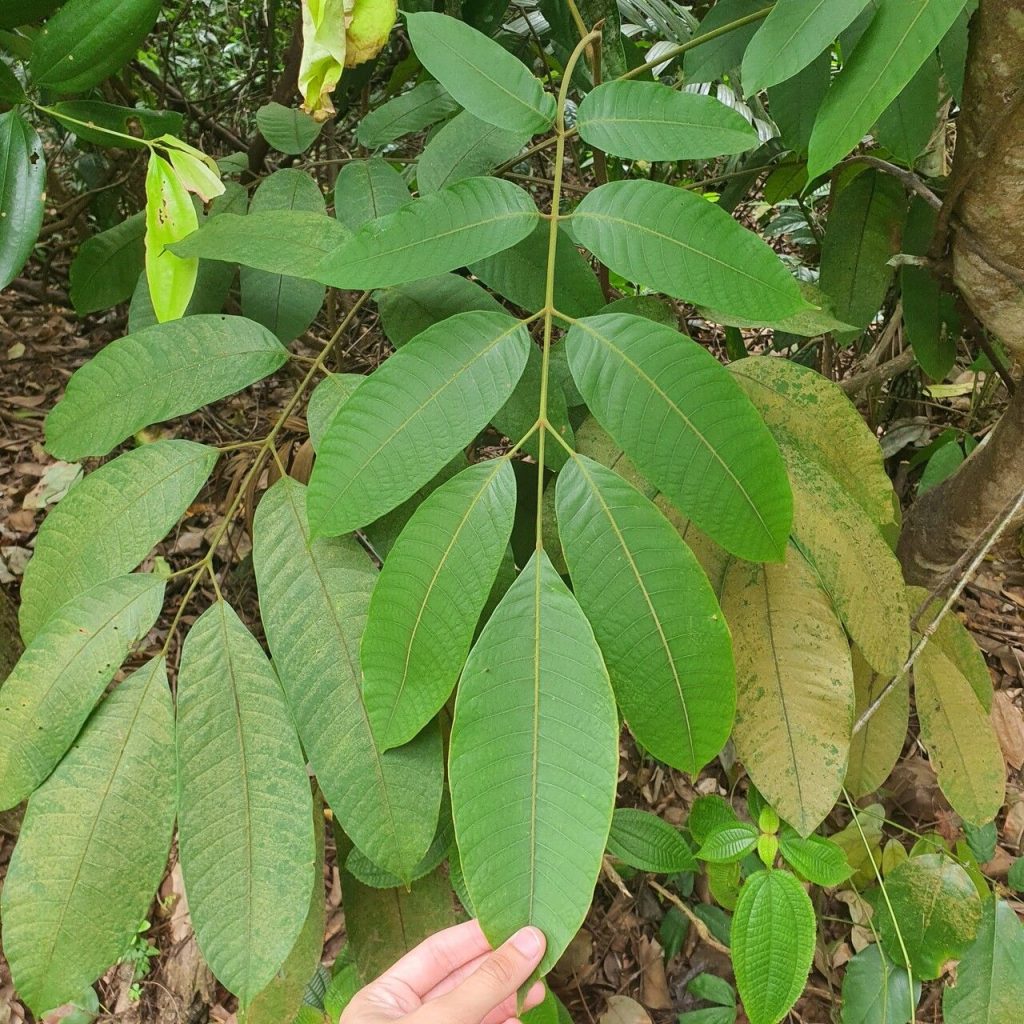
Propagating Santiria tomentosa: A Gardener’s Guide
Introduction:
Santiria tomentosa, also known as the velvet-leaf santiria (though common names are scarce and may vary regionally), is a captivating tree species prized for its aesthetic value and ecological importance. Characterized by its velvety leaves and often attractive flowers (depending on the specific variety), it holds a certain allure for discerning gardeners. However, propagating this species presents unique challenges, making successful cultivation a rewarding endeavor. Its relatively low propagation success rate across various methods underscores the need for diligent technique and careful observation.
Seed Germination:
Currently, there are no known reliable methods for seed germination propagation of Santiria tomentosa. Limited research exists on the species’ reproductive biology, and seed viability and germination rates appear to be exceptionally low, even under optimal conditions. Further research is needed to determine if specific pre-treatment techniques, such as scarification or stratification, might improve germination success. The challenges likely stem from the seed’s inherent dormancy mechanisms or potentially specific environmental requirements not yet identified.
Cuttings:
The propagation of Santiria tomentosa via cuttings presents a more promising, though still challenging, avenue.
Challenges: The success rate of stem cuttings appears low, potentially due to difficulties in rooting. The specific hormonal and environmental requirements for successful rooting remain largely unknown. Factors like the timing of cutting collection (ideally during periods of active growth), the type of cutting (e.g., semi-hardwood), and the use of rooting hormones are likely critical.
Practical Tips: Experiments using semi-hardwood cuttings, treated with a rooting hormone such as IBA (indole-3-butyric acid), and placed under controlled humidity conditions (e.g., using a mist propagation system) should be considered. Employing a rooting medium with excellent drainage and aeration is also essential.
Rewards: While challenging, successful propagation from cuttings can yield genetically identical offspring – preserving desirable traits of a mother plant – this is particularly useful for superior genotypes.
Division:
Division is not a feasible propagation method for Santiria tomentosa. Unlike plants with rhizomatous or clumping growth habits, Santiria tomentosa is a tree species and does not lend itself to division.
Tissue Culture:
Tissue culture offers the potential for large-scale propagation of Santiria tomentosa, but remains largely unexplored.
Challenges: Establishing sterile cultures and identifying appropriate growth media and hormone combinations would require significant research and experimentation. Developing effective protocols for shoot multiplication, rooting, and acclimatization would be crucial.
Practical Tips: Collaboration with plant tissue culture laboratories specializing in recalcitrant species is advised. Careful selection of explant materials from healthy, actively growing tissues is essential.
Rewards: If successful, tissue culture can provide a reliable and efficient way to mass-produce Santiria tomentosa, enabling conservation efforts and wider horticultural use.
Conclusion:
Propagating Santiria tomentosa presents considerable challenges across all major methods. While seed germination currently appears unviable, cuttings offer a more promising (albeit low-success-rate) option, while tissue culture holds significant potential but remains largely unexplored. The rewards, however, are substantial: the opportunity to cultivate this beautiful and ecologically significant tree and contribute to its conservation. The unique satisfaction in successfully propagating this species lies precisely in overcoming these difficulties, transforming a challenge into a testament to horticultural skill and perseverance. For aspiring propagators, persistence, meticulous record-keeping, and a willingness to experiment are vital ingredients for success. Don’t be discouraged by initial setbacks; each failed attempt brings you closer to understanding the specific needs of this intriguing plant.