
Beyond the Soapberry: Mastering Sapindus Mukorossi Propagation
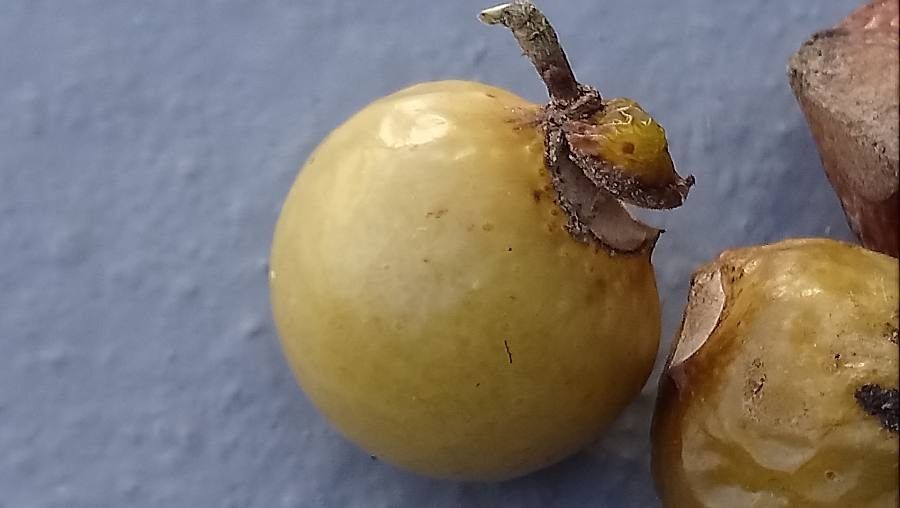
The Sapindus Mukorossi, more commonly known as the Indian Soapberry or Washnut, is gaining popularity not just for its natural cleaning power, but also for its graceful beauty and hardiness. This deciduous tree, native to the Indian Subcontinent and Southeast Asia, boasts vibrant green foliage, delicate fragrant flowers, and intriguing golden-yellow fruits. But did you know that propagating your own soapberry tree is a rewarding experience that is well within reach for even beginner gardeners?
Why Propagate?
While young saplings are readily available at nurseries, propagating your own Sapindus Mukorossi offers a deeper sense of connection with the tree and its life cycle. Plus, it’s a fun and economical way to grow your collection or share this remarkable species with friends and family.
Two Paths to Propagation
There are two primary methods for propagating Sapindus Mukorossi:
1. Seed Propagation: This method, while requiring a little more patience, is a rewarding way to witness the tree’s growth journey from the very beginning.
- Seed Collection: Collect mature, healthy seeds from ripe soapnuts in late autumn. Remove the outer fruit pulp, which can inhibit germination.
- Stratification (Optional): While not strictly necessary, cold-stratifying the seeds for 4-6 weeks in the refrigerator can improve germination rates, particularly in warmer climates. Simply store the seeds in a sealed bag with slightly damp vermiculite or sand.
- Sowing: In spring, sow the seeds in a well-draining seed-starting mix, covering them with about half an inch of soil.
- Growing Conditions: Place the seed tray in a warm, bright location out of direct sunlight. Keep the soil consistently moist but not waterlogged.
- Germination: Germination can take anywhere from a few weeks to several months, so patience is key.
- Transplanting: Once the seedlings develop a few true leaves, carefully transplant them to individual pots or directly into the ground after the last frost.
2. Cutting Propagation: This method offers quicker results and is ideal if you want to replicate the characteristics of a specific tree.
- Timing: The best time for taking cuttings is in late spring or early summer when the new growth is still relatively soft.
- Selecting Cuttings: Choose healthy, disease-free branches that are about 4-6 inches long with at least 2-3 nodes.
- Preparing Cuttings: Remove the leaves from the bottom third of each cutting and wound the base slightly to encourage root development. Dipping the cut end in rooting hormone can also be beneficial.
- Planting: Stick the cuttings in a well-draining potting mix, burying at least one node.
- Humidity and Warmth: Cover the pot with a clear plastic bag or humidity dome to create a warm, moist environment.
- Rooting: The cuttings should develop roots in about 4-8 weeks. You can gently tug on the cutting to check for resistance, indicating root growth.
- Transplanting: Once rooted, carefully transplant the cuttings to larger pots or into your desired location.
Care and Considerations
Sapindus Mukorossi thrives in full sun to partial shade and prefers well-draining soil. While relatively low-maintenance, it’s essential to provide regular watering, especially during the first year after planting.
Embrace the Journey
Propagating your own Sapindus Mukorossi is a rewarding experience that connects you with the magic of nature. With a little patience and care, you can nurture these majestic trees and enjoy their beauty and bounty for years to come.