
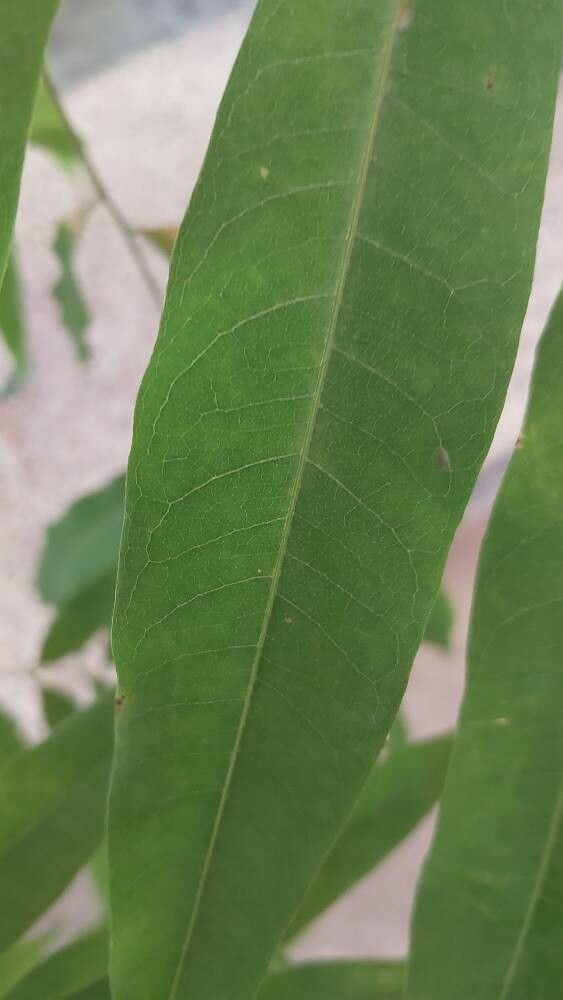
From Seed to Soap: Propagating the Wonderous Soapberry Tree
The Soapberry tree, scientifically known as Sapindus saponaria, is a fascinating and useful plant with a history as rich as its soapy fruit. But did you know you can easily propagate this tree yourself?
Whether you’re a seasoned gardener or just starting out, propagating your own Soapberry tree is a rewarding experience. Not only will you have a beautiful addition to your garden, but you’ll also be able to enjoy its numerous benefits.
Seeds: The Traditional Route
Sapindus saponaria can be propagated from seeds, which is the most common and reliable method. The process is relatively simple and requires patience:
- Gather Your Seeds: Start by collecting ripe Soapberry fruits. The easiest way is to wait for them to fall naturally.
- Prepare the Seeds: Remove the fleshy pulp surrounding the seeds and wash them thoroughly. You can then soak them in warm water for 24 hours to soften the seed coat.
- Sowing Time: Sow the seeds in a well-draining potting mix, burying them about half an inch deep.
- Patience is Key: Germination can take several weeks, even up to a few months depending on the conditions. Keep the soil consistently moist but not soggy.
- Transplant Carefully: Once the seedlings have a few sets of true leaves, they are ready to be transplanted into larger pots. Ensure you handle them carefully to avoid root damage.
Softwood Cuttings: A Faster Approach
For those seeking a faster way to propagate, softwood cuttings are a viable option. Though slightly more challenging than seeds, this method offers quicker results:
- Time is of the Essence: Take cuttings from new, soft growth during the spring or early summer.
- Sharp Tools are Crucial: Employ sharp, sterilized gardening shears or a knife to make clean cuts about 4-6 inches long. Remove lower leaves and ensure the top two leaves remain.
- Root Hormone Boost: Dipping the cut end in rooting hormone powder can increase the chances of success.
- Prepare the Medium: Plant the cuttings in a well-draining potting mix, ensuring only the bottom half of the cutting is submerged.
- Provide the Right Environment: Mist the cuttings regularly and cover them with a plastic dome or bag to create a humid environment. Place them in a bright spot, but out of direct sunlight.
Choosing the Right Method for You
When deciding between seed and cutting propagation, consider the following factors:
- Time: Seeds require more patience but generally result in a higher success rate.
- Skill Level: Softwood cuttings offer a faster alternative but might be challenging for beginners.
- Availability: Seeds are usually readily available, while cuttings rely on access to a mature Soapberry tree.
Beyond Propagation: Caring for Your Soapberry Tree
Once your Soapberry tree is established, maintaining its healthy growth is crucial. Here are some tips:
- Sunlight: Provide ample sunlight, at least 6 hours daily.
- Watering: Water regularly, especially during dry spells.
- Fertilizing: Feed your tree with a balanced fertilizer during the growing season.
- Pruning: Prune lightly to maintain its shape and remove any dead or diseased branches.
The Benefits of a Soapberry Tree
- Natural Soap: The soapberry fruit contains saponins, which create a natural soap. This makes it a great eco-friendly alternative for cleaning.
- Pest Repellent: Soapberry leaves can be used to create a natural insecticide.
- Attracts Beneficial Insects: The tree’s flowers attract pollinating insects and beneficial predators.
- Medicinal Properties: Soapberry tree parts are believed to have medicinal properties.
By following these guidelines, you can easily propagate your own Soapberry tree and enjoy its many benefits. Remember, patience, proper care, and a touch of TLC will ensure its thriving growth for years to come.