
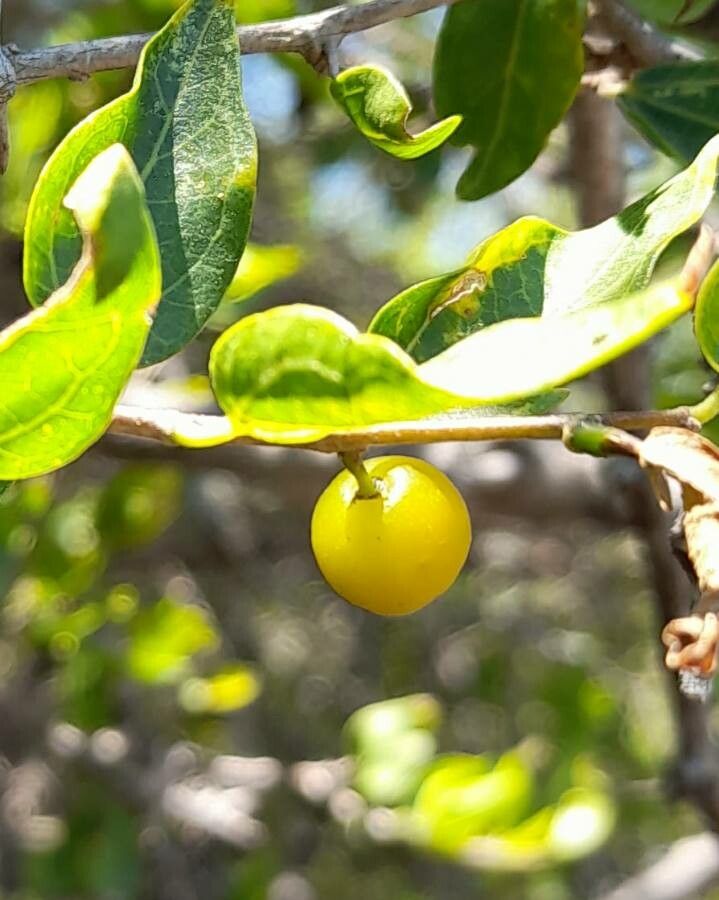
Cracking the Code: How to Propagate the Mighty Mistol Tree
The Mistol tree (Sarcomphalus mistol), native to South America, is a true survivor. Thriving in arid regions, it offers delicious fruit, valuable timber, and a host of medicinal benefits. If you’re captivated by its resilience and intrigued by its potential, you might be wondering: how can I grow my own Mistol tree? Let’s delve into the fascinating world of Mistol propagation.
Seeds: A Journey of Patience and Perseverance
Propagating Mistol from seed is the most common method, though it demands a healthy dose of patience. Here’s a step-by-step guide:
- Seed Collection and Preparation: Harvest ripe Mistol fruits, identifiable by their dark purple color and slightly wrinkled skin. Extract the seeds and clean off any remaining fruit pulp.
- Breaking Dormancy: Mistol seeds have a hard outer shell that requires scarification to encourage germination. Gently rub the seed coat with sandpaper or a file until a small indentation appears.
- Soaking for Success: Soak the scarified seeds in warm water for 24 hours to soften the seed coat further and enhance water absorption.
- Sowing the Seeds: Plant each seed about 1 inch deep in a well-draining potting mix. Water thoroughly, ensuring the soil remains moist but not waterlogged.
- Warmth and Patience: Place the seed tray in a warm, sunny location. Germination can be slow, taking anywhere from a few weeks to several months. Continue to provide consistent moisture and warmth during this period.
Exploring Alternative Routes: Cuttings and Grafting
While seed propagation is the norm, adventurous gardeners can experiment with cuttings or grafting for potentially faster results:
Cuttings: Take semi-hardwood cuttings, ideally from healthy, mature branches, during late spring or early summer. Plant them in a well-draining rooting mix and provide a warm, humid environment. The use of rooting hormones can significantly increase the success rate with this method.
Grafting: This technique involves joining a Mistol scion (a cutting from a desired variety) onto a compatible rootstock. It requires expertise but can yield faster fruit production and disease resistance.
Nurturing Your Mistol: Tips for Success
Regardless of your chosen propagation method, these tips will help your Mistol thrive:
- Well-Draining Soil: Mistol trees are highly susceptible to root rot, so ensure excellent drainage. Amending the soil with sand or perlite is beneficial.
- Ample Sunlight: Being sun-loving trees, Mistols flourish in locations with at least 6 hours of direct sunlight daily.
- Water Wisely: Water deeply but infrequently, allowing the soil to dry out between waterings. Once established, Mistol trees exhibit drought tolerance.
- Protection from Frost: Young Mistol trees are sensitive to frost. Provide protection during cold snaps with frost blankets or by relocating potted trees indoors.
Reaping the Rewards of Patience
Propagating a Mistol tree is a labor of love, demanding patience and dedication. However, witnessing the growth of this resilient species, enjoying its sweet fruit, and utilizing its diverse benefits make the journey profoundly rewarding. So, embrace the challenge, nurture your Mistol, and savor the fruits of your labor for generations to come.