
Propagating the Chilean Glory Vine: A Gardener’s Guide to Sarmienta scandens
Introduction:
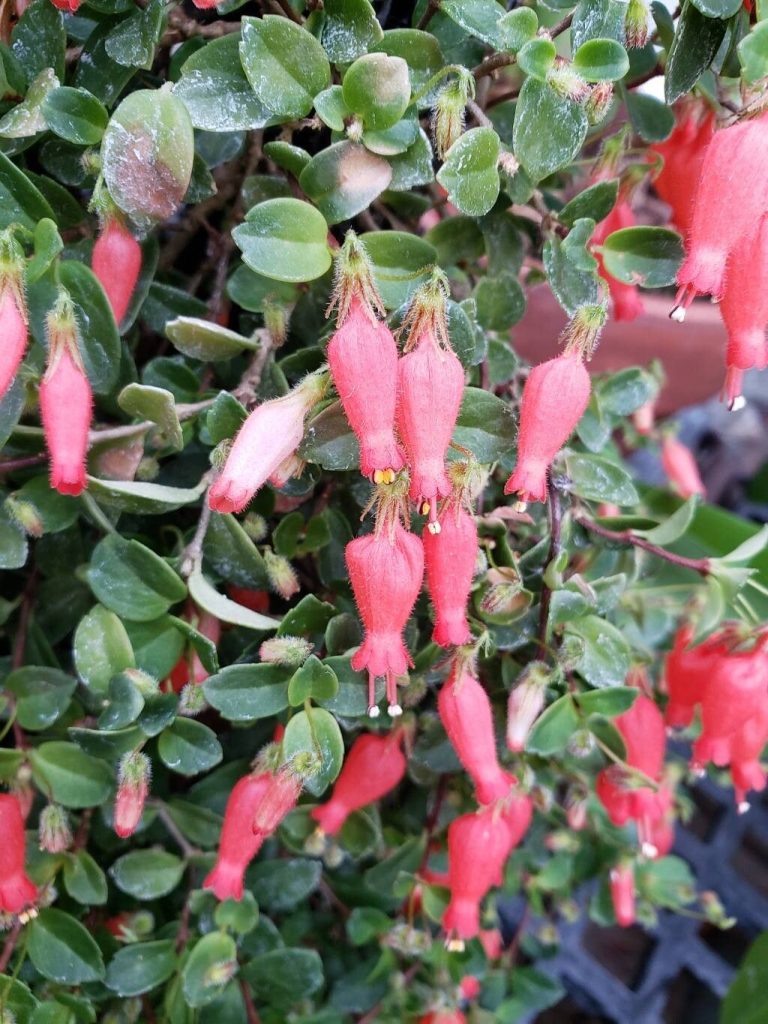
Sarmienta scandens, commonly known as the Chilean glory vine or coral vine, is a captivating scrambling shrub hailing from the temperate forests of Chile. Its popularity among gardeners stems from its exquisite pendulous, tubular flowers, ranging from scarlet to orange-red, which contrast beautifully against its glossy, dark green foliage. This relatively low-maintenance vine adds a touch of exotic beauty to gardens, making its propagation a rewarding endeavor for experienced and aspiring plant enthusiasts alike. However, its propagation presents certain challenges, making success all the more satisfying.
Seed Germination:
Currently, there are no known reliable methods for seed germination propagation of Sarmienta scandens. While seed production may occur in ideal conditions, germination rates are exceptionally low, and consistent success remains elusive. Further research into specific seed treatment techniques, such as scarification or specific temperature stratification protocols, may be necessary to unlock the potential of seed propagation.
Cuttings:
Challenges: Softwood cuttings are the most widely attempted propagation method, but success is not guaranteed. The cuttings are prone to rot if not kept in consistently humid conditions and can be slow to root.
Practical Tips: Take semi-hardwood cuttings in late spring or early summer from actively growing shoots. Remove lower leaves, dip the cut ends in rooting hormone, and insert them into a well-draining propagation mix (e.g., perlite and peat moss). Maintain high humidity using a propagation dome or plastic bag, provide bottom heat (approximately 20-24°C), and ensure consistent moisture without overwatering.
Rewards: This method offers a relatively quick way to increase the number of plants, preserving the qualities of the parent plant.
Division:
Challenges: Sarmienta scandens doesn’t readily lend itself to division. Its root system isn’t particularly clump-forming, and disrupting the rootball too much can severely stress the plant, potentially leading to its demise.
Practical Tips: Division is only feasible when a mature, well-established plant becomes significantly overcrowded. This should be done during the dormant season (late autumn or early winter). Carefully divide the rootball, ensuring each section has a good portion of healthy roots and shoots. Plant the divisions immediately, providing ample moisture and shade until they re-establish themselves.
Rewards: Division offers a straightforward way to increase plant numbers from a mature specimen, especially beneficial when space allows for larger plants.
Tissue Culture:
Challenges: Tissue culture is a more advanced method requiring specialized equipment and sterile conditions. Establishing a successful culture protocol for Sarmienta scandens might require significant experimentation to determine the optimal growth media and hormonal balances.
Practical Tips: This method requires expertise in tissue culture techniques, including sterilization, media preparation, and subculturing. A laboratory setting is preferable. Success depends on finding an optimal balance of plant growth regulators to promote shoot proliferation and rooting.
Rewards: Tissue culture offers the potential for large-scale propagation, disease-free plants, and the preservation of rare or superior clones.
Conclusion:
Propagating Sarmienta scandens presents unique challenges across all methods. While cuttings offer the most accessible route to success, patience and attention to detail are crucial. Division is limited by the plant’s habit, and while tissue culture promises mass propagation, it demands specialized expertise. Seed germination remains unreliable. However, the reward of successfully nurturing these vibrantly coloured vines, from cutting to mature plant, is immeasurable. The challenge only intensifies the satisfaction of witnessing their exquisite flowers adorning your garden, a testament to your dedication and horticultural prowess. So, embrace the challenge; the journey of propagating this Chilean treasure is as rewarding as the destination.