
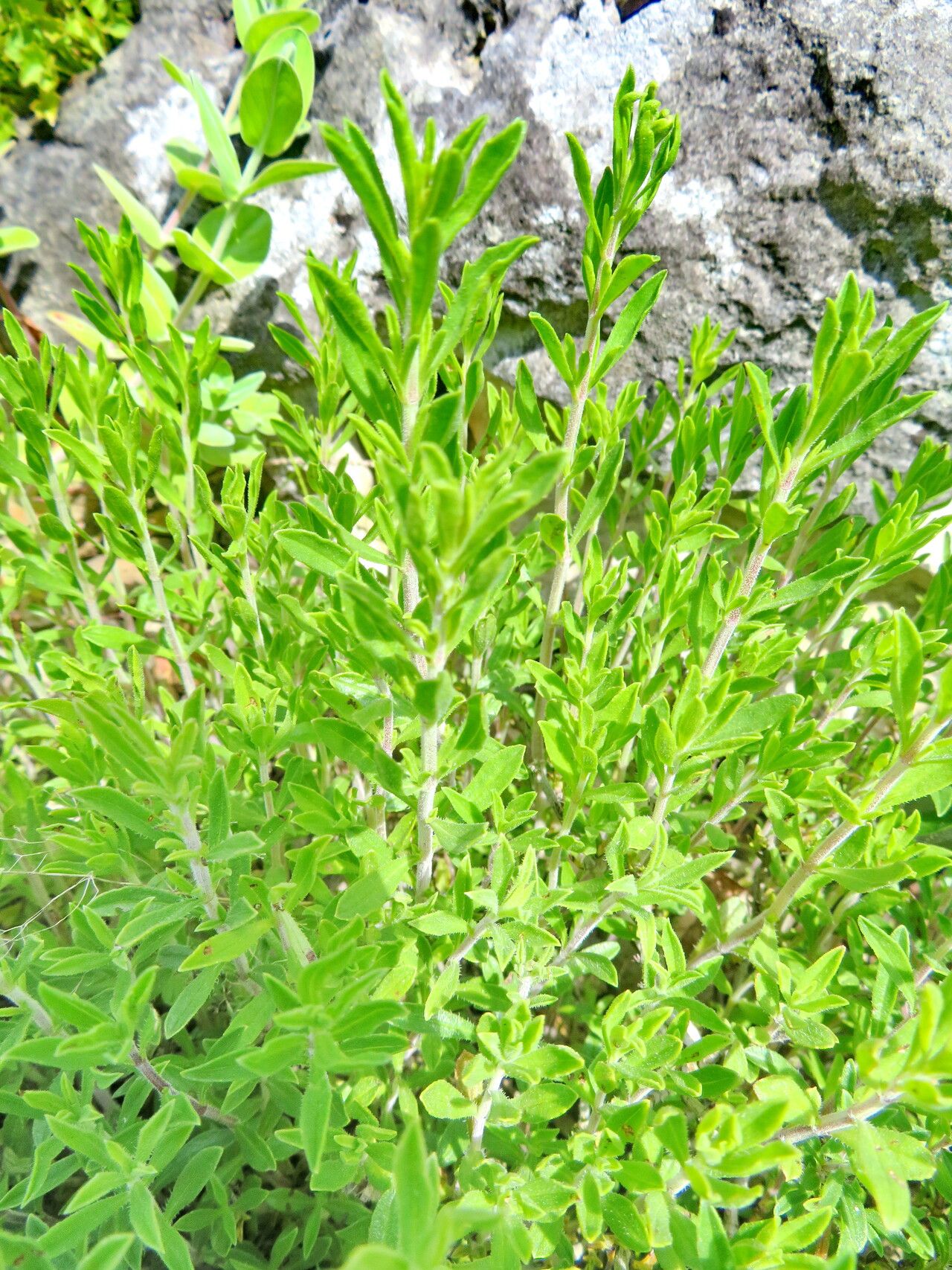
Unlocking the Secrets of Greek Mountain Savory: A Guide to Propagating Satureja parnassica
Satureja parnassica, more melodiously known as Greek Mountain Savory, is a captivating herb with a rich history and a flavor profile bolder than its delicate appearance. Native to the rocky slopes of Greece, this perennial boasts small, aromatic leaves and dainty white flowers that attract a symphony of pollinators. While its culinary and medicinal values have been celebrated for centuries, propagating this treasure can seem like a horticultural hurdle. Fear not, fellow plant enthusiasts, for we’re about to unravel the secrets of successfully growing Satureja parnassica!
Seeds of Success: Embarking on the Propagation Journey
The most common and rewarding method for propagating Satureja parnassica is through seeds. While patience is key, witnessing those first tiny sprouts emerge is truly gratifying.
Here’s how to sow the seeds of success:
- Timing is Everything: Start your seeds indoors 6-8 weeks before the last frost. This gives them a head start and ensures a healthy root system before transplanting.
- Well-Draining Delight: Choose a seed starting mix that is light and well-draining. Satureja parnassica detests soggy roots.
- Surface Sowing Simplicity: Sprinkle your seeds on the surface of the soil, pressing them in gently. Light is essential for germination.
- Warmth and Moisture: Maintain a consistent temperature of 70-75°F (21-24°C) and keep the soil evenly moist. A humidity dome or plastic wrap can aid in retaining moisture.
- Patience, Young Padawan: Germination typically takes 10-21 days. Once the seedlings have developed a few sets of true leaves, they can be carefully transplanted into individual pots.
Cuttings: A Shortcut to Culinary Delights
For those who prefer instant gratification or want to replicate the characteristics of a specific plant, taking cuttings is another option.
Here’s how to propagate Satureja parnassica through cuttings:
- Timing is Crucial: The best time for taking cuttings is in the spring or early summer when the plant is actively growing.
- Sharp and Clean Tools: Always use a sharp, sterilized knife or pair of scissors to prevent the spread of diseases.
- Selecting the Perfect Candidates: Choose healthy stems that are about 3-4 inches (7-10 cm) long and free of flowers.
- Rooting Hormone – Optional but Beneficial: Dip the cut end of the stem in rooting hormone to encourage faster and stronger root development.
- Potting Up: Plant the cuttings in a well-draining potting mix, burying the bottom node (where the leaves grow).
- Creating a Humid Haven: Cover the pot with a plastic bag or use a humidity dome to trap moisture and promote rooting.
- Patience, Patience! Rooting can take several weeks. Once you see new growth, you know your cuttings have successfully rooted.
Caring for Your Newly Minted Savory
Once your Satureja parnassica babies are established, they are relatively low-maintenance. They thrive in full sun to partial shade and prefer well-drained soil. Water them regularly, allowing the soil to dry slightly between waterings. Pinching back the tips of the stems will encourage a bushier, more compact plant and delay flowering (which can sometimes make the leaves taste bitter).
Enjoy the Fruits (and Flavors) of Your Labor
Propagating Satureja parnassica might seem daunting at first, but with a little patience and care, you can have a bountiful supply of this aromatic herb gracing your garden and your culinary creations. Whether you choose to embark on the seed-starting adventure or take the shortcut with cuttings, the satisfaction of successfully growing your own Greek Mountain Savory is simply unparalleled.