
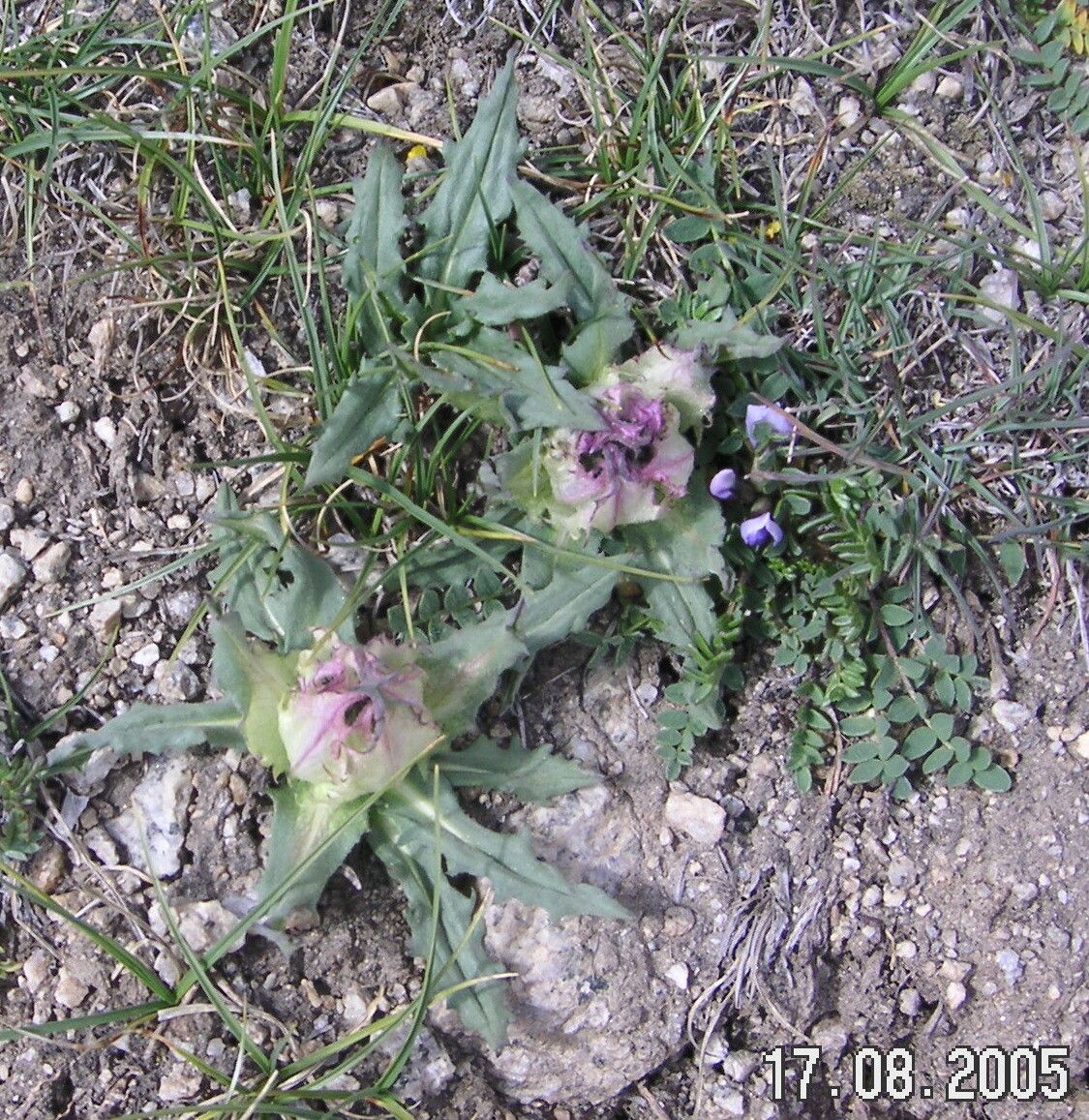
Taming the Himalayan Snow Lotus: Propagating the Elusive Saussurea bracteata
The towering Himalayas, cloaked in snow and shrouded in myth, harbor a treasure trove of unique flora. Among them blossoms the ethereal Saussurea bracteata, often referred to as the Himalayan snow lotus. Prized for its delicate beauty and medicinal properties in traditional practices, this alpine plant captivates with its resilience in extreme environments. But what about cultivating this wonder closer to home? While challenging, propagating Saussurea bracteata is possible with dedication and a dash of botanical know-how.
Seeds of Hope: The Most Common Route
The primary method for propagating Saussurea bracteata is through seeds. However, acquiring these seeds can be a quest in itself! Due to the plant’s protected status in many regions, sourcing seeds from reputable suppliers who specialize in alpine species is crucial.
Once you have the seeds in hand, remember, these are no ordinary seeds. They require a period of cold stratification to mimic their natural high-altitude conditions. Follow these steps:
- Sow in Gritty Mix: Prepare a well-draining sowing medium using a mixture of sand, perlite, and seed starting mix. Saussurea bracteata prefers rocky, well-drained soil.
- Cold Stratification: Place the seed tray in a refrigerator (around 4°C or 39°F) for 6-8 weeks. This cold period helps break down dormancy and encourages germination.
- Warmth and Light: After stratification, transfer the seed tray to a bright location, out of direct sunlight. Maintain temperatures between 15-21°C (59-70°F).
- Patience is Key: Germination can be slow and erratic, taking several weeks or even months. Be patient and continue to provide appropriate moisture and light.
Division: A Risky but Rewarding Endeavor
For established plants, division offers another propagation method, although it carries a higher risk. In late spring or early summer, carefully divide the plant, ensuring each section has a healthy root system. Replant immediately in well-draining soil and keep the divisions consistently moist until established.
Nurturing the Himalayan Gem
Successfully germinating or dividing your Saussurea bracteata is a feat in itself. Now comes the true challenge – emulating the plant’s native environment to ensure its continued survival:
- Cool and Bright: Provide a location with cool temperatures and bright, indirect light. Avoid hot, humid conditions.
- Well-Drained Soil is Paramount: Overwatering is the fastest way to kill a Saussurea bracteata. Plant them in well-draining soil and water sparingly.
- Fertilize Sparingly: Light fertilization during the growing season using a diluted, balanced fertilizer can be beneficial.
Conservation through Cultivation
The journey of propagating Saussurea bracteata might seem daunting, but for passionate gardeners and plant enthusiasts, it’s a rewarding undertaking. Not only does it offer a glimpse into the remarkable world of alpine plants, but it also contributes to the conservation of this unique species. By understanding the challenges and embracing the rewards, you can help ensure the Himalayan snow lotus continues to grace our planet for generations to come.