
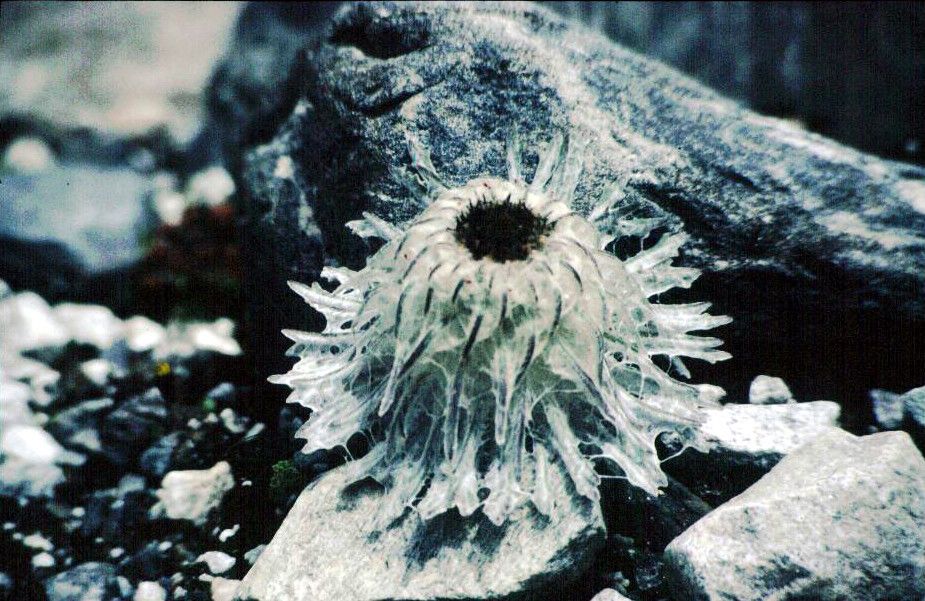
Unlocking the Secrets of the Snow Lotus: Propagating Saussurea laniceps
High in the Himalayas, amidst icy winds and unforgiving terrain, blooms a flower of captivating beauty and resilience: the Saussurea laniceps, also known as the snow lotus. This ethereal plant, resembling a giant, woolly thistle, has captured the imagination for centuries, celebrated in traditional medicine and revered for its ability to thrive in extreme environments. But propagating this majestic mountain dweller is no easy feat, shrouded in challenges that mirror its harsh natural habitat.
Seeds of Hope, Mountains of Challenge:
The most common method of propagating Saussurea laniceps is through seeds. However, replicating the unique conditions these seeds require for germination is where the real challenge lies. Here’s what makes it tricky:
- Freshness is Key: Snow lotus seeds have notoriously short viability. Obtaining fresh seeds, often collected by specialized expeditions, is crucial.
- Stratification Simulation: In the wild, seeds naturally undergo stratification – a period of cold, moist conditions – during the harsh winter months. Mimicking this process is essential and involves storing seeds in a moist medium like vermiculite in a refrigerator for several weeks.
- Altitude Adjustment: These high-altitude specialists prefer cool temperatures and struggle in the heat. Maintaining a cool growing environment, often below 20°C (68°F), is vital for successful germination and growth.
Taking Root: Germination and Early Care:
Once you’ve tackled the initial hurdles, successfully germinating snow lotus seeds brings immense satisfaction.
- Well-Draining Haven: Use a well-draining seed starting mix that mimics the rocky, gravelly soil of their natural habitat.
- Light Lovers: Provide bright, indirect light. Direct sunlight, especially in warmer climates, can scorch these delicate seedlings.
- Patience is Paramount: Germination can be slow and erratic, taking anywhere from a few weeks to several months.
Beyond the Seedling Stage: Nurturing Maturity:
- Potting Up and Beyond: Once seedlings develop a few true leaves, they can be carefully transplanted into larger pots, using a well-draining soil mix.
- Feeding the Future: As the plants grow, providing a diluted fertilizer designed for alpine or rock garden plants can support healthy development.
- Simulating the Summit: Mimic the cool, well-ventilated conditions of their alpine home. If growing indoors, a cool greenhouse or a well-ventilated room with supplemental lighting might be necessary.
The Conservation Connection:
Propagating Saussurea laniceps is not just a horticultural challenge; it’s an act of conservation. Overharvesting for traditional medicine has put immense pressure on wild populations. By successfully cultivating this species, we can lessen the demand on wild populations and contribute to the preservation of this iconic Himalayan treasure.
While the journey of propagating the snow lotus is undeniably demanding, the rewards are immeasurable. The process offers a glimpse into the remarkable resilience of nature and the opportunity to play a role in safeguarding a botanical wonder.