
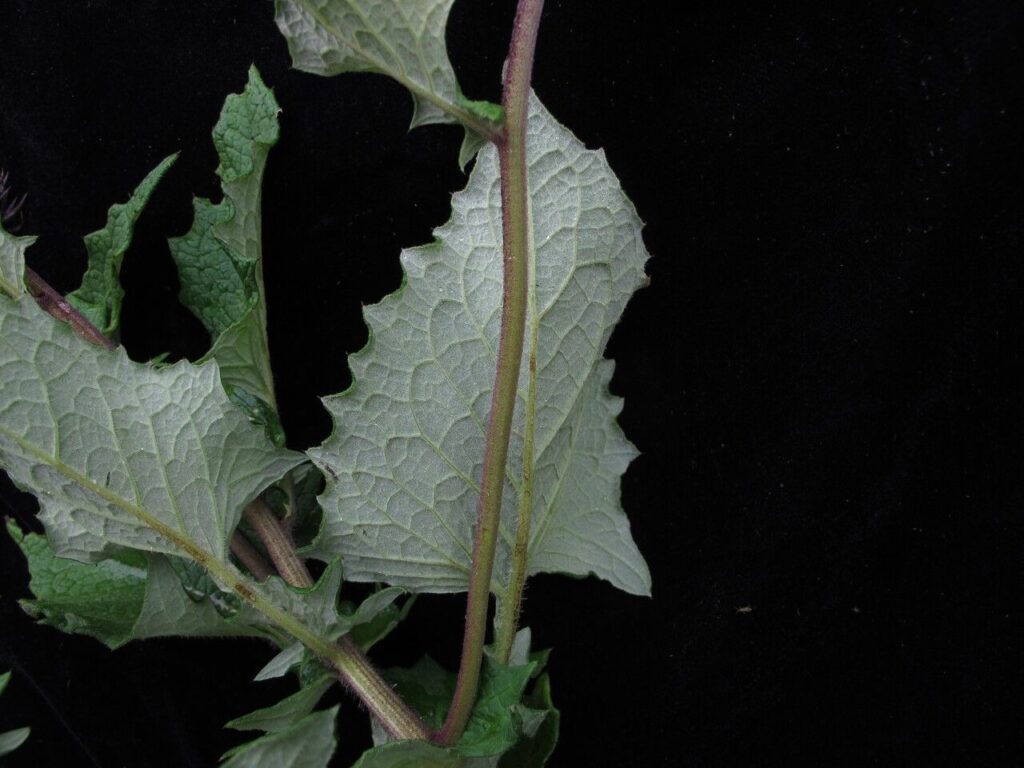
Unlocking the Secrets of Saussurea Macrota: Propagating the Himalayan “Tree of Life”
Saussurea macrota, often referred to as the “Tree of Life” in the Himalayas, is a captivating alpine plant with striking silver-grey rosettes and vibrant purple flowers. Its unique appearance and powerful medicinal properties have made it a coveted plant among gardeners and herbal enthusiasts alike. But how do you bring this impressive plant into your own garden? The answer lies in the fascinating world of plant propagation.
A Look at the Options:
Traditionally, Saussurea macrota is slow to establish from seed, making propagation a challenge for impatient gardeners. But fret not! There are several effective methods to add this Himalayan wonder to your collection:
1. Seed Propagation: A Journey of Patience
- Obtaining Seeds: This method requires a bit of patience, as Saussurea macrota seed is notoriously prone to dormancy. Obtain fresh, viable seeds from reputable suppliers or from your own mature plant.
- Sowing Techniques: Sow the seeds in sterile seed starting mix, lightly covering them with a thin layer of vermiculite. Maintain a cool and consistently moist environment, ideally around 40-50°F (4-10°C).
- Germination: Expect germination to take several months, even up to a year, under ideal conditions.
2. Division: Sharing the Bounty
- Timing is Key: Division is best achieved during the plant’s dormant period, typically in early spring or late fall.
- Preparing the Plant: Gently dig up the plant and carefully separate the offsets or crowns using a sharp knife.
- Planting the Divisions: Replant the divisions in well-drained soil mimicking the plant’s natural habitat, ensuring good drainage and ample sunlight.
3. Cuttings: A Faster Path to Success
- Selecting Stems: Choose healthy, non-flowering stems during the spring or summer months when the plant is actively growing.
- Preparing the Cutting: Cut a 4-6 inch section of stem just below a node, making a clean, angled cut to encourage root growth.
- Root Hormone: Dip the cut end of the stem in rooting hormone for extra success.
- Starting the Process: Plant the cutting in a sterile rooting medium, ensuring it is kept moist but not saturated. Cover the cutting with a plastic dome or bag to maintain high humidity and create a mini-greenhouse effect.
4. Tissue Culture: A Modern Approach
This method, while more complex, offers a faster and highly efficient way to propagate Saussurea macrota on a large scale. It involves cultivating plant tissue in artificial nutrient media, ensuring precise control over growth and development.
Choosing the Right Technique for You:
While seed propagation is generally the most affordable method, the other methods offer faster results and a higher success rate. Choosing the right technique ultimately depends on your experience, available resources, and desired outcome. With careful planning and a bit of patience, you can successfully propagate Saussurea macrota and enjoy its unique botanical beauty in your own garden.
Remember, this precious plant is a delicate treasure. Cultivating it responsibly ensures its continued existence for future generations to appreciate.