
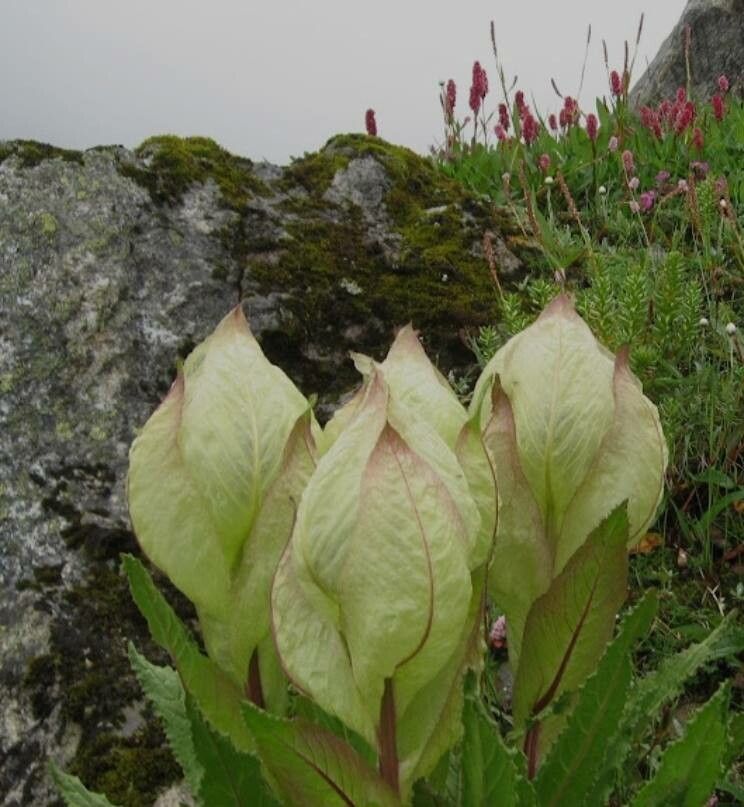
Cultivating the Elusive: Propagation Techniques for the Brahma Kamal (Saussurea obvallata)
The Brahma Kamal (Saussurea obvallata), also known as the “Flower of the Gods,” holds a revered position in Himalayan culture. This majestic flower, blooming only under the cloak of night with a captivating fragrance, has captivated hearts for centuries. While its ethereal beauty might seem unattainable, dedicated plant enthusiasts can try their hand at propagating this mystical bloom.
Propagating the Brahma Kamal isn’t a walk in the park; it demands patience, understanding, and a touch of green magic. Let’s explore the two primary methods:
1. Seed Propagation: A Test of Time and Dedication
Propagating the Brahma Kamal from seeds is the most common method, offering a rewarding experience for patient gardeners. Here’s how:
- Source Your Seeds: Obtaining viable seeds is the first hurdle. Look for reputable online sellers or nurseries specializing in alpine plants.
- Timing is Key: The ideal time for sowing is during early spring or autumn, mimicking the plant’s natural habitat.
- Prepare a Well-Draining Mix: The Brahma Kamal prefers a porous, slightly acidic growing medium. A mix of peat moss, perlite, and vermicast (in a 1:1:1 ratio) works well.
- Sowing the Seeds: Sprinkle the seeds sparsely over the surface, lightly pressing them down. Do not bury them, as they require light to germinate.
- Creating the Right Environment: Mist the soil regularly, ensuring consistent moisture but not waterlogging. Cover the pot with a transparent plastic sheet or use a propagator to maintain humidity.
- Patience is Paramount: Germination is slow and can take anywhere from a few weeks to a couple of months. Maintain a consistent temperature around 20-25°C (68-77°F) for optimal results.
2. Propagation by Offsets: A Quicker Route
Mature Brahma Kamal plants occasionally produce small offsets, or “pups,” at their base. This presents an alternative, quicker method of propagation.
- Division during Spring: Carefully remove the mother plant from its pot during early spring and gently detach the offsets using a clean, sharp knife.
- Potting the Offsets: Plant the divided offsets in individual pots using a well-draining mix, ensuring the roots are adequately covered.
- Nurturing the Offsets: Place the newly potted offsets in a sheltered location, shielded from direct sunlight. Maintain consistent moisture and humidity, mimicking the care provided to seedlings.
Nurturing Your Brahma Kamal: Tips for Success
Regardless of your chosen propagation method, providing the right care is crucial for your Brahma Kamal to thrive:
- Bright, Indirect Light: While the Brahma Kamal flowers under moonlight, it requires bright, indirect light for healthy growth.
- Cool Temperatures: This alpine plant thrives in cool climates, mimicking its high-altitude habitat. Maintain temperatures between 15-25°C (59-77°F).
- Watering with Discernment: Water only when the topsoil feels dry to the touch, avoiding overwatering, which can lead to root rot.
- Feeding for Optimal Growth: During the growing season (spring and summer), fertilize your Brahma Kamal monthly with a balanced, diluted liquid fertilizer.
Propagating the Brahma Kamal is a labor of love, a testament to your dedication and patience. While the journey might be challenging, the reward of witnessing this celestial flower bloom in your care is an experience like no other. So, roll up your sleeves, embrace the challenge, and who knows, you might soon be sharing the magic of the Brahma Kamal with the world.