
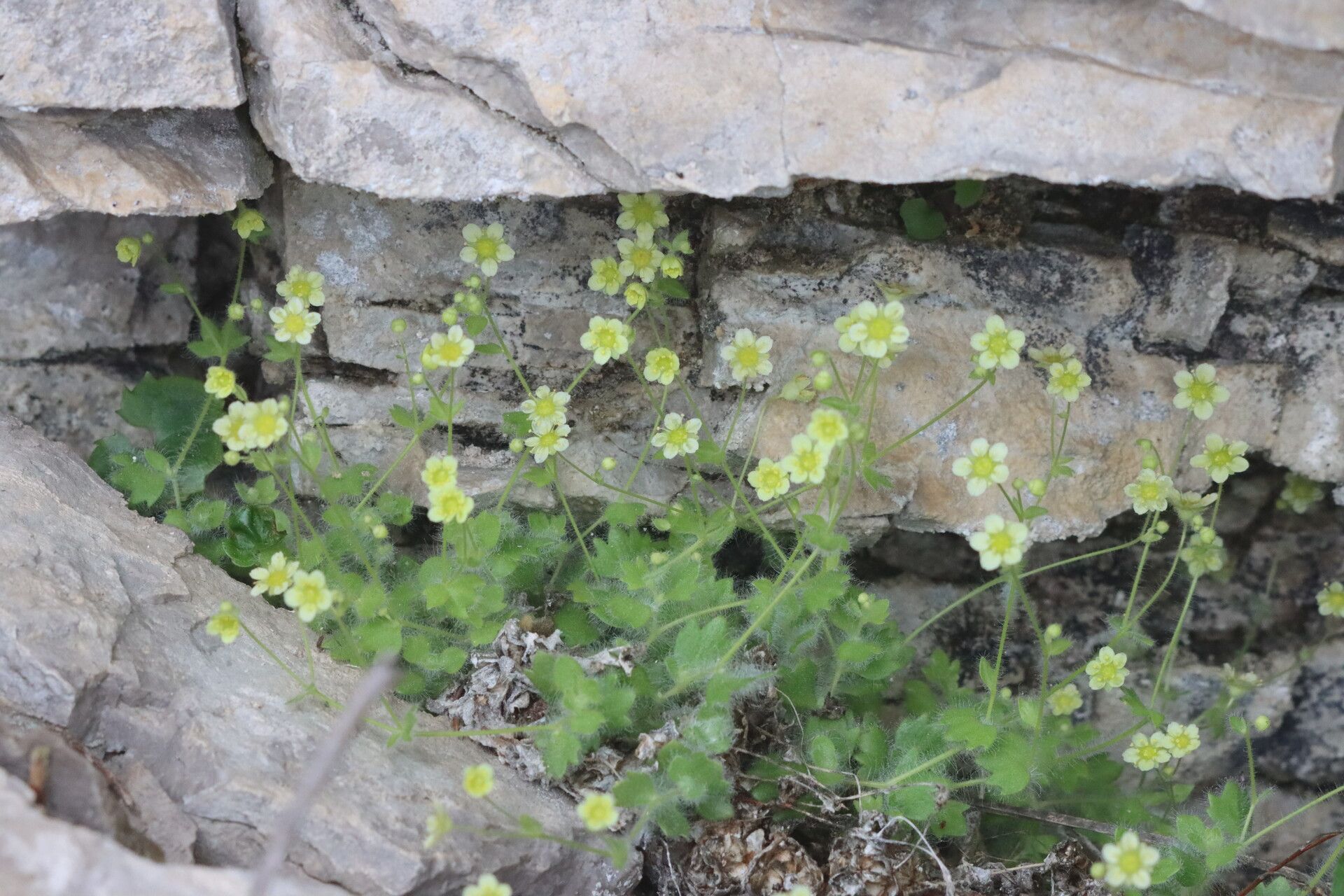
Unveiling the Secrets of Cobweb Saxifrage Propagation: A Guide to Multiplying Your Alpine Gem
The Saxifraga arachnoidea, more affectionately known as the cobweb saxifrage, is a sight to behold. With its delicate, spiderweb-like threads adorning rosettes of vibrant green leaves and charming pink or white flowers, this alpine plant adds a touch of whimsical beauty to any rock garden or alpine trough. If, like many others, you’ve fallen for its unique charm, you’re probably wondering – how can I get more of these little beauties? Thankfully, propagating Saxifraga arachnoidea is achievable even for the novice gardener. Let’s delve into the fascinating world of cobweb saxifrage propagation!
Two Paths to Propagation:
There are two primary methods for propagating Saxifraga arachnoidea:
Division: The most straightforward and successful method, division involves separating established plants to create new ones.
- Seed: While slightly more challenging, propagating from seed offers a rewarding experience and the potential for larger quantities.
Division: A Step-by-Step Guide:
- Timing is Key: The best time to divide your cobweb saxifrage is in spring, just after flowering, or in early autumn when the weather cools.
- Gentle Separation: Carefully lift the entire plant from its pot or the ground. Using clean, sharp pruners or your fingers, gently tease apart the rosettes, ensuring each division has its own roots attached.
- Repotting: Choose well-draining soil specifically designed for alpine plants. Plant your divisions at the same depth they were previously growing, ensuring good contact with the soil.
- Nurturing New Growth: Water your newly divided plants thoroughly and place them in a sheltered location with bright, indirect light. Avoid overwatering, as this can lead to root rot.
Seed Propagation: A Test of Patience
- Source Fresh Seeds: You can collect seeds from your own plant once the flowers fade or purchase them from a reputable supplier. Fresh seeds offer the highest germination rates.
- Sowing the Seeds: Fill a seed tray with a well-draining seed starting mix. Sow the seeds thinly on the surface and lightly press them down. Do not bury the seeds, as they require light to germinate.
- Creating a Humid Environment: Mist the seeds with water and cover the tray with a plastic dome or cling film to create a humid environment.
- Patience is Key: Place the seed tray in a bright location out of direct sunlight. Germination can take anywhere from a few weeks to a couple of months.
- Transplanting Seedlings: Once the seedlings have developed their second set of true leaves, they can be carefully transplanted into individual pots filled with alpine mix.
Tips for Success:
- Drainage is Crucial: Saxifraga arachnoidea thrive in well-drained soil that mimics their natural rocky habitat.
- Bright, Indirect Light: Choose a location with plenty of bright, indirect light. Avoid harsh, direct sunlight, which can scorch the delicate leaves.
- Water Wisely: Water thoroughly when the soil is mostly dry, but avoid overwatering, which can lead to root issues.
- Fertilize Sparingly: During the growing season, fertilize sparingly with a diluted, balanced fertilizer.
With a bit of care and these propagation techniques, you can easily cultivate a captivating collection of cobweb saxifrage, adding a touch of alpine charm to your garden for years to come.