
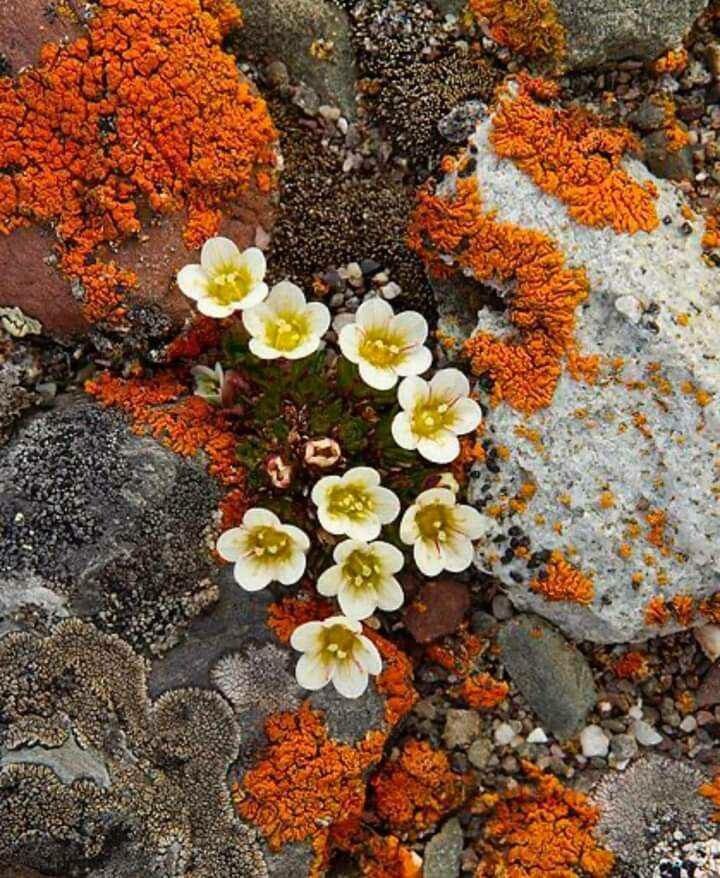
Taming the Tufted Saxifrage: A Guide to Propagating Saxifraga cespitosa
The Saxifraga cespitosa, with its charmingly tufted appearance and starry white flowers, is a delight for any rock garden or alpine enthusiast. But how do you welcome more of these resilient beauties into your life? While commercially available, propagating your own Saxifraga cespitosa is surprisingly achievable and rewarding, offering a deeper connection with this alpine survivor.
This guide will delve into the two most effective methods for propagating Saxifraga cespitosa:
1. Seed Propagation: A Journey of Patience and Reward
- Timing is Key: Begin your Saxifraga cespitosa propagation adventure in late winter or early spring.
- Sowing the Seeds: Use a seed tray filled with a well-draining seed compost mix. Sprinkle the tiny seeds sparsely over the surface and gently press them down, ensuring they have good contact with the compost but aren’t buried.
- Creating the Ideal Environment: Mist the sown seeds with water and cover the tray with a clear plastic lid or cling film to retain moisture and humidity. Place the tray in a cool (around 15-18°C) and bright location, out of direct sunlight.
- Germination Awaits: Be patient! Germination can take anywhere from a few weeks to a couple of months. Once the seedlings are large enough to handle, carefully transplant them into individual pots filled with a free-draining compost mix.
- Gradual Acclimatization: Slowly acclimate the seedlings to outdoor conditions over a week or two before planting them in their permanent positions in late spring or early summer.
2. Division: Multiplying Your Mountain Treasures
Division is a faster and incredibly efficient method for propagating Saxifraga cespitosa:
- The Ideal Time: Spring is the prime time for division, just as new growth emerges.
- Gentle Separation: Carefully lift a mature Saxifraga cespitosa plant from its pot or the ground. Gently tease apart the plant into smaller sections, ensuring each section has a good amount of roots attached.
- Repotting: Plant the divisions into individual pots filled with a well-draining compost mix. Water them thoroughly and place them in a sheltered location until they establish themselves.
- Back to the Garden: Once the divisions show signs of new growth, you can plant them in their permanent positions in the rock garden or alpine trough.
Thriving in their New Home:
Whether you choose seed propagation or division, ensuring your Saxifraga cespitosa thrives requires replicating their natural growing conditions:
- Well-Drained Soil: Opt for a gritty, well-draining compost mix, as these alpine plants are susceptible to root rot in overly moist conditions.
- Sunlight is Key: While Saxifraga cespitosa tolerates some shade, it flourishes in full sun to partial shade conditions.
- Watering Wisely: Water regularly during the growing season, allowing the soil to dry out slightly between waterings. Reduce watering during the winter months.
Propagating your own Saxifraga cespitosa is a rewarding experience, providing an abundance of these captivating alpine plants to embellish your garden spaces. With patience and the right knowledge, you can successfully expand your collection and enjoy the charm of these tufted beauties for years to come.