
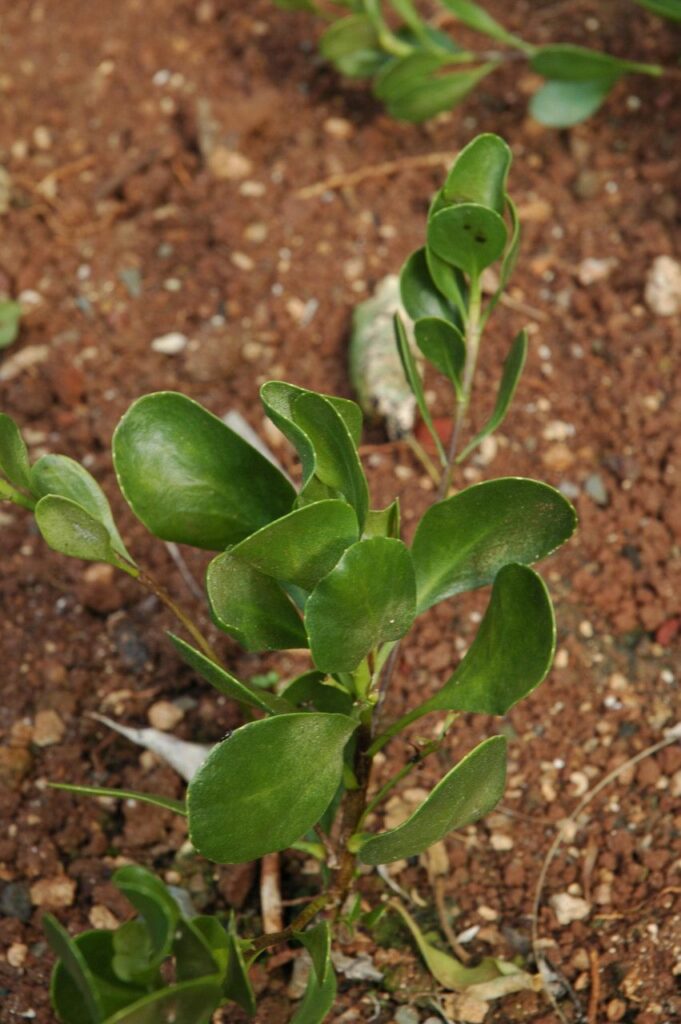
From One Fanflower to Many: Mastering Scaevola Propagation
The fanflower, or Scaevola coriacea, is a gorgeous, low-maintenance plant that brings a splash of color to any garden. Its vibrant, fan-shaped blooms are a welcome sight, and its sturdy, cascading habit makes it a favorite for container plantings and hanging baskets.
But the true beauty of the fanflower lies in its ease of propagation. Whether you want to expand your own garden or share this delightful plant with friends, propagating Scaevola is a rewarding and simple process.
The Power of Cuttings:
The most popular method for propagating Scaevola is through stem cuttings. This technique harnesses the plant’s natural ability to regenerate, allowing you to produce new plants from existing ones.
Here’s a step-by-step guide to success:
- Choose the Right Cuttings: Select healthy, non-flowering stems from your existing Scaevola plant. Aim for stems that are about 4-6 inches long and have at least two sets of leaves.
- Prepare the Stem: Using sharp, sterile scissors or a knife, make a clean cut just below a node (the point where leaves grow). Remove any lower leaves that would be submerged in the rooting medium.
- Rooting Medium: Choose a well-draining rooting medium like perlite, vermiculite, or a mixture of both. You can also use a pre-made seed starting mix.
- Planting: Place the cut end of the stem into the rooting medium and gently firm it in place. Water thoroughly to secure the cuttings.
- Provide Ideal Conditions: Place the cuttings under a clear plastic dome or in a humid environment. This will help to maintain optimal humidity and warmth for successful root development.
- Patience is Key: It generally takes 2-4 weeks for Scaevola cuttings to develop roots. During this time, keep the rooting medium moist but not soggy. Avoid direct sunlight, as this can dry out the cuttings and hinder their progress.
- Transplanting: Once the cuttings have developed strong roots (you can gently tug on them to check), they are ready to be transplanted into individual pots or your desired planting location.
Beyond Cuttings:
While stem cuttings are the most common method, Scaevola can also be propagated through seed. This method requires a bit more patience as seed-grown plants take longer to mature. However, it’s a great option if you want to experiment with different varieties or grow a large number of plants.
Tips for Success:
- Timing is Everything: The best time to propagate Scaevola is during the growing season (spring and summer) when the plant is actively growing.
- Keep it Clean: Use sterile tools and rooting mediums to prevent the spread of diseases and pests.
- Monitor Moisture: Maintain consistent moisture without overwatering.
- Use a Rooting Hormone: Using a rooting hormone can further boost the chances of success, particularly for more challenging cuttings.
The Joy of Propagation:
Propagating Scaevola is a fulfilling hobby that allows you to enjoy the beauty of these vibrant plants year after year. By following these simple instructions, you’ll be able to create a whole new generation of fanflowers, adding a touch of color and joy to your own garden and the gardens of friends and neighbors.