
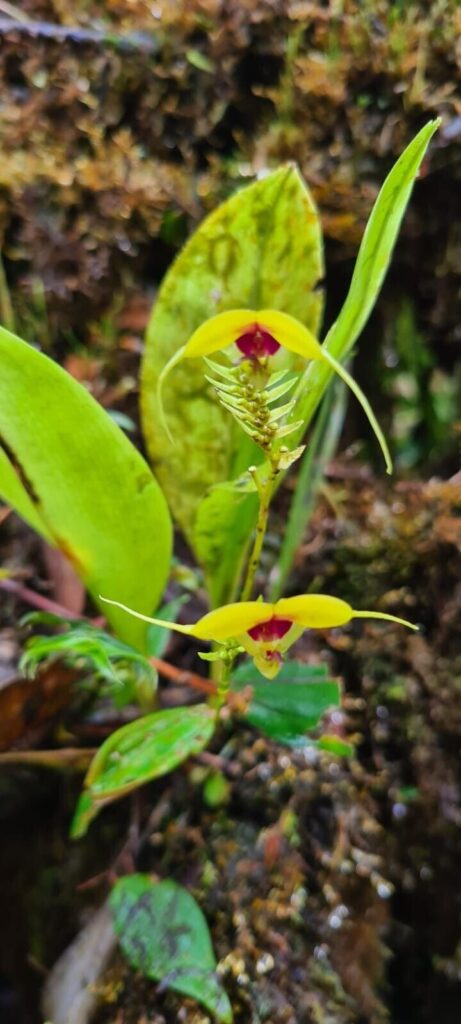
Unveiling the Secrets of Scaphosepalum breve Propagation: From Seed to Orchid Oasis
The enchanting Scaphosepalum breve, with its unique, shoe-shaped blooms, is a coveted orchid among plant enthusiasts. But acquiring this beauty can be tricky. So, what if we told you that you could bring this captivating orchid into your home through the magic of propagation?
While Scaphosepalum breve propagation might sound daunting, it’s actually a rewarding and accessible process. In this blog post, we’ll delve into the intricate world of propagating this fascinating orchid, covering both seed and division methods.
The Seed Method: A Journey of Patience and Precision
For the adventurous soul, seed propagation offers a unique and challenging experience. Here’s the rundown:
- Harvesting Seeds: This step requires careful timing. The seed pods, unlike their vibrant flowers, lack any captivating allure, appearing as dull, green, elongated capsules. As the pod ripens, it turns brown and leathery. When fully ripe, it should crack open, releasing a fine dust of seeds.
- Sterilization: A sterile environment is crucial for success. Sterilize both your workspace and seed-starting medium (such as sterile moss or vermiculite) to eliminate any potential fungal or bacterial infections.
- Sowing Seeds: Using a sterile tool, gently sprinkle the tiny seeds onto the surface of the prepared medium.
- Symbiotic Magic: Scaphosepalum breve seeds, unlike most other seeds, rely on a symbiotic relationship with a specific type of mycorrhizal fungus for germination. This fungus provides the necessary nutrients for the seedlings. Sadly, achieving this fungal symbiosis in home environments is incredibly difficult.
- Patience is Key: If successful, expect germination in a few months to a year, with growth being extremely slow.
The Division Method: Simpler and Faster
For those craving a faster and easier way to expand their Scaphosepalum breve collection, division is the path to explore.
- The Right Time: The ideal time for division is during the orchid’s active growth phase, typically after flowering. This allows for quicker healing and establishment of new plants.
- Careful Separation: Gentle is the name of the game! Use a clean, sharp knife or pair of shears to carefully divide the plant, ensuring each new division has roots and at least one stem.
- Individual Pots: Prepare individual pots with a well-draining potting mix suitable for orchids, like bark, pumice, or charcoal based substrates. Plant each division with its roots spread out, ensuring they are securely anchored.
- Aftercare is Crucial: Maintain a humid environment with indirect sunlight, keeping the potting mix slightly moist. Regular inspections for signs of rot are essential.
Pro Propagation Tips
- Research: Before embarking on the propagation journey, delve into specific care requirements for Scaphosepalum breve, as their cultural needs can vary.
- Use Proper Equipment: Utilize sharp, clean tools for division and sterile equipment for seed propagation.
- Optimal Conditions: Provide a warm, humid, and indirectly lit environment for your new plants. This mimics their natural habitat and promotes growth.
- Patience and Observation: Propagation is a process of observation, adaptation, and learning. Record your progress and adjust your methods as needed for the best outcome.
Expanding Your Orchid Oasis
With patience, passion, and the right techniques, you can successfully propagate your Scaphosepalum breve orchid and enjoy the beauty of these exotic plants in your home. From the intricate world of seed propagation to the simpler division method, there’s an approach that suits every orchid enthusiast. Embrace the challenge, witness the miracle of growth, and let your orchid oasis flourish!