
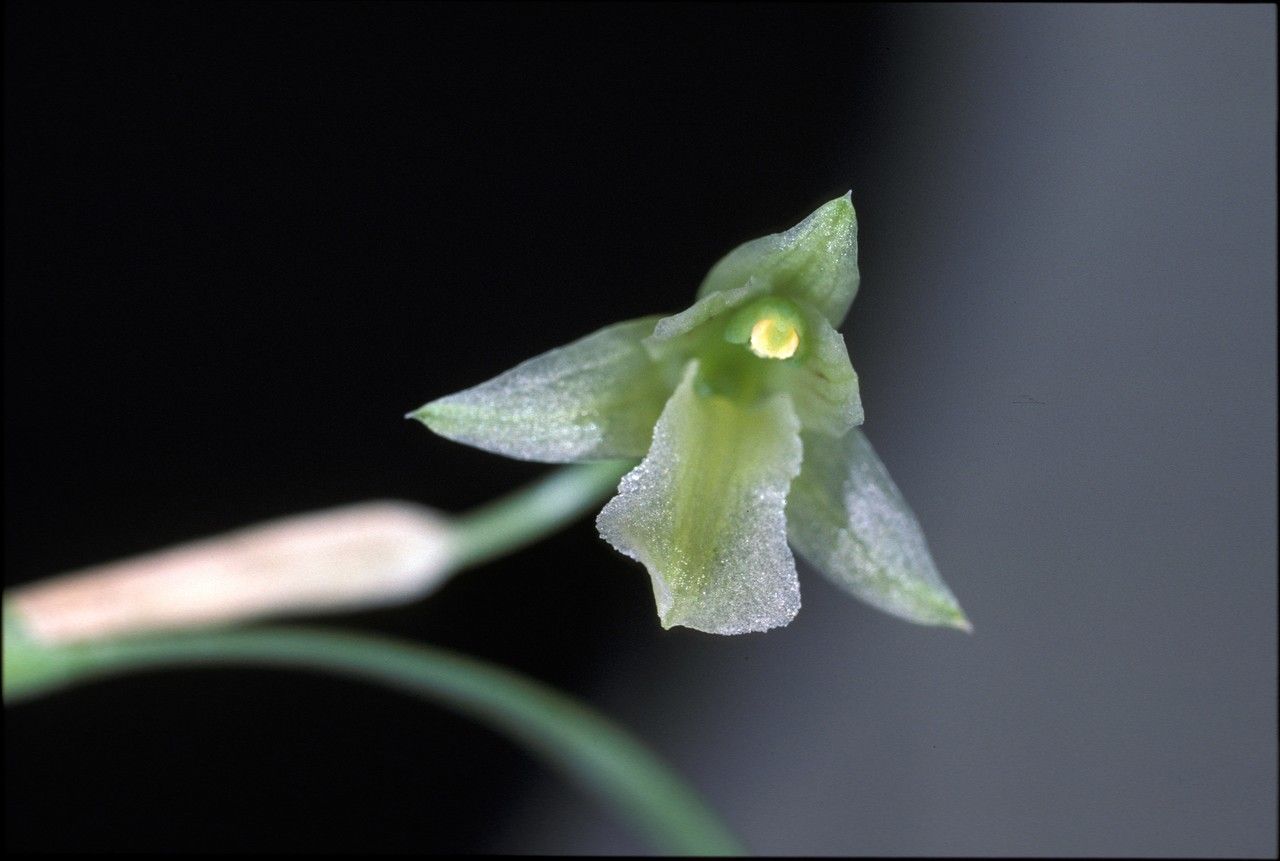
Propagating the Slender Scaphyglottis: A Guide to Cultivating Scaphyglottis fusiformis
Introduction:
Scaphyglottis fusiformis, sometimes referred to as the slender scaphyglottis, is a captivating orchid species prized for its delicate, often pendulous, inflorescences bearing numerous small flowers. These flowers, typically white or pale yellow with subtle markings, are a delightful addition to any orchid collection, whether mounted, potted, or hanging. Its relatively compact size and ease of care (once established) contributes to its growing popularity amongst orchid enthusiasts. However, propagating this elegant orchid presents unique challenges, making successful cultivation all the more rewarding.
Seed Germination:
Currently, there are no known reliable methods for seed germination propagation of Scaphyglottis fusiformis. Orchid seeds, in general, are notoriously difficult to germinate due to their lack of endosperm (nutritive tissue). They require a symbiotic relationship with specific mycorrhizal fungi to germinate successfully, a relationship difficult to replicate outside of a laboratory setting. Therefore, relying on seed germination for this species is not a practical approach for the home cultivator.
Cuttings:
Cuttings are also not a viable method for propagating Scaphyglottis fusiformis. Unlike some other orchids that can be propagated from stem cuttings, this species does not readily root from severed sections. Attempts at vegetative propagation via cuttings generally result in the decay of the cutting, rather than the development of new roots and shoots.
Division:
Division is a potentially viable, albeit limited, propagation method for Scaphyglottis fusiformis. The challenges lie in the fact that this orchid typically grows as a compact clump, limiting the number of divisions possible from a single mature plant. Additionally, the delicate roots can be easily damaged during division, leading to plant loss.
Practical Tips for Division:
- Timing: Divide only mature, well-established plants during the active growing season (spring or early summer).
- Technique: Gently separate the plant into divisions containing multiple pseudobulbs and roots. Ensure each division has a robust root system.
- Aftercare: Pot each division in a well-draining medium, keeping it moist but not waterlogged during the initial establishment period. Avoid direct sunlight until the plant shows signs of new growth.
- Rewards: Division allows for the increase of a valued cultivar without losing any genetic diversity within the plant’s clone.
Challenges: The limited number of divisions per plant and the risk of root damage during separation.
Tissue Culture:
Tissue culture offers the most reliable method for large-scale propagation of Scaphyglottis fusiformis. This sterile laboratory technique allows for the multiplication of plantlets from a small sample of tissue, offering the greatest potential for mass production.
Practical Tips for Tissue Culture: Tissue culture is best left to specialists with the necessary equipment and expertise. Finding a reputable laboratory experienced with orchid propagation is crucial for success.
Rewards: Large-scale propagation, the possibility of disease-free plants, and preservation of valuable genetic material.
Challenges: High initial investment in equipment and expertise, the technical skill involved, and potentially long lead times.
Conclusion:
Propagating Scaphyglottis fusiformis presents clear challenges. While seed germination and stem cuttings are not viable options, division offers a limited but effective method for home cultivators. For large-scale production or for preserving a specific genetic line, tissue culture is the superior method, though it requires specialized skills and resources. The difficulties involved, however, only enhance the satisfaction accrued from successfully cultivating this beautiful orchid. The careful hand that nurses a tiny division or oversees a tissue culture lab’s complex processes will be generously rewarded with a flourishing display of delicate beauty. Don’t let the challenges deter you – the resilience and unique charm of Scaphyglottis fusiformis make the effort profoundly worthwhile.