
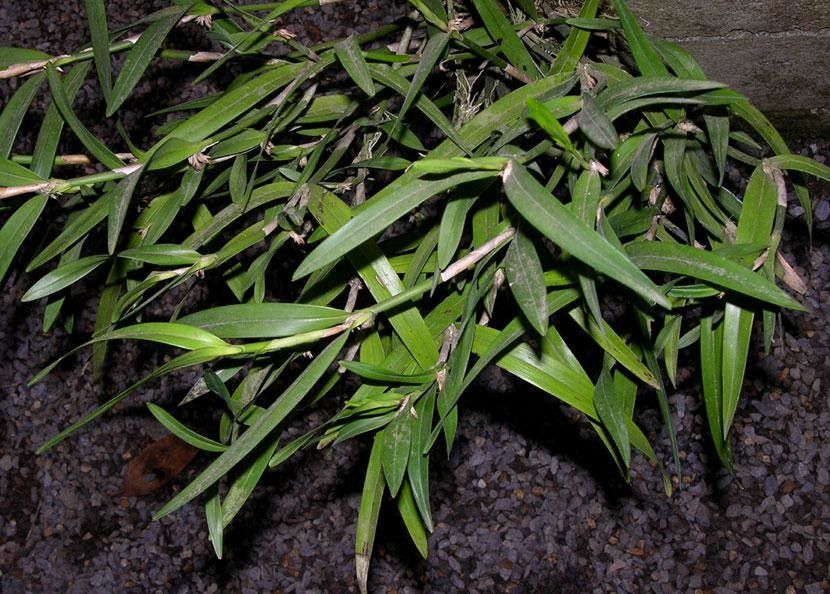
Miniature Marvel Multiplication: Your Guide to Propagating Scaphyglottis minutiflora
The Scaphyglottis minutiflora, with its charming, miniature blooms, is a delightful orchid for both seasoned collectors and curious beginners. But did you know that propagating this fascinating species can be just as rewarding as watching it flower? Let’s demystify the process and unlock the secrets to multiplying your own miniature marvel!
Understanding the Basics
Before we dive into methods, it’s important to understand how the Scaphyglottis minutiflora naturally multiplies. This epiphytic orchid, native to Central and South America, grows new plantlets – also known as “keikis” – along its elongated stems. These keikis are essentially miniature clones, capable of developing their own root systems and eventually becoming independent plants.
Propagation Methods: Choosing Your Adventure
There are two primary ways to propagate your Scaphyglottis minutiflora:
1. Keiki Division:
This is the most common and arguably the easiest method.
- Timing is Key: Wait until the keiki has developed a healthy root system of its own, ideally with roots at least 2-3 inches long. This ensures the new plantlet is self-sufficient.
- Separation Anxiety (for the plant, not you!): Carefully detach the keiki from the mother plant using a sterile, sharp cutting tool. Ensure you’re not damaging the roots of either plant.
- Potting Up: Plant the keiki in a well-draining orchid potting mix, ensuring the base of the plant is level with the potting medium. Water lightly and provide humidity.
2. Back Bulb Propagation:
This method involves utilizing older, leafless sections of the stem, known as “back bulbs.” While slightly more challenging, it’s a great way to potentially generate multiple plants.
- Identify and Section: Choose a healthy back bulb with at least two nodes (small bumps on the stem). Sterilize your cutting tool and carefully cut the stem on either side of the chosen section.
- Creating the Ideal Environment: Place the back bulb section on a bed of damp sphagnum moss, ensuring good airflow. Place in a warm, humid environment, such as a propagation box or under a grow light.
- Patience is a Virtue: Over time, new growth should emerge from the nodes. These can be potted individually once they develop roots.
Post-Propagation Care: Nurturing Success
Regardless of your chosen method, the key to successful propagation is mimicking the Scaphyglottis minutiflora’s natural environment.
- Light: Provide bright, indirect light. Avoid direct sunlight, which can scorch the delicate leaves.
- Water: Keep the potting media consistently moist but not soggy. Allow the top inch to dry out between waterings.
- Humidity: Aim for humidity levels around 60-70%. Regular misting or a pebble tray can help achieve this.
- Fertilizer: Use a diluted orchid fertilizer every other week during the growing season (spring to fall) to provide essential nutrients.
Reap the Rewards
Propagating your Scaphyglottis minutiflora is not only a rewarding experience, but it also allows you to share the beauty of this fascinating species with others. With a little patience and care, you can effortlessly multiply your miniature orchid collection and enjoy a cascade of captivating blooms year after year.