
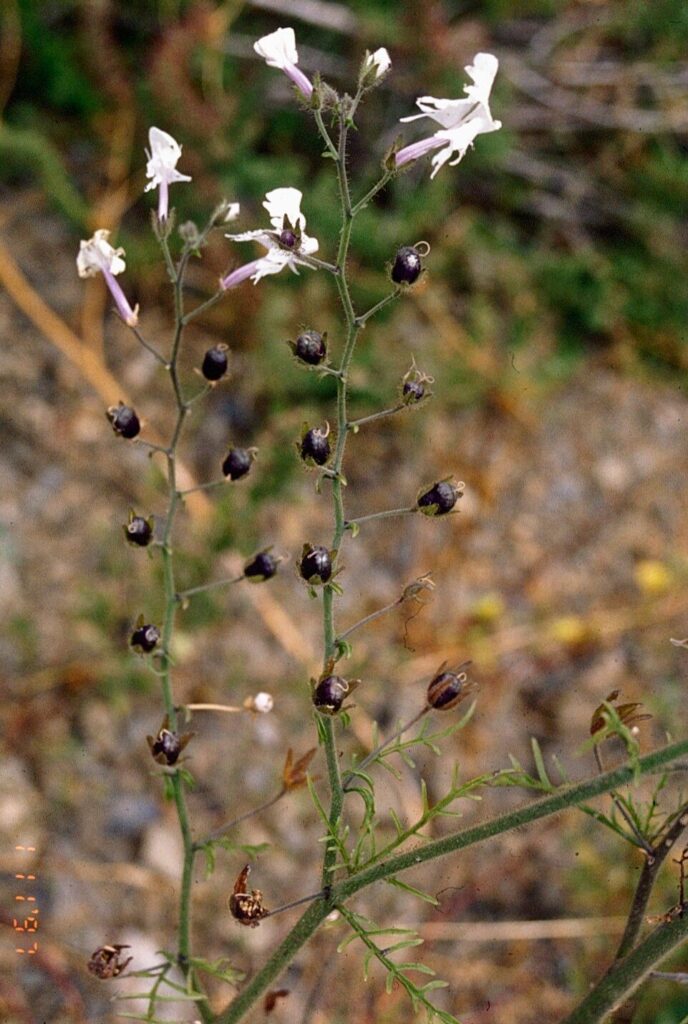
Unveiling the Secrets: How to Propagate the Orchid of the Poor Man (Schizanthus Candidus)
The “Orchid of the Poor Man”, or Schizanthus candidus, is aptly named. This charming annual boasts intricate, orchid-like blooms in a dazzling array of colors, yet remains a surprisingly easy flower to grow and propagate yourself. Whether you’re a seasoned gardener or just starting out, multiplying your Schizanthus collection is a rewarding experience that will flood your garden with vibrant beauty year after year.
Seed Starting: Your Ticket to a Bountiful Bloom
Schizanthus candidus readily produces seeds, making this method the most common and successful way to propagate these beauties. Here’s how to do it:
1. Timing is Everything: Sow your seeds indoors 6-8 weeks before the last expected frost in your region. This ensures the seedlings have enough time to mature before being transplanted outdoors.
2. Prepare the Seedbed: Use a well-draining seed starting mix and fill trays or pots, moistening the mix thoroughly.
3. Sow with Care: Schizanthus seeds are tiny! Sprinkle them sparsely over the surface, as overcrowding can lead to leggy seedlings. Don’t bury them; simply press them gently onto the damp soil surface.
4. Light and Warmth: Place your seed trays in a bright location, out of direct sunlight, maintaining a consistent temperature of 65-70°F (18-21°C). A heat mat can be helpful for maintaining optimal temperatures.
5. Patience is Key: Germination typically takes 10-14 days. Once sprouted, ensure the seedlings receive ample indirect light to prevent them from becoming spindly.
6. Thinning Out the Competition: When the seedlings develop their first true leaves (not the initial seedling leaves), it’s time to thin them out. Select the strongest seedlings and gently separate them, transplanting them into individual pots to allow for proper root development.
7. Hardening Off: Gradually acclimate your Schizanthus seedlings to outdoor conditions about a week before transplanting. Start with short periods outdoors in a sheltered location, gradually increasing their exposure to sunlight and wind.
8. Transplanting Time: Once the danger of frost has passed, choose a sunny or partially shaded location in your garden with well-drained soil. Space your Schizanthus plants 12-18 inches apart to give them room to flourish.
Beyond Seed Starting: Exploring Cuttings (For the Adventurous Gardener)
While not as common as seed propagation, Schizanthus can also be grown from cuttings. This method is slightly more challenging but offers a fun experiment for experienced gardeners:
-
Take Softwood Cuttings: In spring, select healthy, non-flowering stems and cut approximately 3-4 inches in length, just below a leaf node.
-
Prepare the Cuttings: Remove the lower leaves to prevent them from rotting in the rooting medium.
-
Dip and Plant: Dip the cut ends in rooting hormone and plant them in a well-draining rooting mix, like a mixture of perlite and peat moss.
-
Create a Humid Environment: Cover the cuttings with a plastic bag or use a propagation dome to maintain high humidity.
- Patience and Observation: Rooting can take several weeks. Once new growth appears, you can gradually acclimate the cuttings to outdoor conditions before transplanting them.
Reap the Rewards of Your Labor
Whether you choose to start from seed or try your hand at cuttings, propagating your own Schizanthus candidus is a fulfilling experience. With a bit of patience and care, you’ll soon be rewarded with an explosion of color, transforming your garden into a vibrant tapestry worthy of admiration. So, why wait? Start your journey into the world of Schizanthus propagation today, and let these “Orchids of the Poor Man” enrich your life with their captivating beauty.