
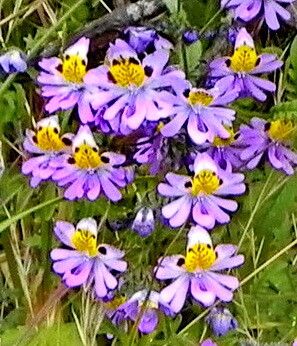
Propagating the Poor Man’s Orchid: A Guide to Schizanthus porrigens
Schizanthus porrigens, commonly known as the poor man’s orchid, is a captivating annual or short-lived perennial belonging to the Solanaceae family. Its delicate, butterfly-like flowers, boasting a fascinating array of colors and intricate markings, make it a beloved choice among gardeners. Its relatively easy cultivation and unique appearance contribute to its popularity, while its short lifespan underscores the importance of effective propagation methods. The inherent variability within the species also makes propagation a pathway to developing unique specimens.
Seed Germination:
Seed germination is a viable and highly rewarding method for propagating Schizanthus porrigens. However, it presents some challenges. The seeds are quite small and require light for germination, meaning they should be sown on the surface of the seed-starting mix, not buried. While stratification (chilling the seeds before sowing) isn’t strictly necessary, it can improve germination rates, particularly in colder climates. Sow seeds in a well-draining seed-starting mix kept consistently moist but not waterlogged. A warm temperature (around 20-24°C) is beneficial.
Challenges: Maintaining consistent moisture without causing damping-off (a fungal disease affecting seedlings) is a key challenge. Overwatering is a common pitfall.
Tips: Use a fine-mesh sieve to evenly distribute seeds. Cover the seed tray with clear plastic to maintain humidity, removing it periodically for ventilation. Consider using a seed-starting mix with added perlite to improve drainage.
Rewards: Seed propagation ensures genetic diversity, allowing for a wide range of color and flower variations in the resulting plants. It’s also the most economical method for large-scale propagation.
Cuttings:
Cuttings are a less reliable method for propagating Schizanthus porrigens. While stem cuttings might root under certain conditions (using rooting hormone and providing high humidity), their success rate is generally lower compared to seed propagation.
Challenges: Schizanthus porrigens cuttings are prone to rotting before rooting. The low success rate makes it an inefficient method for large-scale propagation.
Tips: Use young, semi-hardwood cuttings. Apply a rooting hormone and plant cuttings in a well-draining, well-aerated medium. Maintain high humidity (e.g., using a humidity dome or propagator).
Rewards: Potentially quicker to flower than plants grown from seed, although this is not consistently reliable.
Division:
Division is not a practical method for propagating Schizanthus porrigens. Unlike many perennials, this species doesn’t readily form clumping roots suitable for division.
Tissue Culture:
While technically feasible, tissue culture propagation of Schizanthus porrigens is generally not a practical method for home gardeners due to the specialized equipment, sterile conditions, and expertise required. It’s more suited to commercial propagation or research purposes where large numbers of genetically identical plants are needed.
Challenges: Maintaining sterile conditions and specialized culture media are essential, making it expensive and requiring technical skill.
Tips: This method requires specialized knowledge and equipment; it’s not recommended for the home grower.
Rewards: High propagation rate allowing for the production of large numbers of uniform plants. Useful for commercial purposes or the preservation of rare cultivars.
Conclusion:
Propagating Schizanthus porrigens presents both challenges and rewards. Seed germination offers the most accessible and successful approach for home gardeners, providing the greatest genetic diversity. While cuttings and tissue culture are technically possible, they present significant challenges and are less efficient. The unique beauty of this plant, however, makes the effort worthwhile. The success of nurturing these delicate seedlings from seed, or even striking a cutting, offers a profound sense of accomplishment, underscoring the connection between gardener and plant. Don’t be discouraged by the challenges – experiment, learn from your experiences, and enjoy the journey of bringing these "poor man’s orchids" to vibrant life.